A Membrane Bioreactor (MBR) is an advanced wastewater treatment technology that combines conventional biological treatment (like activated sludge) with membrane filtration. This integration results in superior effluent quality, making it ideal for water reuse, environmentally sensitive discharge zones, and stringent regulatory compliance.
Known for their compact design, high efficiency, and ability to produce crystal-clear, pathogen-free water, MBR systems are increasingly replacing conventional sewage treatment methods in urban and industrial applications.
MBR Technology for improved Wastewater Quality
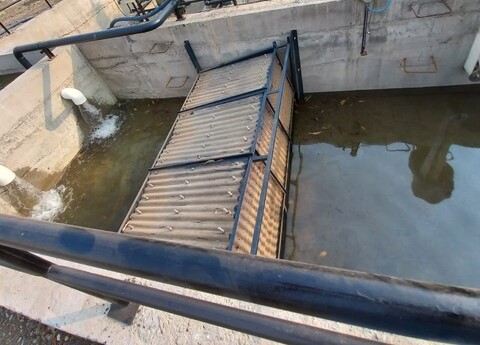
MBRs outperform traditional systems by incorporating microfiltration or ultrafiltration membranes in place of gravity-based settling tanks. These membranes physically separate suspended solids and microorganisms, ensuring:
- • Consistently low turbidity
- • Reduced BOD (Biochemical Oxygen Demand)
- • Pathogen removal, including bacteria and viruses
-
Furthermore, MBRs operate with higher concentrations of Mixed Liquor Suspended Solids (MLSS) in the biological tank. This enhances:
- • Organic matter degradation
- • System resilience to shock loads
- • Treatment capacity within a smaller footprint
-
As a result, MBRs deliver high-quality effluent suitable for non-potable reuse, such as:
- • Landscape irrigation
- • Cooling tower make-up
- • Industrial process water
Advantages of MBR System
MBR technology offers several compelling operational and environmental advantages:
1. Superior Effluent Quality
Membranes remove fine solids, bacteria, and even viruses, producing reuse-grade water and ensuring safe discharge into natural water bodies.
2. Compact Footprint
By eliminating the need for secondary clarifiers and polishing units, MBRs drastically reduce land requirements—ideal for space-constrained urban settings or retrofitting.
3. Higher Organic Load Capacity
With the ability to operate at higher MLSS concentrations, MBRs can treat more concentrated and variable waste streams. This leads to:
- • Greater efficiency
- • Reduced excess sludge generation
-
4. No Secondary Clarifier Needed
Unlike conventional systems that rely on settling tanks, MBRs use membranes to directly separate treated water, eliminating sludge carryover risks and simplifying plant design.
5. Modular and Scalable
MBR systems are modular, allowing easy scaling to meet future demands or fit into existing infrastructure with minimal disruption.
6. Reliable Performance
MBRs provide stable treatment even during flow surges or fluctuating loads, ensuring consistent compliance with discharge norms.
7. Lower Environmental Impact
By producing less excess sludge, MBRs lower:
- • Sludge handling and disposal costs
- • Carbon footprint of the treatment process
Maintenance Requirements of MBR Systems
While MBR systems are highly automated and robust, their efficiency depends on regular and structured maintenance, especially for the membranes. Key tasks include:
1. Membrane Maintenance
- a. Physical Cleaning
- • Air Scouring: Prevents solids buildup on membrane surfaces
- • Backwashing: Reverses flow to clean pores
- • Frequency: Based on fouling rate and operating conditions
-
- b. Chemical Cleaning
- • Maintenance Cleaning: Uses low-concentration chemicals to prevent fouling
- • Recovery Cleaning: Higher-concentration chemicals used when performance drops significantly
- • Always followed by thorough post-cleaning flushing
2. Inspection and Monitoring
- a. Visual Inspection: Regular checks for membrane damage, discoloration, or biofilm growth ensure longevity and prevent inefficiencies.
-
- b. Operational Monitoring: Key parameters to track:
- • Transmembrane Pressure (TMP)
- • Flux rates
- • Dissolved Oxygen (DO)
- • MLSS concentrations
Monitoring these helps identify early signs of fouling and maintain system balance.
MBR sewage treatment plants offer a robust, space-efficient, and high-performance solution for modern wastewater management. With proper maintenance—including scheduled cleaning, inspections, and real-time monitoring—MBRs consistently deliver high-quality, reusable effluent, reduce sludge handling, and minimize environmental impact.
Whether for urban developments, industrial estates, or retrofit upgrades, MBR technology stands out as a smart, sustainable choice for future-ready wastewater treatment.
Frequently Asked Questions(FAQs)
Q.1 How do MBR plants work?
A. MBR plants use a combination of activated sludge and membrane filtration (usually microfiltration or ultrafiltration) to remove organic matter, bacteria, and suspended solids. This results in high-quality, reusable effluent.
Q.2 What are the dangers of pipeline leakage?
A. Pipeline leakage can lead to serious consequences such as water damage, gas explosions, contamination, environmental hazards, and costly repairs. It’s important to address pipeline leakage as soon as it is detected.