India’s dairy industry is one of the largest in the world accounting for over 22% of world production. The demand for dairy is expanding across urban and rural markets alike. But with this growth comes an often-overlooked challenge wastewater treatment.
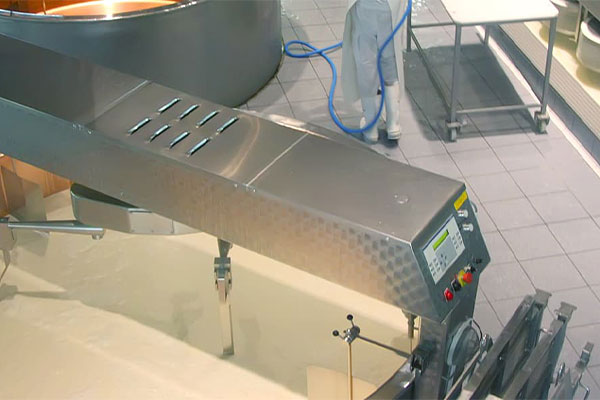
Dairy processing units consume a significant amount of water for cleaning, pasteurization, and product handling. The result is high volumes of dairy effluent, a complex mix of organic matter, fats, cleaning agents, and sometimes pathogens. If left untreated, this wastewater can severely impact local water bodies and soil health, contributing to environmental degradation.
Contaminants in Diary Effluent
Dairy plant effluent is a complex mixture of organic and inorganic pollutants, largely due to the nature of milk processing and the extensive use of cleaning chemicals. Understanding these contaminants is the first step toward effective effluent treatment.
Organic Contaminants: Milk solids, fats, oils, and grease (FOG), Biochemical Oxygen Demand (BOD), Chemical Oxygen Demand (COD) – indicating total oxidizable pollutants and proteins from production areas.
These organic substances are highly biodegradable but can cause oxygen depletion in natural water bodies if discharged untreated.
Inorganic Contaminants: Detergents and sanitizers from Cleaning-in-Place (CIP) systems, along with chlorides and phosphates from chemical cleaning agents, contribute to the inorganic load in dairy effluent. Suspended solids such as fine dust, packaging particles, and salts, along with pH-altering substances, can further disrupt aquatic ecosystems if discharged untreated.
An ideal treatment system must be tailored to handle both categories efficiently, ensuring safe discharge and minimal environmental disruption.
Operational Tips to Ensure Compliant Discharge
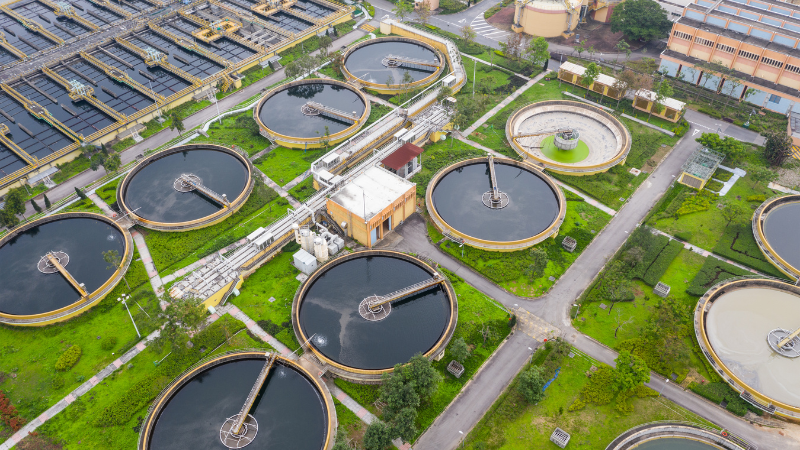
Achieving compliant discharge in a dairy facility is not just about installing an effluent treatment plant—it’s about how efficiently it is operated and maintained. Few operational tips that help ensure the treated effluent meets discharge norms are:
- • Segregate wastewater streams at the source. Separating high-load streams (like whey and milk waste) from general wash water allows for more efficient treatment.
-
- • Maintain pH balance (typically between 6.5 and 8.5) before biological treatment to prevent microbial shock and ensure smooth biological activity.
-
- • Control flow rates to avoid hydraulic overloading and allow for consistent treatment performance.
-
- • Use equalization tanks to stabilize fluctuations in effluent composition and volume.
-
- • Conduct regular sludge removal from primary and secondary clarifiers to avoid solids buildup and process disruption.
-
- • Implement online monitoring systems for key parameters such as BOD, COD, TSS, and pH.
-
- • Train plant operators regularly to handle process variations and troubleshooting.
-
These steps help maintain process efficiency, reduce the risk of non-compliance, and extend the life of the treatment plant.
Sludge From Dairy Effluent
Dairy waste is typically classified into two broad categories: effluent, the liquid wastewater, and sludge, the solid waste generated during treatment. Sludge can further be divided into chemical and biological types, depending on its source and composition.
The sludge from dairy operations contains both degradable organic matter and non-biodegradable solids, making its management critical for environmental safety. Without proper management, this sludge can pose risks such as odor, leachate pollution, and pathogen transmission. However, with the right approach, it can be safely treated, reduced, and even repurposed into valuable by-products like biogas or compost.
Effective Sludge Management
The sludge generated post effluent treatment is further processed before discharge in landfills. If ignored or mismanaged, sludge can become a major source of secondary pollution. However, with the right systems in place, it can be transformed into a usable by-product.
Modern sludge recovery systems can play a pivotal role in closing the loop—automating key processes like thickening, dewatering, and biogas generation. These systems not only reduce waste volume and treatment costs but also support circular economy practices.
A few commonly adopted methods for effective sludge management in dairy processing:
- • Thickening and Dewatering: Sludge is first thickened to reduce its water content and then dewatered using filter presses, centrifuges, or belt presses. This reduces its volume significantly, making it easier to transport or treat further.
-
- • Anaerobic Digestion: Organic-rich sludge can be digested in oxygen-free tanks to produce biogas, which can be used for heating or electricity within the plant—turning waste into energy.
-
- • Composting: Dewatered sludge, if free from chemical residues, can be mixed with organic waste and composted into a nutrient-rich soil conditioner.
-
- • Safe Disposal: Where reuse is unviable, sludge is sent to waste handling or landfill sites in compliance with local regulations.
-
Dairy processing facilities generate substantial volumes of effluent and sludge—both of which demand systematic and compliant management. It is important to choose from a wide range of treatment solutions that align with your operational processes, production scale, and regulatory requirements.
To ensure environmental safety and long-term efficiency, design a treatment system tailored to your facility’s specific needs.
Frequently Asked Questions(FAQs)
Q.1 What are the common methods used for treating dairy industry wastewater?
A. Common methods used for dairy industry wastewater treatment include biological processes (like activated sludge and anaerobic digestion), physicochemical methods (such as coagulation and filtration), and advanced treatments (like membrane filtration and UV disinfection).
Q.2 Which industries require effluent treatment?
A. Effluent treatment is essential for a wide range of industries, including textiles, pharmaceuticals, food and beverage processing, chemicals, dairy, leather tanning, paper and pulp, oil and gas, metal finishing, power plants, and other manufacturing sectors that generate wastewater containing pollutants.