The Overlooked Challenges in Complex Dairy Wastewater Management
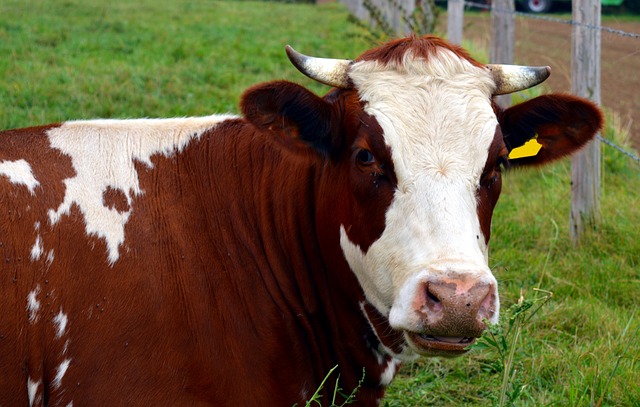
One of the key operational challenges in dairy processing is wastewater treatment. The large volumes of water used for equipment cleaning, CIP (Clean-In-Place) systems, floor washing, and occasional product spillage generate a complex mix of pollutants. Unlike domestic sewage or other industrial effluents, dairy wastewater is characterized by high organic loads, emulsified fats, and fluctuating pH, which demands a specialized approach to treatment.
What are the Contaminants found in Dairy Effluent
Dairy effluent is unique due to the nature of the raw material and cleaning cycles. Its composition changes drastically based on production schedules, cleaning routines, and product spills. Some of the key contaminants include:
- • Biological Oxygen Demand (BOD): 500–3,000 mg/L
- • Chemical Oxygen Demand (COD): 1,000–5,000 mg/L
- • Fats, Oils, and Grease (FOG): up to 500 mg/L
- • Suspended Solids: Includes undissolved curds, protein sludge, and residues
- • Nutrients (Nitrogen and Phosphorus): Contributed by milk and cleaning agents
- • Detergents and Sanitisers: From alkaline and acidic CIP chemicals
- • pH Fluctuations: Due to acidic whey discharge and alkaline cleaning fluids
These pollutants create high variability in both organic and inorganic load, making treatment challenging if not engineered with flexibility and precision.
Why does Dairy Wastewater require Specialized Treatment
Dairy effluent significantly differs from domestic or typical municipal/industrial wastewater in terms of strength, variability, and composition. Below is a comparison:
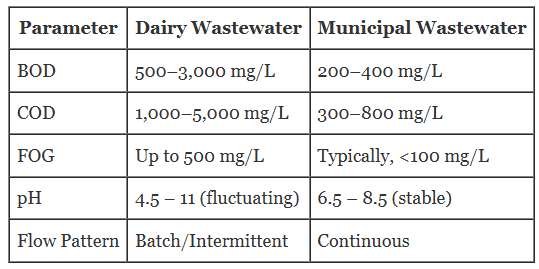
Due to the complex and variable nature, dairy effluents present challenges that cannot be effectively managed with standard treatment systems. These challenges demand tailored, process-specific solutions. Key issues that necessitate specialized systems include:
- 1. High FOG Load: Leads to scum formation, pipe clogging, and poor aeration in biological systems
- 2. Variable pH: Cleaning chemicals cause rapid pH swings that can hinder microbial activity
- 3. Organic Load Surges: Milk product losses and cleaning cycles create shock loads
- 4. Batchwise Discharge: Uneven flow requires load equalization for consistent treatment
- 5. Presence of Strong Detergents: May act as biocides, harming the microbial population in biological reactors
These conditions call for a treatment process that begins with efficient pre-treatment and continues through biological and tertiary stages.
How do Oil-Water Separators Improve Dairy Wastewater Management
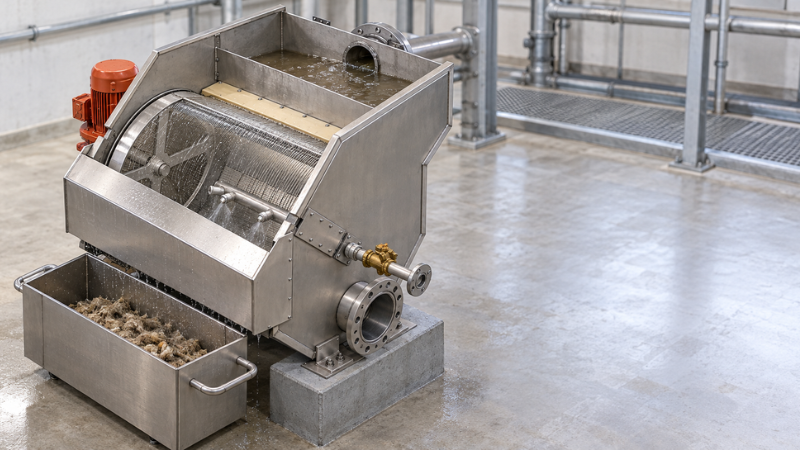
Oil-water separators (OWS) are among the most effective pre-treatment tools in dairy effluent management. They play a crucial role in removing the high concentrations of fats and oils. To understand their contribution better, it is important to know how these systems work and the key benefits they offer.
How Oil-Water Separation Work: Oil-water separators rely on gravity-based separation, where lighter oils and grease float to the surface while heavier solids settle. This step reduces the FOG load significantly before the effluent enters biological treatment units.
In more advanced systems like Dissolved Air Flotation (DAF), microbubbles attach to fine oil droplets and suspended solids, lifting them to the surface for skimming, ensuring lower organic loads.
Benefits of using Oil-Water Separators
- 1. Protect Biological Units: Reduces microbial inhibition caused by excess FOG
- 2. Improves BOD/COD Reduction Efficiency: By eliminating major organic load at source
- 3. Minimizes Sludge Production: Less fat and scum mean easier sludge handling downstream
- 4. Mitigates Maintenance Issues: Avoids clogging in pumps, pipes, and aeration systems
- 5. Stabilizes Flow Quality: Helps achieve predictable output in STPs/ETPs
Common Types of OWS Used in Dairy Processing:
- • Gravity Plate Separators (API): For coarse separation in high-flow environments
- • DAF Units: Highly effective for emulsified oils and small particulate matter
- • Skimmers or Belt Separators: Suitable for smaller plants with limited FOG
Installing OWS systems can reduce downstream BOD by up to 30% and FOG by over 80%, drastically improving the stability of biological treatment.
Having understood the composition of dairy wastewater and the role of the oil-water separator in pre-treatment, let’s explore the typical dairy wastewater treatment process.
Overview of a Dairy Wastewater Treatment Process
The treatment of dairy effluent typically follows a multi-stage process to deal with fluctuating loads and challenging constituents:
- 1. Screening & Grit Removal: To eliminate large solids and debris
- 2. Oil-Water Separation (OWS or DAF): For primary FOG and suspended solids removal
- 3. Equalization Tank: To manage batch flows and balance pH and nutrient loads
- 4. Anaerobic or Aerobic Treatment: Depending on plant size and BOD levels
- 5. Secondary Clarification: For biomass separation
- 6. Tertiary Treatment: Filtration, disinfection, or nutrient polishing
- 7. Sludge Dewatering: For safe disposal or potential biogas recovery
Dairy wastewater demands a tailored integrated treatment strategy, starting with efficient FOG removal. Oil-water separators play a key role at this stage, helping downstream systems operate efficiently by:
• reducing the need for chemical treatment,
• minimizing maintenance and operational disruptions, and
• simplifying sludge management
With the right design and controls, dairy plants can efficiently manage complex dairy wastewater loads while meeting environmental standards. This not only ensures regulatory compliance but also supports long-term sustainability and cost-effective operations.
Frequently Asked Questions(FAQs)
Q.1 What industries require effluent treatment?
A. . Industries such as textiles, chemicals, pharmaceuticals, food processing, paper, tanneries, and manufacturing commonly require effluent treatment systems.
Q.2 How does sludge recovery help in cost savings?
A. By using a sludge recovery system to reduce waste volume and reclaim reusable materials, businesses save on landfill fees, water costs, and raw material expenses.