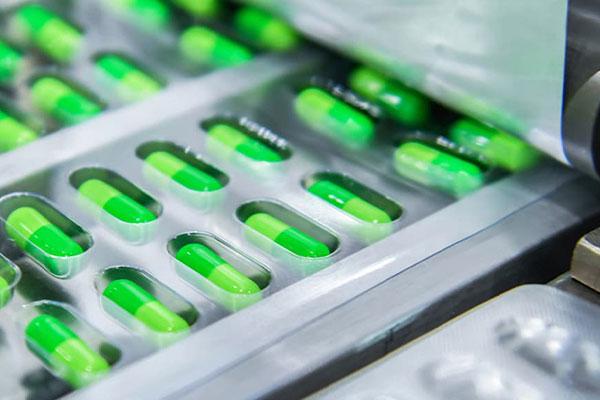
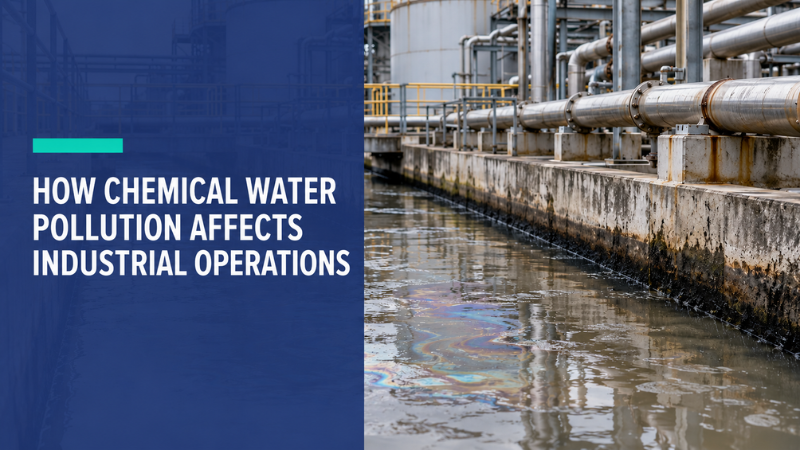
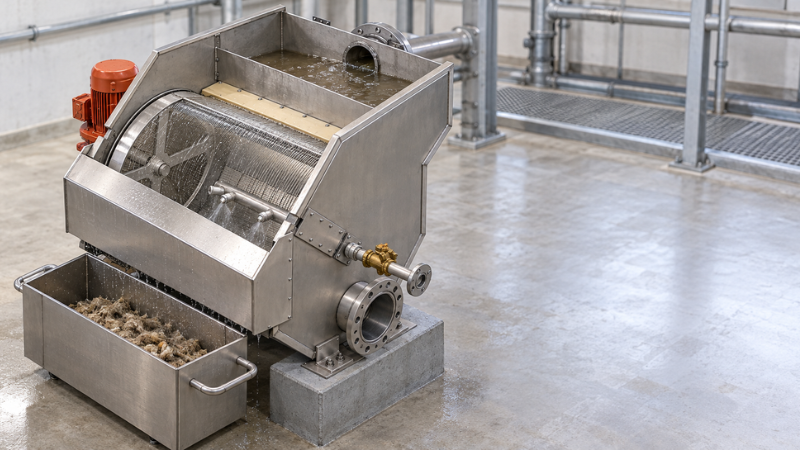
The pharmaceutical industry is a cornerstone of modern healthcare; but behind every life-saving drug lies a hidden environmental challenge: wastewater. As India cements its position as the “pharmacy of the world,” the volume and complexity of pharmaceutical effluents are rising sharply, demanding smarter, sustainable water management solutions.
Why Pharmaceutical Wastewater Requires Specialized Treatment Approaches
During drug manufacturing, which includes fermentation, formulation, synthesis, and washing, wastewater becomes contaminated with solvents, active pharmaceutical ingredients (APIs), intermediates, antibiotics, hormones, and suspended solids. Even at low concentrations, these substances can significantly impact the environment. The wastewater contains a diverse mix of organic and inorganic compounds, many of which are biologically active and resistant to degradation.
Unlike effluents from food, textile, or other industries, pharmaceutical wastewater shows wide fluctuations in pH, chemical oxygen demand (COD), and biological oxygen demand (BOD). Moreover, the presence of antimicrobial compounds can inhibit microbial activity, making biological treatment challenging. This complexity demands multi-stage and specialized treatment processes that ensure complete neutralization of pollutants before discharge or reuse.
How Do Chemical and Biological Treatments Ensure Effective Pharma Wastewater Management
The complexity and variability of pharmaceutical effluents necessitate the use of integrated chemical and biological treatment processes to effectively mitigate pollutants and safeguard environmental quality.
1. Chemical Treatment
First Line of Defence
- • Targets non-biodegradable and toxic compounds that are resistant to biological degradation.
-
- • Common chemical processes include:
- – Coagulation–flocculation to remove suspended solids and colloidal matter.
- – Oxidation using ozone or Fenton’s reagent to break down complex organic molecules.
- – pH neutralization to balance acidic or alkaline effluents for downstream treatment.
-
- • Advanced Oxidation Processes (AOPs) such as photocatalysis, UV/solar irradiation, electrooxidation, wet air oxidation, ultrasound, microwave treatment, and Fenton/photo-Fenton reactions play a critical role in decomposing trace pharmaceuticals into harmless end products like CO₂ and water.
-
- • These AOPs are cost-effective, versatile, and can be integrated with biological treatment systems for enhanced overall efficiency.
-
Once chemical pretreatment neutralizes toxicity, biological processes take over to degrade remaining organic matter.
2. Biological Treatment
Core Process for Biodegradable Pollutants
- • Implemented after chemical treatment once toxicity levels are reduced.
-
- • Relies on microbial activity to degrade biodegradable organic matter under controlled aerobic or anaerobic conditions.
-
- • Common biological systems include:
- – Activated Sludge Processes (ASP): Proven, large-scale method for organic matter removal.
- – Membrane Bioreactors (MBRs): Provide superior effluent quality and compact system design.
- – Sequencing Batch Reactors (SBRs): Offer operational flexibility and efficiency for varying loads.
-
- • Hybrid systems, such as Two-Phase Anaerobic Digestion (TPAD) combined with MBR, or ozonation pre-treatment followed by activated sludge, are increasingly adopted to achieve near-complete pollutant removal.
-
While tertiary and advanced recovery stages like membrane filtration and reverse osmosis are similar to those used in other industries, the unique challenge in pharma wastewater lies in optimizing the chemical and biological stages to handle highly variable and bio-resistant compounds effectively.
Why Investing in Advanced Effluent Systems Makes Business and Environmental Sense
Advanced effluent treatment systems provide pharmaceutical plants with a robust, sustainable, and efficient way to manage complex wastewater. Their benefits extend far beyond regulatory compliance and directly support environmental and operational goals.
Key benefits include:
- 1. Superior treatment efficiency:
Advanced technologies such as membrane bioreactors (MBR), advanced oxidation processes (AOPs), and zero liquid discharge (ZLD) units effectively remove persistent pollutants like antibiotics, solvents, and APIs that conventional systems often miss. -
- 2. Water recovery and reuse:
Treated water can be recycled for non-potable uses such as cooling, cleaning, or utilities—significantly reducing dependence on freshwater sources. -
- 3. Operational reliability:
Automation and real-time monitoring ensure consistent performance, minimize human error, and maintain stability even when wastewater characteristics fluctuate. -
- 4. Cost optimization:
Efficient process control reduces chemical consumption, energy use, and sludge generation, leading to lower long-term operating costs. -
- 5. Regulatory and environmental compliance:
Advanced systems consistently meet stringent discharge standards and help plants stay audit-ready for both local and international regulations. -
- 6. Enhanced sustainability and brand reputation:
Demonstrating responsible wastewater management strengthens corporate image, fosters stakeholder confidence, and supports global sustainability goals. -
In essence, investing in advanced effluent systems enables pharmaceutical manufacturers to achieve higher efficiency, compliance, and environmental safety also, creating long-term value for both the business and the planet.
As the global pharmaceutical sector continues to expand, sustainability cannot remain an afterthought. Effective wastewater management is both a responsibility and an opportunity — to preserve water resources, strengthen compliance, and demonstrate true environmental leadership. Cleaner water, after all, means cleaner growth — for the industry, the environment, and future generations.
Frequently Asked Questions (FAQs)
Q.1 Why is pharmaceutical wastewater considered more complex than other industrial effluents?
A: Pharmaceutical wastewater contains active pharmaceutical ingredients (APIs), antibiotics, solvents, and intermediates that are often bio-resistant and toxic even in low concentrations. The variability in product formulations, batch operations, and chemical synthesis steps leads to wide fluctuations in pH, COD, and biodegradability, making it far more challenging to treat than wastewater from other industries.
Q.2 What are the main wastewater streams in a pharmaceutical or biotechnology industry?
- Pharmaceutical and biotech manufacturing generate multiple wastewater streams depending on the process type and product category. Common sources include:
- • Chemical reaction streams from synthesis and formulation processes.
- • Product wash water and equipment cleaning water.
- • Spent acid and caustic streams from pH adjustment or neutralization operations.
- • Condensed steam from strippers and other thermal processes.
- • Air pollution scrubber blowdowns containing dissolved chemicals.
- • Facility and floor wash water from routine hygiene and maintenance.
These streams typically contain high BOD, COD, total suspended solids (TSS), total dissolved solids (TDS), ammonia, heavy metals, and residual toxicity, making treatment essential before discharge or reuse. -
Q.3 How can treated pharmaceutical wastewater be reused?
A: Treated water, once it meets required quality standards, can be safely reused within the plant. Common reuse applications include:
- • Cooling towers and boilers
- • Equipment and floor washing
- • Gardening and landscaping
- • Utility and process cleaning water
By recycling treated water, pharma plants can reduce freshwater dependency, lower utility costs, and support corporate sustainability commitments.
Q.4 How is oil–water separation handled in pharmaceutical wastewater treatment?
A: Oil–water separation is a crucial yet often overlooked pretreatment step in pharmaceutical wastewater management. It is particularly important for streams generated from formulation, coating, ointment preparation, and equipment washing processes. These wastewater streams often contain emulsified oils, lubricants, and organic solvents that can inhibit biological treatment if not removed early. Common oil–water separation methods include:
- • Gravity Separators: Such as API (American Petroleum Institute) and CPI (Corrugated Plate Interceptor) separators, which rely on density differences to remove free-floating oil.
- • Coalescing Plate Separators: Use inclined or parallel plates to merge small oil droplets into larger ones, improving separation efficiency.
- • Dissolved Air Flotation (DAF): Introduces fine air bubbles to lift emulsified oil and suspended solids to the surface for skimming.
- • Adsorbent Media & Filters: Employ activated carbon, organoclay, or oleophilic filters for polishing treatment before biological stages.
-
Efficient oil–water separation enhances the performance of downstream biological and chemical treatment units, reduces toxicity, and ensures compliance with discharge standards.