The Role of Floating Weir Oil Skimmers in Mitigating Marine Oil Spill Impact

The Role of Floating Weir Oil Skimmers in Mitigating Marine Oil Spill Impact
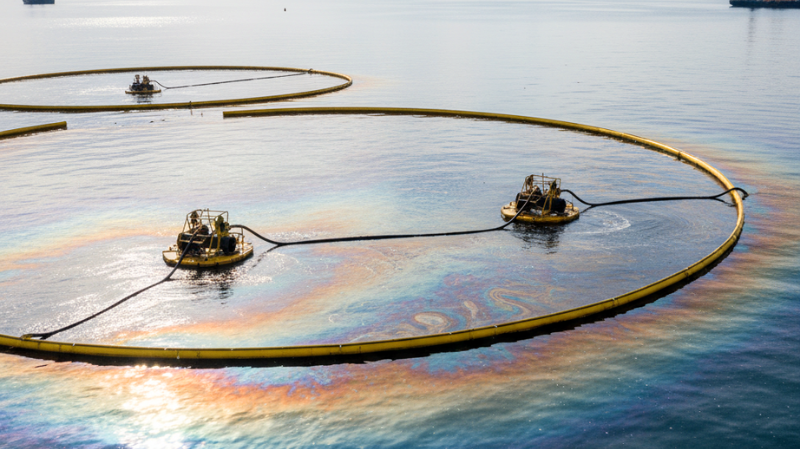
Marine oil spills are critical environmental hazards requiring efficient and reliable recovery solutions. Floating weir oil skimmers have emerged as a preferred technology due to their ability to adapt to varying water conditions and recover oil continuously. This blog explores how floating weir oil skimmers maintain efficiency during marine spills, their suitability for large-scale recovery, and their importance in sustainable spill management.

How Does a Floating Weir Oil Skimmer Maintain Efficiency During Marine Spills?

Floating weir oil skimmers operate on a simple yet effective principle:

  • Buoyant Self-Adjusting Weir: 

    • The skimmer’s design relies on buoyancy and surface tension principles, allowing the weir to float freely and adjust automatically to the fluid surface. 

    • This helps in maintaining optimal operation even in rough water or high wave conditions typical of marine spill scenarios.

  • Oil Separation Efficiency: Minimizes water entrainment for a high oil-to-water ratio during recovery.

  • Collection and Pumping: The oil collected flows over the weir into an oil sump and is pumped out, commonly using submersible or hydraulic pumps powered by diesel or electricity.

  • Debris Protection: 

    • A key to sustained efficiency is preventing debris and water from entering the system. 

    • Floating weir skimmers often incorporate screens or guards to block floating solids or trash, thereby reducing downtime and maintenance.

What Makes a Floating Weir Oil Skimmer Ideal for Large-Scale Oil Recovery?

These skimmers are widely used in marine pollution response due to:

  • Modular, Scalable Design: Can cover expansive spill areas quickly.

  • Versatility with Oil Types: Handles light to medium-weight oil varieties seamlessly without frequent adjustments..

  • Continuous High-Volume Recovery: The continuous operation capability allows for high-volume oil removal rates, essential when dealing with extensive spills.

  • Ease of Deployment & Operation: Rapidly deployed and easily operated by minimal crew, reducing response times during emergencies.

  • Integration with Other Equipment: 

    • Works alongside containment booms and complementary skimmers like belt skimmers. 

    • This interoperability enhances cleanup efficiency by allowing coordinated recovery efforts across different sections of a spill.

  • Durability in Harsh Environments: 

    • Equipped with robust construction materials suited to harsh marine environments, these skimmers provide reliable long-term performance. 

    • Materials like stainless steel, high-density polyethylene floats, and corrosion-resistant hoses ensure durability under demanding conditions.

Why Is the Floating Weir Oil Skimmer Crucial for Sustainable Spill Management?

  • Maximizes Oil Recovery, Minimizes Contamination: 

    • Sustainable spill management emphasizes maximizing oil recovery while minimizing environmental disturbance and resource consumption. 

    • Floating weir oil skimmers help achieve this by recovering oil with minimal water contamination, reducing the volume of wastewater requiring subsequent treatment.

  • Protects Marine Ecosystems: Recovering oil early and effectively limits the spread and persistence of pollutants, protecting marine ecosystems and coastal habitats. 

  • Supports Wastewater Treatment: 

    • By reducing the liquid volume for further treatment, floating weir skimmers support downstream wastewater treatment  processes.

    •  Effective oil-water separation prevents biofouling and damage to filters or membranes in treatment plants, thereby improving treatment longevity and cost-efficiency.

  • Cost-Effective Cleanup: Efficient skimming also lowers cleanup costs associated with extended spill exposure, legal liabilities, and damaged assets.

  • Regulatory Compliance: Incorporating floating weir skimmers into spill response plans aligns with environmental regulations and best practices, demonstrating commitment to environmental stewardship and responsible operations.

Frequently Asked Questions (FAQs)

Frequently Asked Questions (FAQs)

Q.1 How does a floating weir oil skimmer handle different weather conditions during spill response?

A: Floating weir oil skimmers are designed with buoyant, self-adjusting weirs that float independently of the vessel or platform. This design allows them to adapt to rough sea states, high winds, and changing water levels, maintaining continuous oil recovery even in adverse weather conditions. Their resilience ensures maximum oil recovery efficiency regardless of environmental challenges.


Q.2 What are the maintenance requirements for floating weir oil skimmers in long-term spill response scenarios?

A: These skimmers require regular inspection to ensure the weir, floatation components, and pumps are free of debris, corrosion, or damage. Routine cleaning of screens and oil collected in the sump prevents blockages that could reduce effectiveness. The materials used in construction, such as corrosion-resistant metals and plastics, help minimize maintenance needs, making them suitable for prolonged deployment.


Q.3 Can floating weir oil skimmers be integrated with other pollution control and wastewater treatment systems?

A: Yes, they are designed to work in conjunction with containment booms, dispersants, belt oil skimmers and onboard wastewater treatment facilities. Effective integration enables comprehensive spill management, from immediate oil recovery to subsequent water cleaning processes, reducing environmental impact and facilitating compliance with environmental regulations.


Q.4 How environmentally friendly are floating weir oil skimmers?

A: These skimmers are environmentally friendly because they recover oil without the use of chemicals or energy-intensive processes. Their ability to quickly remove oil from the water surface minimizes the spread of pollution, protecting marine ecosystems and coastlines. Additionally, recovered oil can be reused or properly disposed of, reducing waste.