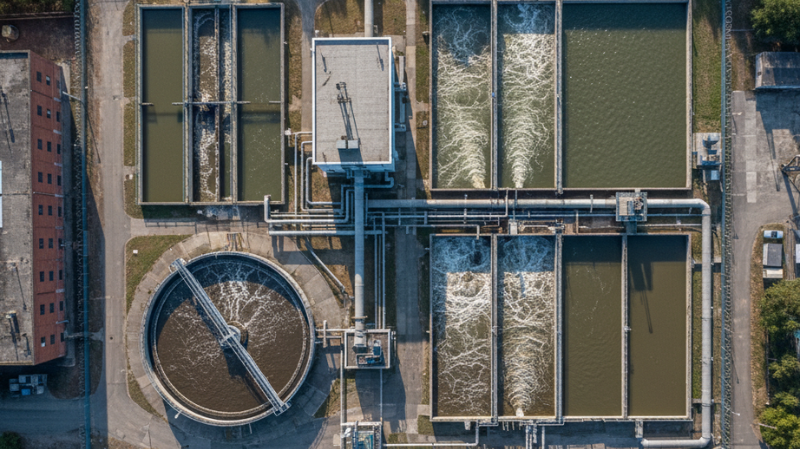
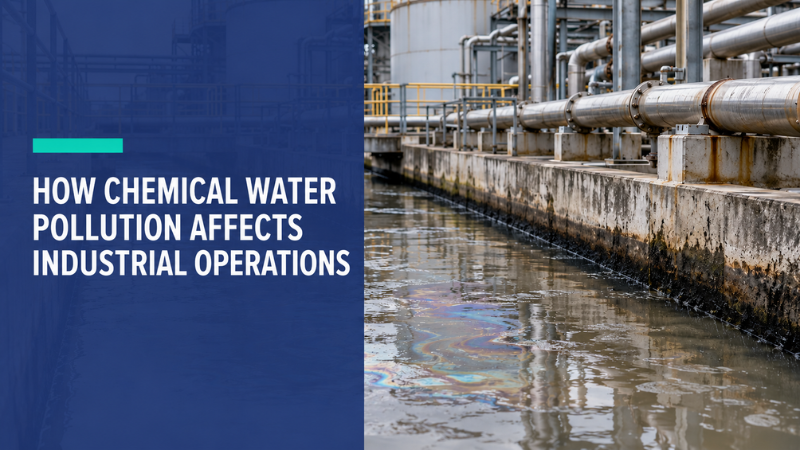
Industrial processes such as oil & gas, food and beverage, power generation, and wastewater treatment often produce oily wastewater that must be treated before discharge. Floating oil layers – whether from tramp oil, FOG (fat, oil, grease), or fuel spills – can clog pipes, damage equipment, and violate discharge standards.
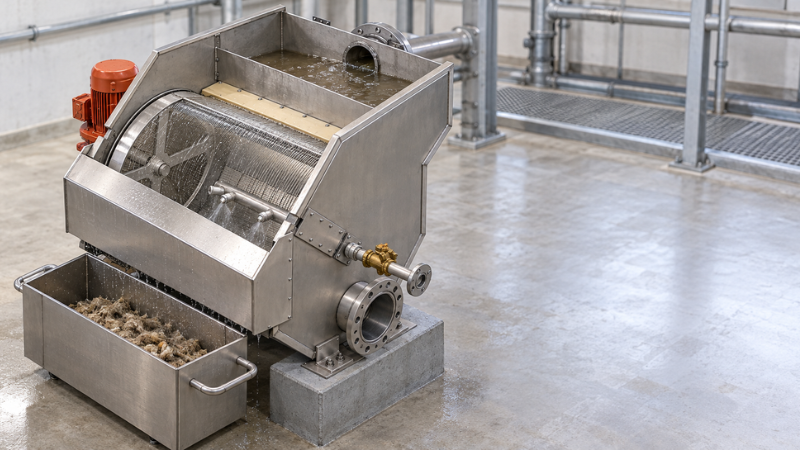
A Drum Oil Skimmer solves these challenges by automatically removing the surface oil before it sinks or spreads. A rotating drum made of oleophilic (oil-attracting) material selectively picks up oil while repelling water. As the drum rotates, a wiper blade scrapes the collected oil into a trough or sump, pumping almost pure oil to storage. This continuous, automatic process makes drum oil skimmers one of the most efficient and dependable solutions for oil-water separation.
Why Are Drum Oil Skimmers Essential For Efficient Oil-Water Separation?
Drum oil skimmers are essential because they ensure continuous and efficient removal of surface oil, allowing downstream separators to operate at their best efficiency. By capturing oil at the surface, they prevent overloading of treatment systems and help maintain consistent water quality.
Key Benefits:
High Oil Recovery Efficiency: Drum skimmers can recover over 90–95% of floating oil, leaving behind minimal water. This high selectivity minimizes the volume of oily water needing further treatment.
Reduced Maintenance and Downtime: By removing oil early in the process, skimmers prevent accumulation that causes clogs, sludge formation, and manual clean-ups.
Lower Operating Costs: Early oil removal reduces the chemical load on treatment systems and cuts disposal costs.
Regulatory Compliance: Efficient skimming helps maintain compliance with environmental discharge standards by consistently reducing oil concentration levels.
Versatility Across Applications: Drum oil skimmers handle a wide variety of oils – from light hydrocarbons to heavy lubricants or grease. With interchangeable drum types (smooth, grooved, or brush-covered), they can adapt to changing process conditions.
In essence, drum oil skimmers play a crucial role in keeping water treatment systems stable, efficient, and environmentally compliant.
How Do Drum Oil Skimmers Solve Common Industrial Oil Recovery Problems?
Every industrial facility faces oil recovery challenges – from thin floating films that evade gravity separators to sludge buildup in storage pits. Drum skimmers solve these issues through automation and high selectivity.
1. Continuous Oil Removal
A rotary drum oil skimmer runs continuously, removing oil as soon as it surfaces. This eliminates the need for manual intervention or sinking into the system.
2. Minimal Water Carryover
Thanks to their oleophilic surfaces, drum skimmers often collect 90-95% oil with only a trace of water. This purity makes recovered oil reusable or easier to dispose of responsibly.
3. Preventing Downstream Fouling
Removing oil early prevents heavy sludge formation and fouling in coalescing filters, pumps, and pipelines. This extends the lifespan of downstream equipment and reduces unplanned maintenance.
4. Handling Diverse Oil Types
Industrial oils vary widely in viscosity. For heavier oils, a brush skimmer – where the drum surface is fitted with bristles – enhances oil pickup efficiency. Lighter oils are best recovered using smooth or grooved drums. This adaptability ensures reliable oil recovery in varied industrial environments.
5. Reliability in Harsh Conditions
Drum skimmers are built to withstand challenging industrial conditions such as fluctuating temperatures and corrosive environments.
By providing continuous, automated, and selective oil recovery, drum oil skimmers eliminate the most common inefficiencies in industrial wastewater management.
What Makes Drum Oil Skimmers The Best Solution For Oil Contamination Issues?
When compared to other oil removal methods like weir skimmers, vacuum systems, or chemical separation, drum skimmers stand out for their combination of performance, reliability, and simplicity.
1. High Selectivity
The oleophilic drum surface captures only oil, leaving behind clean water. This selectivity drastically reduces waste volume and makes the process both efficient and eco-friendly.
2. Industry-Leading Efficiency
Drum oil skimmers are among the most efficient oil recovery systems available. Grooved and brush-type drums can capture oil at higher rates and with greater purity than traditional designs, improving recovery even in thin oil films.
3. Proven Technology
With decades of use in industrial and environmental applications, drum skimmers have established a reputation for durability and consistency. They can operate for thousands of hours with minimal maintenance, even in corrosive or abrasive conditions.
4. Flexible Configurations
Available in multiple sizes and materials, rotary drum oil skimmers can be powered electrically, hydraulically, or pneumatically. This allows seamless integration into any process – from small collection tanks to large separation basins.
5. Sustainability and Cost Savings
By converting oily waste into reusable oil, drum skimmers contribute to both economic and environmental sustainability. The recovered oil can be reused as process fuel or sold for recycling, reducing waste disposal costs.
6. Widely Used Across Industries
Drum oil skimmers are used across sectors such as:
Oil & Gas and Petrochemicals
Power and Steel Plants
Food & Beverage and Dairy Processing
Marine, Mining, and Automotive Industries
Municipal and Industrial Wastewater Treatment
In all these industries, drum skimmers have proven to be a long-term, reliable solution for controlling oil contamination.
Conclusion
A Drum Oil Skimmer is not just a component – it’s a cornerstone of efficient, sustainable oil-water separation. By continuously recovering floating oil, it prevents contamination, improves treatment efficiency, and supports environmental compliance.
For industries striving toward greener, more efficient operations, investing in the right oil skimming technology ensures both operational and ecological success.
Frequently Asked Questions (FAQs)
Q1. What is a drum oil skimmer used for?
A: A drum oil skimmer is used to remove floating oil, grease, or hydrocarbons from the surface of water in industrial or wastewater applications. It helps prevent contamination, reduces maintenance, and supports compliance with environmental standards.
Q2. Why are drum oil skimmers essential for efficient oil-water separation?
A: They continuously remove oil before it reaches critical concentrations, maintaining system efficiency and minimizing downstream treatment loads.
Q3. How do drum oil skimmers solve common industrial oil recovery problems?
A: They automate oil removal, prevent sludge buildup, and recover oil with minimal water carryover.
Q4. What industries use drum oil skimmers?
A: Industries such as Oil & Gas, Power, Steel, Marine, Mining, Automotive, and Municipal Wastewater Treatment use drum skimmers for reliable oil recovery.
Q5. What makes drum oil skimmers the best solution for oil contamination?
A: Their efficiency, selectivity, durability, and adaptability make them superior to conventional oil removal methods, ensuring long-term, cost-effective performance.
Q6. What is the difference between a brush skimmer and a rotary drum oil skimmer?
A: A brush skimmer uses rotating bristles to agitate and separate oil from water, excelling at handling accumulated oil layers. A rotary drum oil skimmer features a solid oleophilic drum surface that collects oil continuously. Both are effective; choice depends on oil type and facility requirements.
Q7. What types of oils can drum oil skimmers handle?
A: Drum oil skimmers effectively separate mineral oils, synthetic oils, hydraulic fluids, coolants, and light crude oils.