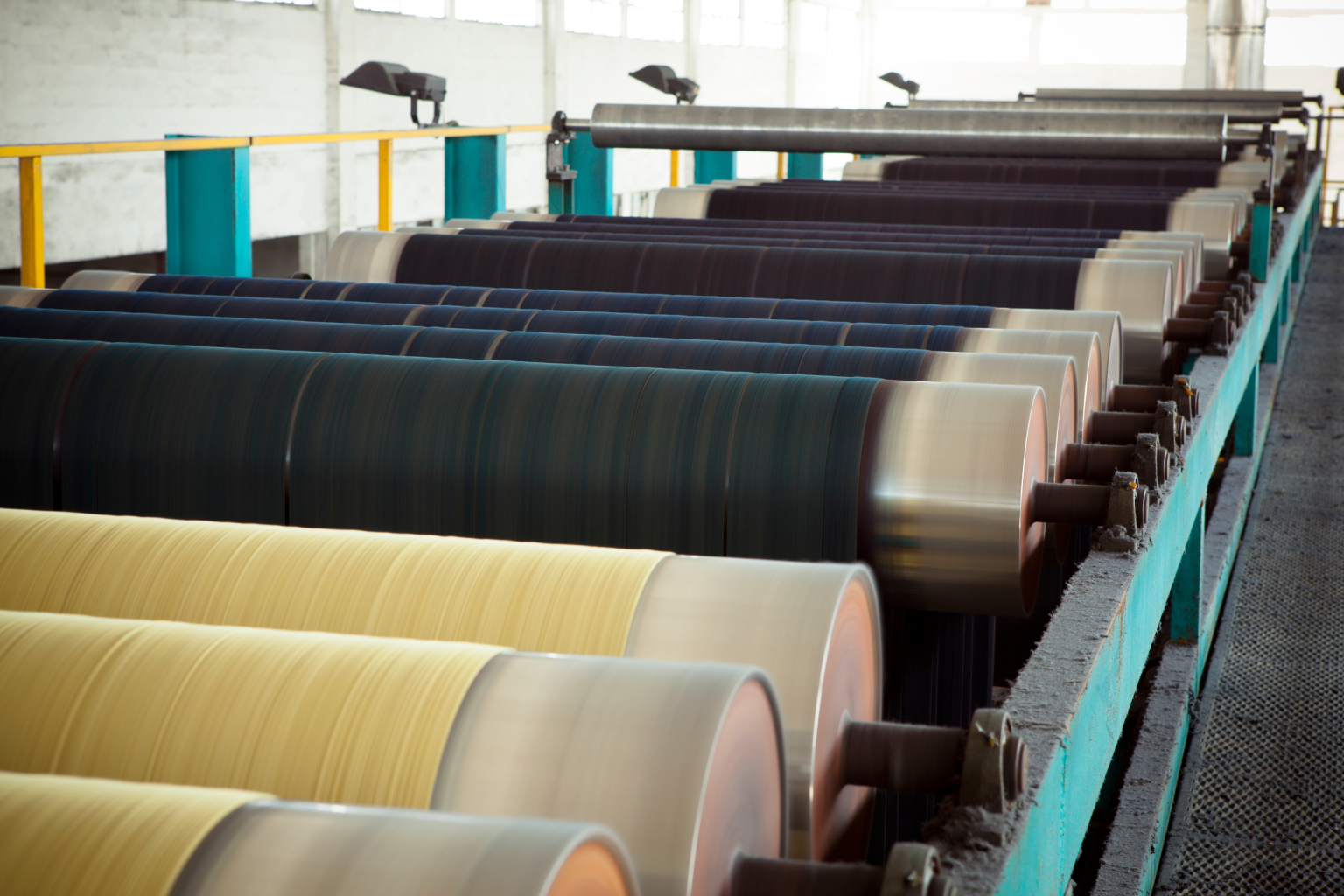
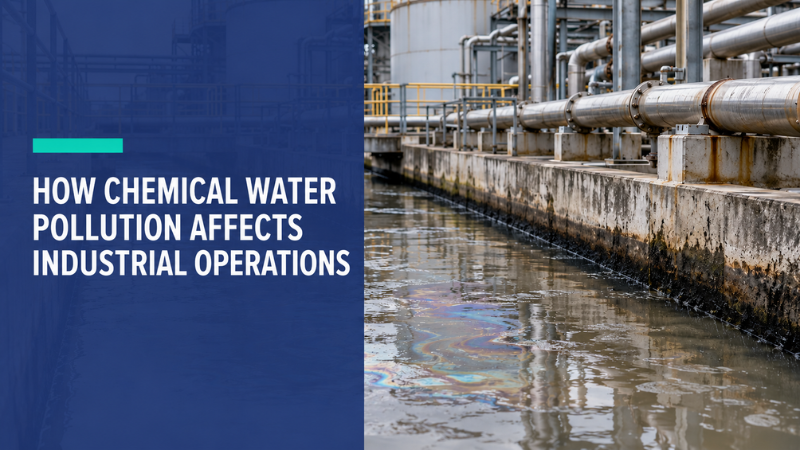
The textile industry is one of the largest consumers of wastewater and water worldwide, and also one of the biggest contributors to industrial water pollution if effluents aren’t treated correctly. From dyeing and printing to washing and finishing, every stage generates complex wastewater loaded with color, chemicals, and organic pollutants.
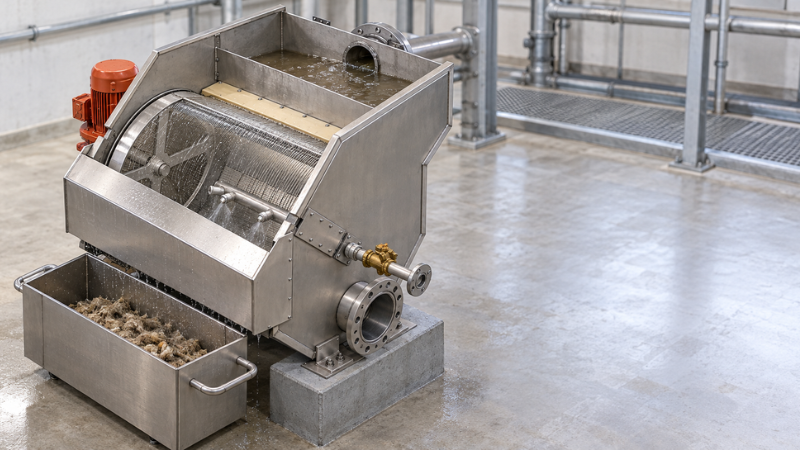
Without proper textile industry effluent treatment, these discharges contaminate rivers, harm aquatic life, and disrupt downstream water use for agriculture and communities. The fix? A well-designed, multi-stage effluent treatment system that combines physical, chemical, and biological processes – done right, not half-baked.
Let’s break this down.
What Pollutants Are Found In Textile Dyeing And Processing Effluent?
Understanding what pollutants are found in textile dyeing and processing effluent? is step one in designing an effective treatment system.
Textile wastewater is not “dirty water.” It’s a chemical cocktail.
Key Pollutants Commonly Present
Textile dyeing and processing effluents typically contain:
Suspended solids (TSS)
Fibers, lint, and particulate matter.
Cause turbidity and sludge accumulation.
Salts and high TDS
Sodium chloride, sodium sulfate from dye fixation.
Makes water reuse difficult and harms soil if discharged untreated.
Environmental Impact If Untreated
When these pollutants enter natural water bodies:
Aquatic life suffers due to oxygen depletion
Colored effluents reduce photosynthesis
Toxic compounds bioaccumulate in the food chain
Water becomes unfit for irrigation and reuse
This is exactly why wastewater treatment for textiles isn’t optional, it’s non-negotiable.
Why Is Biological Treatment Important For Textile Wastewater?
A common question in effluent design is why is biological treatment important for textile wastewater? Short answer: because chemistry alone won’t save you.
Role of Biological Treatment
Biological treatment uses microorganisms to break down organic pollutants into simpler, non-harmful compounds.
It is especially critical for:
Reducing BOD and biodegradable COD
Stabilizing wastewater before tertiary treatment
Lowering operational costs compared to purely chemical methods
Common Biological Treatment Processes Used
In textile effluent treatment plants (ETPs), the following are widely used:
Why Biology Matters (Even With Harsh Chemicals Present)
You might think textile wastewater is too toxic for biology—but modern systems prove otherwise.
Biological treatment:
Converts dissolved organics that chemicals can’t remove
Reduces sludge generation long-term
Improves efficiency of downstream color removal processes
Enables partial water reuse, reducing freshwater demand
In sustainable textile industry effluent treatment, biological systems are the backbone – not an afterthought.
How Can Industries Reduce COD And Color Levels Effectively?
Now to the million-dollar question: how can industries reduce COD and color levels effectively?
Spoiler: there’s no single silver bullet. It’s all about a treatment train approach.
Step-by-Step Strategy for COD & Color Reduction
1. Primary Treatment – Load Reduction
Before advanced treatment, industries must reduce the initial shock load.
Screening and grit removal
Equalization tanks for flow and pH stabilization
Oil and grease removal where applicable
This protects downstream systems from overload.
2. Chemical Treatment – Color & Suspended Solids Removal
Chemical processes play a major role in decolorization:
Coagulation-flocculation
Alum, ferric salts, or polymers
Removes suspended solids and partial color
This stage can remove:
3. Biological Treatment – COD Reduction
This is where COD takes a real hit.
Aerobic biological systems break down dissolved organics
Proper oxygen control improves efficiency
Nutrient balancing (N & P) enhances microbial activity
Well-operated systems can achieve:
85–95% BOD removal
60–75% COD reduction
4. Tertiary & Advanced Treatment – Polishing Stage
For strict discharge norms or reuse:
Advanced oxidation processes (AOPs)
Activated carbon filtration
Ozonation
Membrane systems (UF / RO)
These target:
Residual color
Recalcitrant COD
Trace toxic compounds
This is where treated wastewater and water becomes reusable for non-potable or even process applications.
Real-World Industry Insight
Textile units that combine:
Consistently meet:
That’s not theory – that’s proven plant performance.
Integrated Approach to Textile Industry Effluent Treatment
Effective textile industry effluent treatment is not about installing random equipment. It’s about system engineering.
A sustainable ETP design focuses on:
Load balancing
Process compatibility
Energy efficiency
Sludge minimization
Long-term compliance
When done correctly, treatment systems:
For more on integrated systems, explore textile industry effluent treatment and related wastewater treatment solutions at wastewater treatment.
Conclusion
The textile industry doesn’t have a pollution problem, it has a treatment design problem when systems are poorly planned or under-operated.
By understanding:
What pollutants are found in textile dyeing and processing effluent
Why biological treatment is important for textile wastewater
How industries can reduce COD and color levels effectively
Industries can move from compliance-driven treatment to sustainability-driven water management.
Smart effluent treatment isn’t just good engineering, it’s responsible industrial growth.
Frequently Asked Questions(FAQs)
Q1. What pollutants are found in textile dyeing and processing effluent?
A: Textile effluents contain synthetic dyes, high COD and BOD, suspended solids, salts, and toxic chemicals. These pollutants cause severe water pollution if discharged untreated into natural water bodies.
Q2. Why is biological treatment important for textile wastewater?
A: Biological treatment is essential because it removes dissolved organic pollutants that chemical treatment alone cannot. It significantly reduces BOD and COD while supporting sustainable wastewater management.
Q3. How can industries reduce COD and color levels effectively?
A: Industries can reduce COD and color through a combination of chemical coagulation, biological treatment, and tertiary processes like filtration or oxidation. An integrated treatment approach delivers the best results.
Q4. Can treated textile wastewater be reused?
A: Yes, with proper tertiary treatment, textile wastewater can be reused for cooling, washing, or other non-potable applications, reducing freshwater consumption.
Q5. Is textile effluent treatment mandatory in India?
A: Yes, regulatory authorities mandate effluent treatment for textile units to meet discharge norms and protect surface and groundwater resources.