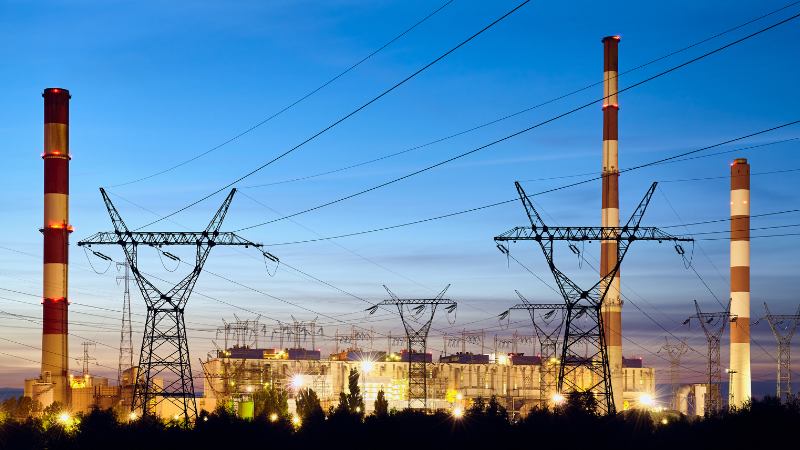
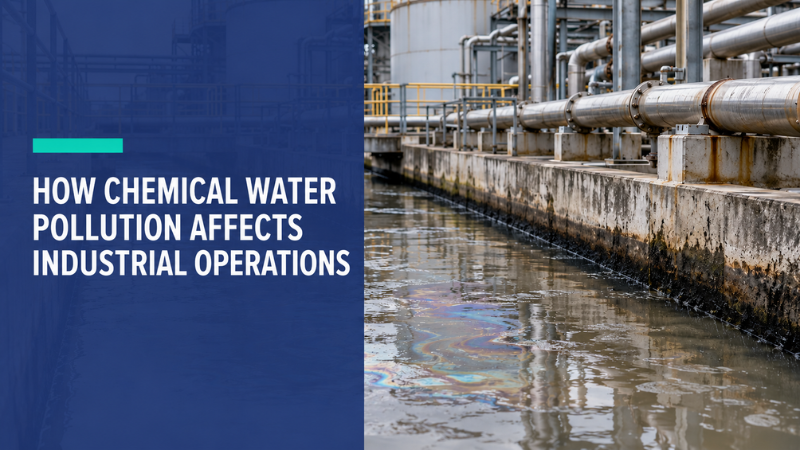
Water plays a central role in power generation, supporting processes such as cooling, steam generation, and auxiliary operations. However, these processes also generate significant volumes of wastewater that must be managed responsibly. Effective water treatment for power plants is essential to ensure operational efficiency, regulatory compliance, and environmental sustainability.
With increasingly stringent discharge norms and growing pressure on water resources, power plants must adopt robust treatment systems that address both performance and compliance requirements.
What Types Of Wastewater Do Thermal And Nuclear Power Plants Generate?
Understanding what types of wastewater do thermal and nuclear power plants generate is fundamental to selecting appropriate treatment technologies. Power plants typically produce multiple wastewater streams, each with distinct characteristics.
Cooling Tower Blowdown
Cooling systems concentrate dissolved solids during operation. To control scaling and corrosion, excess water is discharged as blowdown, containing:
Without treatment, this discharge can negatively impact receiving water bodies.
Boiler Blowdown
Boiler blowdown removes impurities that accumulate during steam generation. This wastewater commonly contains:
Precise treatment is required to meet discharge or reuse standards.
Oily Wastewater
Oily wastewater is generated from:
Turbine lubrication systems
Generator cooling equipment
Maintenance and service areas
These streams often contain oil, grease, and hydrocarbons that must be removed before further treatment or discharge.
Floor Wash and Stormwater Runoff
Wash water from plant floors, fuel handling zones, and equipment yards may contain:
Oil residues
Particulate matter
Trace chemicals
This wastewater requires effective primary treatment to prevent environmental contamination.
Nuclear Power Plant Wastewater
In nuclear facilities, wastewater management includes:
These streams are handled under strict regulatory oversight, with comprehensive monitoring and treatment protocols.
How Do Oil-Water Separators Help In Power Plant Effluent Systems?
A key question for plant operators is how do oil-water separators help in power plant effluent systems? These systems play a critical role in managing oily wastewater and safeguarding downstream treatment processes.
Role of Oil-Water Separators
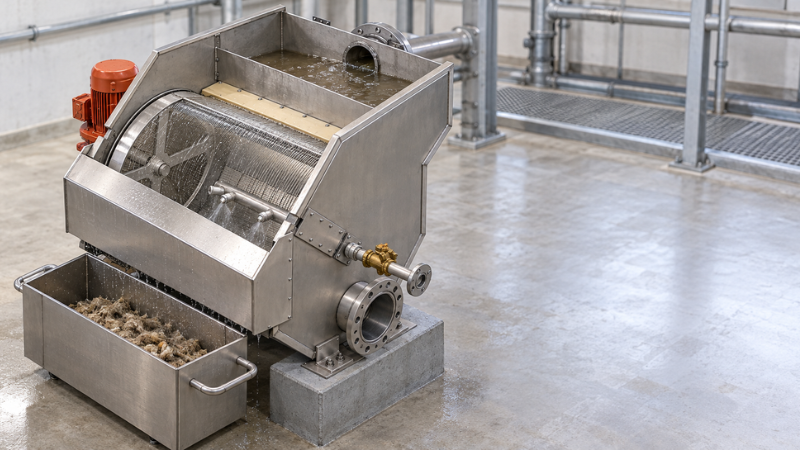
Oil-water separators are designed to remove free and dispersed oil from wastewater using:
They significantly reduce oil and grease concentrations before secondary or tertiary treatment.
Applications Within Power Plants
Oil-water separators are commonly installed in:
They are particularly important for managing accidental leaks and chemical spills that may occur during routine operations.
In power plants with shared infrastructure or fuel handling systems, these separators also align with broader oil and gas solutions by ensuring safe handling of hydrocarbon-contaminated wastewater and preventing cross-contamination across process units.
Operational Benefits
Improved compliance with oil and grease discharge limits
Protection of biological and membrane-based treatment systems
Reduced maintenance and downtime
Enhanced overall plant environmental performance
When properly designed and maintained, oil-water separators contribute to the stability and reliability of the entire effluent treatment system.
Why Should Power Plants Upgrade To High-Performance Treatment Solutions?
With evolving environmental regulations and increasing operational demands, many facilities are evaluating why should power plants upgrade to high-performance treatment solutions? The reasons are both technical and strategic.
Regulatory Compliance
Discharge standards for parameters such as oil and grease, heavy metals, COD, and TDS continue to become more stringent. Advanced treatment systems provide consistent performance and reduce the risk of non-compliance.
Water Conservation and Reuse
Water scarcity has made reuse and recycling essential. High-performance systems support:
Cooling tower blowdown reuse
Boiler feedwater recovery
Zero Liquid Discharge (ZLD) initiatives
This reduces dependence on freshwater sources and supports sustainability goals.
Operational Efficiency
Modern treatment solutions offer:
Lower chemical consumption
Reduced sludge generation
Improved system reliability
These advantages contribute to reduced operating costs and improved plant availability.
Automation and Monitoring
Advanced systems integrate:
Online monitoring instruments
Automated chemical dosing
Centralized control and reporting
This ensures consistent treatment performance and provides traceable data for audits and inspections.
Integrated Treatment Strategies For Power Plants
Effective wastewater management in power plants requires an integrated approach. A typical treatment system may include:
Oil-water separators for primary oil removal
Chemical treatment units for neutralization and precipitation
Clarifiers or dissolved air flotation systems
Filtration and polishing units
Sludge handling and dewatering systems
Each stage is designed to complement the next, ensuring reliable treatment across varying load conditions.
Conclusion
Reliable water treatment for power plants is essential for maintaining operational efficiency, achieving regulatory compliance, and meeting long-term sustainability objectives. By understanding wastewater sources, deploying oil-water separators, and upgrading to high-performance treatment solutions, power plants can ensure responsible water management while supporting uninterrupted power generation.
Frequently Asked Questions(FAQs)
Q1. What types of wastewater do thermal and nuclear power plants generate?
A: Thermal and nuclear power plants generate cooling tower blowdown, boiler blowdown, oily wastewater, floor wash runoff, and, in nuclear facilities, low-level radioactive wastewater requiring specialized treatment.
Q2. How do oil-water separators help in power plant effluent systems?
A: Oil-water separators remove oil and grease from wastewater, protect downstream treatment units, and help ensure compliance with environmental discharge standards.
Q3. Why should power plants upgrade to high-performance treatment solutions?
A: Upgraded systems improve regulatory compliance, enhance water reuse, reduce operational costs, and support automation-driven efficiency.
Q4. Are oil-water separators required in power plants?
A: Oil-water separators are essential wherever oily wastewater is generated, particularly near turbines, generators, and fuel handling systems.
Q5. Can treated wastewater be reused in power plants?
A: Yes, treated wastewater can often be reused for cooling, auxiliary processes, or ash handling, reducing freshwater consumption.