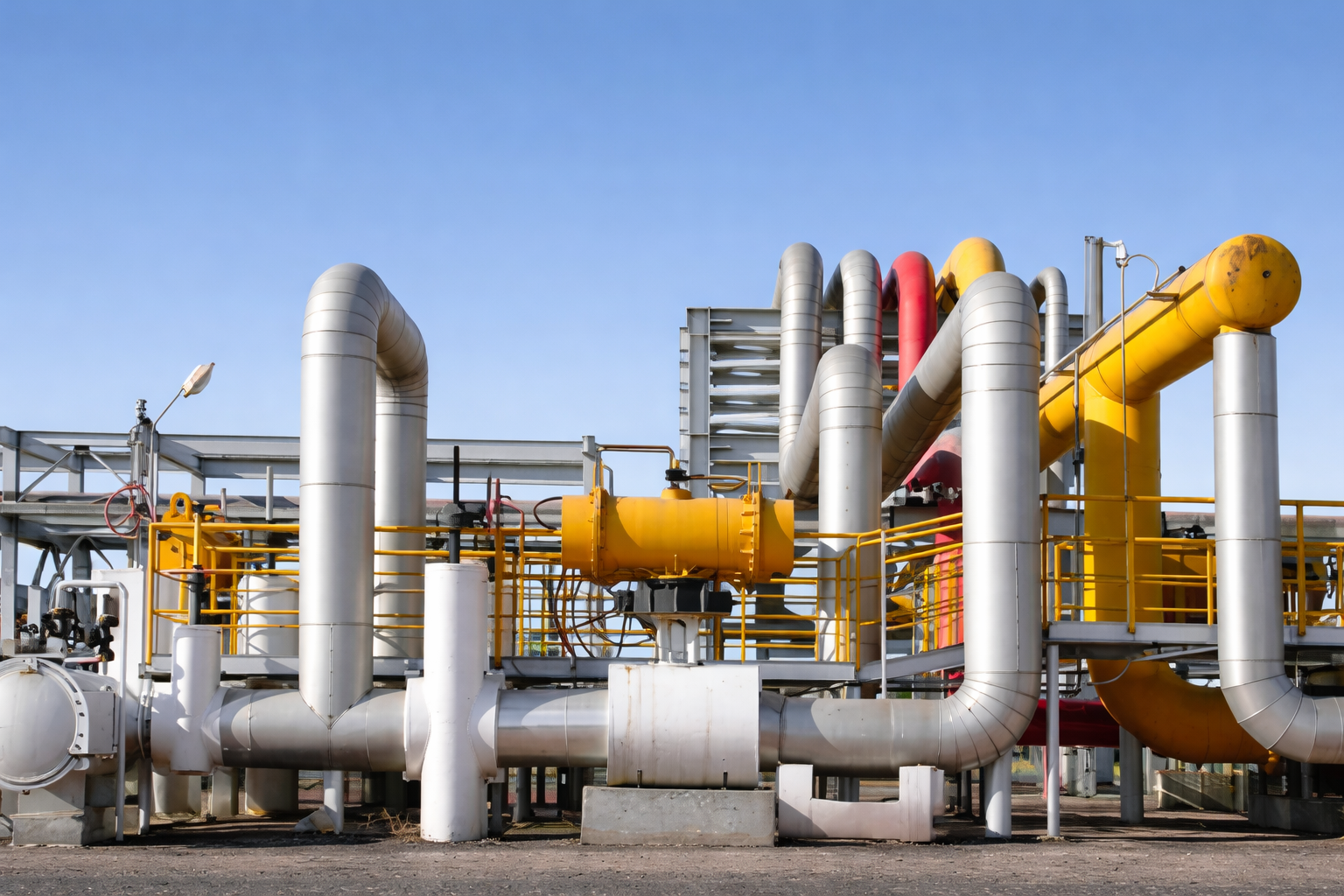
Industrial pipelines are the silent workhorses of manufacturing, power generation, oil & gas, and chemical processing facilities. They transport water, chemicals, fuels, and effluents across long distances often under high pressure and harsh operating conditions.
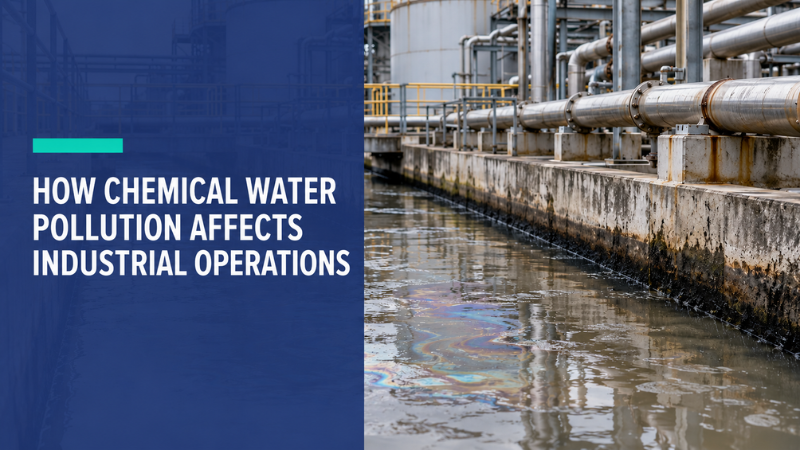
When pipeline leakage occurs, the impact goes far beyond material loss. It leads to safety hazards, production downtime, regulatory violations, and long-term environmental damage, including chemical water pollution and oil water pollution.
This blog explores the most effective pipeline leakage solutions for industries, breaking down the root causes of leakage, the importance of early detection, and how modern monitoring technologies help prevent failures before they escalate.
What Causes Leakage In Industrial Pipelines?
Understanding what causes leakage in industrial pipelines is the first step toward implementing a reliable prevention strategy. Most pipeline failures are not sudden – they are progressive issues that go unnoticed until damage is already done.
Common Causes of Industrial Pipeline Leakage
1. Corrosion and Material Degradation
Pipelines carrying water, chemicals, or effluents are constantly exposed to corrosive elements.
Internal corrosion from aggressive fluids
External corrosion due to moisture, soil conditions, or chemical exposure
Scaling and deposits that weaken pipe walls over time
Unchecked corrosion is one of the leading contributors to industrial leakage and chemical discharge into surrounding water bodies.
2. Mechanical Stress and Pressure Variations
Industrial pipelines operate under fluctuating pressures.
Sudden pressure surges
Thermal expansion and contraction
Vibrations from pumps, compressors, or rotating equipment
These stresses can cause cracks, joint failures, or seal degradation.
3. Poor Installation or Aging Infrastructure
Older plants often operate pipelines beyond their intended lifecycle.
Improper welding or joint alignment
Use of outdated materials
Lack of regular inspection protocols
Over time, these weaknesses lead to leaks that can cause oil water pollution or contaminate groundwater.
4. External Damage and Human Error
Construction activity, improper maintenance practices, or accidental impacts can damage pipelines, especially in industrial zones with shared infrastructure.
Why Do Early Detection Systems Prevent Major Losses?
One of the most frequently asked questions in industrial risk management is why do early detection systems prevent major losses? The answer lies in speed, precision, and prevention.
The Cost of Delayed Leak Detection
When leaks are detected late, industries face:
High product loss and energy wastage
Emergency shutdowns and unplanned downtime
Environmental penalties due to chemical water pollution
Cleanup costs and reputational damage
A small, undetected leak can quickly turn into a large-scale failure.
Benefits of Early Leak Detection Systems
Early detection systems identify anomalies before visible damage occurs.
Continuous monitoring of pressure, flow, and temperature
Immediate alerts for deviations from normal operating conditions
Faster response times for maintenance teams
Reduced risk of oil water pollution and soil contamination
From a sustainability perspective, early detection directly supports pollution prevention and resource efficiency.
Regulatory and Compliance Advantages
Environmental regulations are becoming stricter across industries. Early detection systems help organizations:
Meet discharge norms and safety standards
Maintain accurate audit trails
Demonstrate proactive environmental responsibility
This is especially critical in industries handling hazardous fluids or effluents.
How Do Modern Technologies Help Monitor And Prevent Leakage?
Advancements in industrial automation and digital monitoring have transformed how pipeline leakage is managed. So, how do modern technologies help monitor and prevent leakage? By shifting maintenance from reactive to predictive.
Smart Sensors and IoT-Based Monitoring
Modern pipelines are equipped with smart sensors that collect real-time data.
Pressure and flow sensors detect micro-leaks
Acoustic sensors identify sound signatures of escaping fluids
Corrosion sensors track material degradation
These systems provide continuous visibility into pipeline health.
SCADA and Centralized Control Systems
Supervisory Control and Data Acquisition (SCADA) platforms integrate data from multiple sources.
Real-time dashboards for operators
Automated alarms and shutdown protocols
Historical data analysis for trend identification
This centralized approach reduces response time and improves operational safety.
Predictive Maintenance Using Data Analytics
Data-driven maintenance strategies help prevent failures before they happen.
Pattern recognition to identify early warning signs
Predictive alerts based on operating conditions
Optimized maintenance scheduling
This significantly reduces downtime and extends pipeline lifespan.
Integration With Pollution Control Systems
Pipeline monitoring does not operate in isolation. It integrates with downstream treatment and recovery systems such as oil-water separators and effluent treatment plants.
For industries managing oily effluents, combining monitoring with oil water pollution mitigation systems ensures end-to-end environmental protection.
Implementing An Effective Pipeline Leakage Solution Strategy
A reliable pipeline leakage solution is not a single product – it is a system-level approach.
Key Components of an Effective Strategy
Risk assessment of critical pipeline sections
Selection of appropriate detection technologies
Integration with existing control and treatment systems
Regular audits and performance reviews
Industries handling hazardous liquids should also align leakage prevention with broader chemical water pollution control frameworks.
Sustainability and Long-Term Impact
Preventing leakage supports:
Reduced water and chemical wastage
Lower environmental footprint
Improved plant efficiency and reliability
Stronger compliance with sustainability goals
This approach aligns with modern industrial responsibility standards and circular water management principles.
Conclusion
Pipeline leakage is not just an operational issue – it is an environmental and safety challenge. By understanding what causes leakage in industrial pipelines, investing in early detection systems, and adopting modern monitoring technologies, industries can significantly reduce losses and pollution risks.
An integrated pipeline leakage solution strategy protects infrastructure, safeguards the environment, and ensures long-term operational resilience. Proactive monitoring and prevention are no longer optional – they are essential for sustainable industrial growth.
Frequently Asked Questions(FAQs)
Q1. What causes leakage in industrial pipelines?
A: Leakage is commonly caused by corrosion, pressure fluctuations, aging infrastructure, poor installation, and external damage. Over time, these factors weaken pipelines and increase the risk of chemical or oil water pollution.
Q2. Why do early detection systems prevent major losses?
A: Early detection systems identify leaks at an early stage, reducing material loss, preventing environmental contamination, and avoiding costly emergency shutdowns. They enable faster corrective action before damage escalates.
Q3. How do modern technologies help monitor and prevent leakage?
A: Modern technologies use IoT sensors, SCADA systems, and predictive analytics to monitor pipelines in real time. These tools detect anomalies early and support preventive maintenance strategies.
Q4. Are pipeline leakage solutions important for environmental compliance?
A: Yes. Effective leakage solutions help industries meet environmental regulations, prevent chemical water pollution, and demonstrate responsible water and effluent management practices.
Q5. Can pipeline monitoring systems integrate with treatment plants?
A: Absolutely. Pipeline monitoring systems can be integrated with effluent treatment and oil-water separation systems to ensure end-to-end pollution control and sustainable operations.