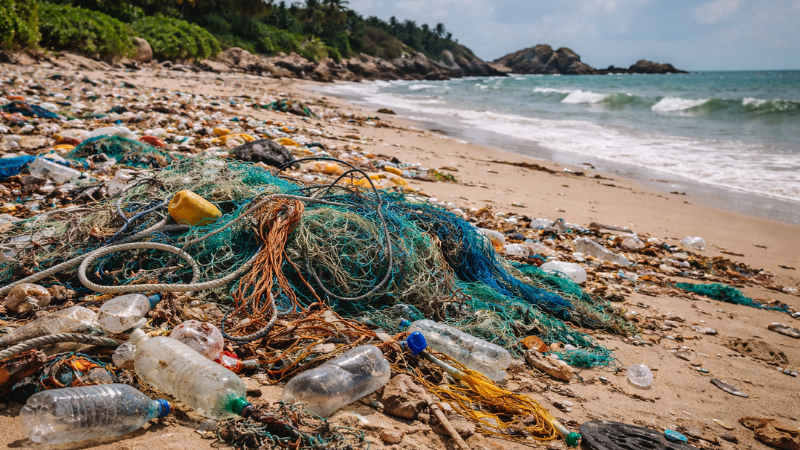
Ocean trash pollution has evolved from a visible coastal nuisance into a global environmental crisis affecting marine ecosystems, biodiversity, and human livelihoods. From floating plastic debris to industrial effluents discharged through rivers and coastlines, the accumulation of waste in oceans is disrupting ecological balance at an unprecedented scale.
Understanding how ocean trash pollution enters marine environments, why plastics and industrial waste pose the greatest risks, and how industries can reduce their contribution to marine pollution is critical for building effective, long-term solutions. This article explores these aspects through an engineering, sustainability, and industrial responsibility lens.
What Are The Main Sources Of Ocean Trash Pollution?
When discussing what are the main sources of ocean trash pollution, it is important to recognize that nearly 80% of marine debris originates on land. Poor waste handling practices, inadequate infrastructure, and unregulated discharges collectively allow waste to travel from cities and industrial zones into oceans.
Key land-based sources include:
Mismanaged municipal solid waste, particularly plastics that escape collection systems
Stormwater runoff carrying litter, packaging waste, and industrial residues
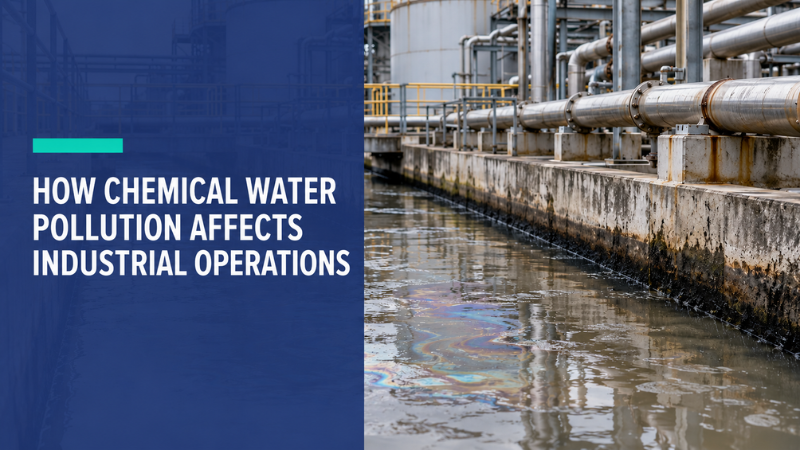
Industrial effluents discharged into rivers and coastal waters
Construction and demolition debris entering drainage channels
Rivers act as major transport pathways, funneling inland waste directly into marine environments. In rapidly urbanizing coastal regions, insufficient waste segregation and disposal accelerate the spread of ocean trash pollution.
Sea-based sources also play a role:
Abandoned or lost fishing gear (ghost nets and lines)
Waste from shipping and offshore operations
Aquaculture equipment and packaging materials
Once introduced, ocean currents distribute debris across vast distances, leading to accumulation zones such as coastal dead zones and mid-ocean gyres.
Why Are Plastics And Industrial Waste The Biggest Threat?
Among all forms of marine debris, plastics and industrial waste represent the most persistent and damaging category. This explains why are plastics and industrial waste the biggest threat to marine ecosystems.
Persistence and fragmentation
Plastics do not biodegrade; instead, they fragment into microplastics and nanoplastics. These particles:
Are ingested by plankton, fish, and shellfish
Move up the food chain through bioaccumulation
Disrupt feeding, growth, and reproduction in marine organisms
Microplastics have now been detected in deep-sea sediments, polar waters, and commercially harvested seafood.
Industrial waste and chemical contamination
Industrial activities contribute oily residues, heavy metals, and chemical by-products to marine environments. Inadequate treatment of effluents often results in:
Reduced oxygen transfer in water bodies
Smothering of benthic habitats
Toxic exposure for aquatic species
A major contributor to this issue is untreated or poorly treated industrial discharge, including oily wastewater streams. Effective oil and grease wastewater treatment systems are therefore essential to prevent harmful contaminants from reaching marine ecosystems.
Oil-based pollution impacts
Industrial spills, leakages, and routine discharges are key drivers of oil pollution in oceans. Even thin oil films can:
Block sunlight penetration, affecting photosynthesis
Damage fish gills and bird feathers
Persist in sediments for years, slowing ecosystem recovery
Together, plastic debris and industrial waste create long-term, compounding stress on marine environments.
How Can Industries Reduce Their Contribution To Marine Pollution?
Addressing how can industries reduce their contribution to marine pollution requires a shift from reactive cleanup to proactive prevention and engineered control systems.
1. Source reduction and material control
Industries can significantly reduce marine impact by:
Minimizing single-use plastics in packaging
Switching to recyclable or reusable materials
Redesigning products with end-of-life recovery in mind
Source reduction is the most cost-effective and sustainable strategy.
2. Effective waste capture before discharge
Installing mechanical and hydraulic capture systems prevents debris from entering waterways:
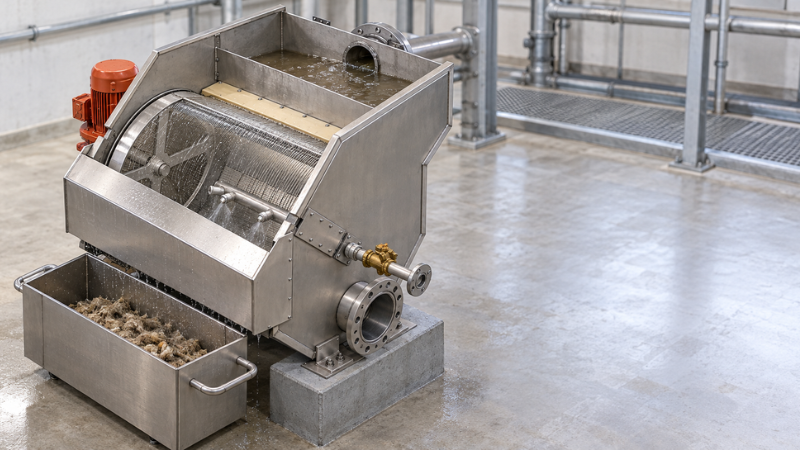
Trash screens and bar racks at stormwater outlets
Sediment traps and grit chambers
Grease interceptors in food and processing industries
These systems act as the first line of defense against ocean trash pollution.
3. Advanced wastewater and oily effluent treatment
Industries discharging process water must adopt multi-stage treatment systems that include:
Modern oil and grease wastewater treatment solutions enable industries to recover pollutants, reduce environmental load, and comply with discharge regulations.
4. Monitoring, compliance, and accountability
Continuous monitoring of effluent quality and discharge points helps industries:
Digital monitoring and automated reporting are increasingly becoming industry standards.
5. Circular economy and recovery initiatives
Industries can further reduce marine impact by:
Supporting recycling and material recovery programs
Participating in fishing gear take-back initiatives
Collaborating with coastal cleanup and river interception projects
Preventing oil pollution in oceans and solid waste leakage is far more effective than remediation after contamination occurs.
Conclusion
Ocean trash pollution is a systemic challenge driven by human activity, industrial growth, and inadequate waste management practices. Plastics and industrial waste continue to threaten marine ecosystems through persistence, toxicity, and large-scale accumulation.
However, through responsible material use, robust wastewater treatment, and engineered pollution-control systems, industries can dramatically reduce their environmental footprint. Sustainable industrial practices are no longer optional, they are essential to protecting marine ecosystems and ensuring long-term economic and ecological resilience.
Frequently Asked Questions(FAQs)
Q1. What are the main sources of ocean trash pollution?
A: The main sources of ocean trash pollution include mismanaged land-based waste, industrial effluents, stormwater runoff, and abandoned fishing gear. Rivers and coastal discharge points act as major pathways carrying debris into marine environments.
Q2. Why are plastics and industrial waste the biggest threat to oceans?
A: Plastics persist for decades and fragment into microplastics, while industrial waste introduces oils and toxic chemicals. Together, they disrupt food chains, damage habitats, and contribute to long-term ecological degradation.
Q3. How can industries reduce their contribution to marine pollution?
A: Industries can reduce marine pollution by minimizing plastic use, installing waste capture systems, upgrading oil and grease wastewater treatment processes, and continuously monitoring discharge quality.
Q4. How does oil pollution in oceans affect marine ecosystems?
A: Oil pollution reduces oxygen transfer, contaminates sediments, and harms fish, birds, and coral systems. Even small discharges can cause long-term damage if not properly managed.