Industrial water and wastewater systems depend heavily on accurate hydraulic control. Whether it is regulating raw water intake, balancing process flows, or protecting downstream treatment units, controlling how water moves through a plant is a fundamental operational requirement.
Among the most widely used mechanical flow-management devices in treatment infrastructure are water control gates. When correctly selected and installed, these gates help maintain stable process conditions, reduce operational risks, and support long-term environmental protection goals – especially in facilities where water quality and flow variability directly influence treatment performance.
How Do Water Control Gates Regulate Flow In Treatment Plants?
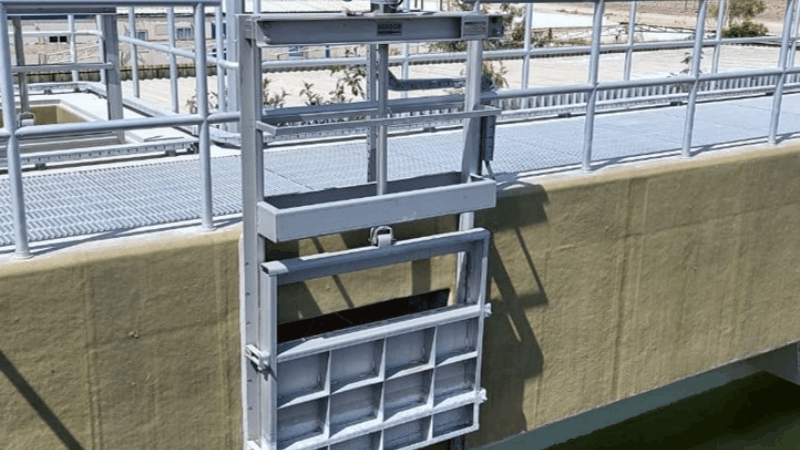
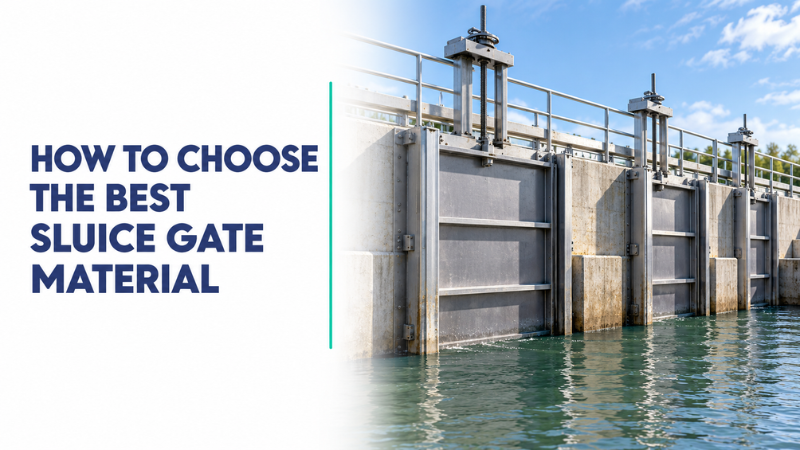
Water control gates are mechanical barriers installed within channels, pipelines, or chambers to control water level, velocity, and discharge rate.
Controlled opening and closing
Water control gates regulate flow by adjusting the effective opening area available for water to pass through.
By raising or lowering the gate leaf:
the cross-sectional area of the channel is changed
upstream water levels are stabilised
downstream flow rates are regulated
This enables precise control over how much water enters or exits a treatment unit.
Maintaining design water levels in process units
Most treatment processes are designed to operate within a narrow hydraulic range.
For example:
grit chambers require steady approach velocities
sedimentation tanks need stable overflow rates
filtration systems require controlled headloss
By using water control gates at strategic locations, operators can maintain these hydraulic conditions even when incoming flow fluctuates.
This is a central part of regulating flow in treatment plants under real operating conditions.
Flow balancing between parallel units
In many plants, treatment units operate in parallel trains.
Water control gates are used to:
distribute flow evenly across multiple basins
isolate individual units for maintenance
prevent hydraulic short-circuiting
Without proper flow balancing, some units become overloaded while others remain underutilised.
Isolation and emergency shutdown
Water control gates also function as isolation devices.
They allow operators to:
stop flow during equipment failure
isolate sections for inspection
protect downstream units during sudden inflow surges
This safety function is particularly important in plants handling contaminated or industrial wastewater.
Manual and automated control options
Modern water control gates can be operated through:
Automated gates enable real-time hydraulic control based on sensor data, improving reliability and responsiveness.
These operational capabilities collectively define how water control gates regulate flow in treatment plants.
Why Is Flow Control Critical In Wastewater Treatment Processes?
Hydraulics is the hidden backbone of wastewater treatment. Without proper flow regulation, even advanced treatment technologies cannot perform as intended.
Biological processes depend on stable loading
Biological reactors such as:
activated sludge systems
MBBR reactors
biofilters
are designed for specific hydraulic retention times.
If flow suddenly increases:
Conversely, very low flows can cause process instability and poor mixing.
This is a direct reason why flow control is critical in wastewater treatment processes.
Preventing hydraulic shock loads
Industrial wastewater often arrives in batches rather than steady streams.
Without upstream flow regulation:
equalisation tanks overflow
clarifiers experience short-circuiting
sludge blankets become unstable
Water control gates help smooth out these hydraulic peaks and protect downstream units from shock loading.
Optimising chemical dosing performance
Processes such as:
require predictable flow conditions.
Fluctuating flow directly affects:
chemical contact time
mixing efficiency
treatment consistency
Stable hydraulics ensure chemical systems operate efficiently and avoid unnecessary overdosing.
Reducing bypass and untreated discharge risk
When flow exceeds design capacity, plants often resort to partial bypass.
By using controlled gating at key junctions:
peak flows can be throttled
storage tanks can be activated
priority treatment paths can be maintained
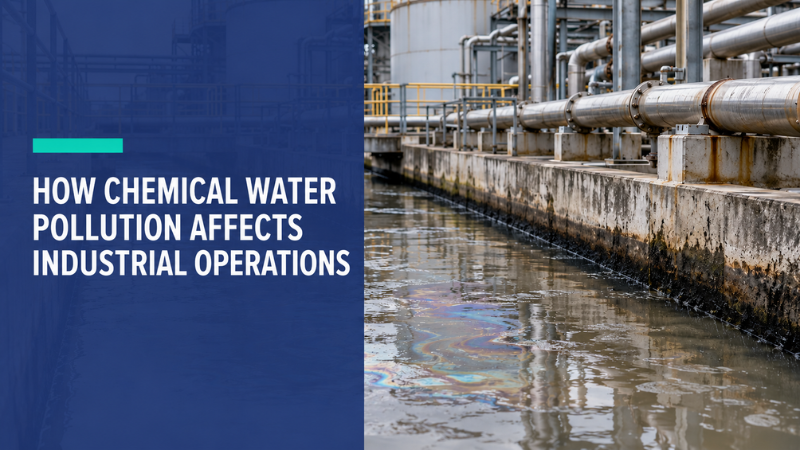
This significantly reduces the risk of untreated or partially treated discharge, which can contribute to oil water pollution and other environmental impacts in industrial catchments.
Improving asset protection and infrastructure life
Uncontrolled flows cause:
Proper flow regulation reduces mechanical stress on structures and extends the operational life of civil infrastructure.
This operational resilience further highlights why flow control is critical in wastewater treatment processes.
Which Industries Benefit Most From Water Control Gate Installations?
Water control gates are used across a wide range of industrial and municipal facilities. However, some sectors gain particularly high value from controlled hydraulics.
Power and utility infrastructure
Thermal power plants and utility facilities use gates for:
Accurate flow control protects heat exchangers and prevents intake system damage during seasonal variations.
Manufacturing and process industries
Manufacturing facilities with complex water reuse loops benefit from gates at:
Flow regulation ensures that treatment systems match real process demands without overloading downstream units.
Food and agro-processing industries
Industries such as:
generate wastewater with highly variable flow and organic load.
Water control gates allow:
effective batch management
stable biological treatment operation
improved equalisation tank performance
This makes them an essential hydraulic tool in industrial effluent management.
Petrochemical and refinery operations
Refineries and petrochemical facilities require strict segregation and routing of wastewater streams.
Water control gates support:
controlled diversion of oily wastewater
isolation of contaminated drains
emergency containment routing
These measures play an important role in reducing the risk of downstream oil water pollution.
Municipal and mixed-use industrial zones
In many industrial clusters, municipal and industrial wastewater flows are combined.
Water control gates help:
regulate inflows to common treatment facilities
protect municipal infrastructure from industrial shock loads
manage stormwater inflow during monsoon conditions
This is particularly relevant in industrial estates classified under the miscellaneous industry category where multiple small and medium enterprises discharge into shared systems.
Key sectors that benefit most
From an operational and environmental perspective, the industries that benefit most include:
power and utility plants
manufacturing and heavy engineering
food and agro-based processing
petrochemical and refinery facilities
mixed industrial estates and parks
These applications clearly illustrate which industries benefit most from water control gate installations.
Operational and environmental advantages of proper flow control
Well-designed hydraulic control systems provide measurable benefits:
improved treatment efficiency
reduced risk of bypass events
better protection of biological systems
lower energy consumption from stabilised pumping and aeration
reduced risk of accidental environmental contamination
From a sustainability perspective, controlled flow directly supports:
consistent treatment performance
reduced pollutant discharge
protection of receiving water bodies
Conclusion
Water control gates play a vital but often overlooked role in industrial water and wastewater systems. By regulating hydraulic conditions throughout a treatment plant, they help stabilise biological and chemical processes, protect infrastructure, and reduce the risk of operational failures that can lead to environmental damage. Consistent flow control improves treatment reliability, supports regulatory compliance, and enables facilities to operate more efficiently under fluctuating production and seasonal conditions. When integrated into a well-designed water management framework, water control gates become a foundational element for long-term, sustainable industrial water and wastewater operations.
Frequently Asked Questions(FAQs)
Q1. How do water control gates regulate flow in treatment plants?
A: Water control gates regulate flow by adjusting the opening through which water passes, allowing operators to control discharge rate, water level and flow distribution across treatment units.
Q2. Why is flow control critical in wastewater treatment processes?
A: Flow control is critical because biological and chemical treatment systems require stable hydraulic conditions to maintain performance and avoid shock loading, washout and bypass risks.
Q3. Which industries benefit most from water control gate installations?
A: Industries such as power generation, manufacturing, food processing, petrochemical operations and mixed industrial estates benefit the most due to variable flows and complex wastewater routing needs.
Q4. Can water control gates help reduce environmental pollution risks?
A: Yes. Properly operated gates help prevent uncontrolled discharges and reduce the likelihood of incidents that contribute to oil water pollution and other forms of industrial contamination.
Q5. Are water control gates suitable for automated treatment plants?
A: Modern gates can be fully automated and integrated with sensors and SCADA systems to enable real-time hydraulic control and operational optimisation.