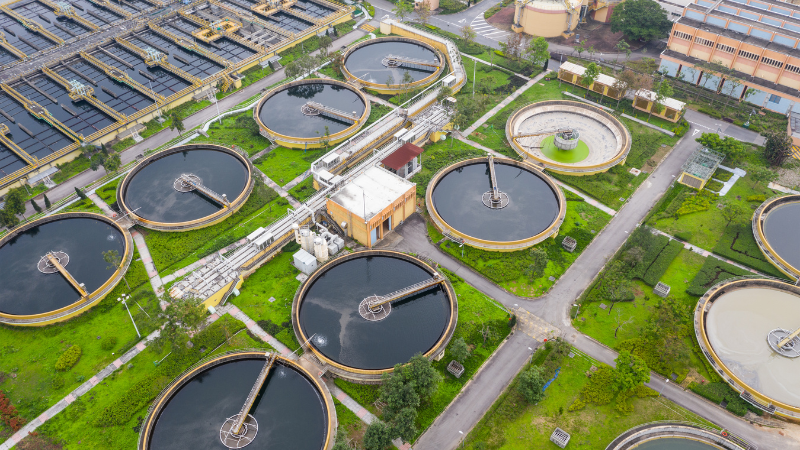
Industrial operations that handle oil – whether in manufacturing, food processing, marine, or wastewater treatment – face a constant challenge: oil loss and environmental contamination. Inefficient oil separation not only increases operational costs but also contributes significantly to oil water pollution.
This is where automated solutions step in. By integrating smart engineering with precision control, automated oil recovery systems are transforming how industries recover oil, reduce waste, and meet sustainability goals.
Automated oil recovery systems reduce oil loss and pollution by continuously separating oil from wastewater using smart controls, improving recovery efficiency and ensuring compliance with environmental standards.
Quick Take (TL;DR)
Continuous oil recovery = less waste, more reuse
Automation reduces manual errors and downtime
Helps industries stay compliant with pollution norms
Key Facts
Typical oil recovery efficiency: 90–98%
Manual system efficiency: 50–70%
ROI period: 6–18 months
Pollution reduction: Significant decrease in oil discharge
What Is An Automated Oil Recovery System?
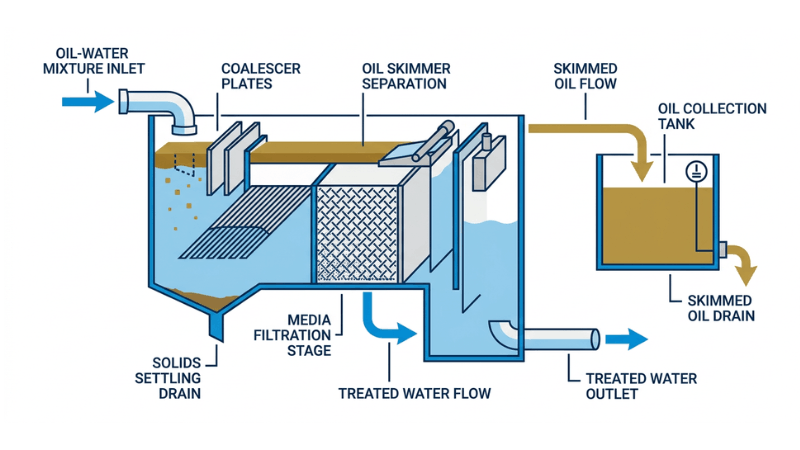
An automated oil recovery system is an engineered solution designed to separate and recover oil from wastewater without manual intervention, ensuring consistent and efficient operation.
In industrial processes, oil contamination is common in sectors like manufacturing, automotive, and food processing. Traditional methods rely heavily on manual skimming, which is inconsistent and inefficient.
Key Components:
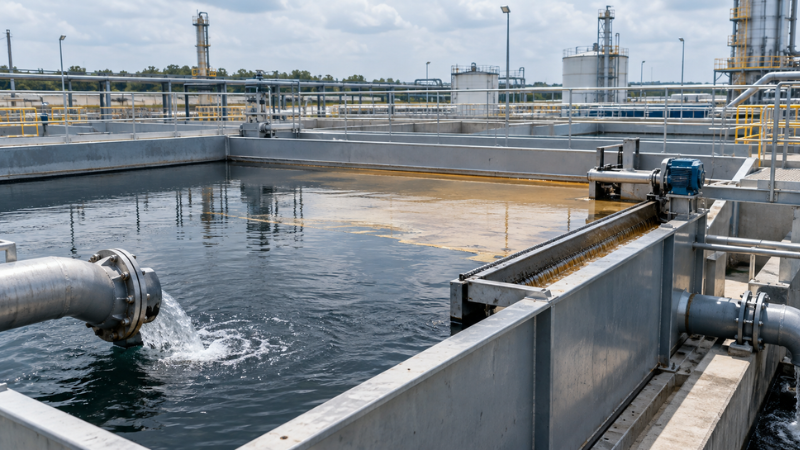
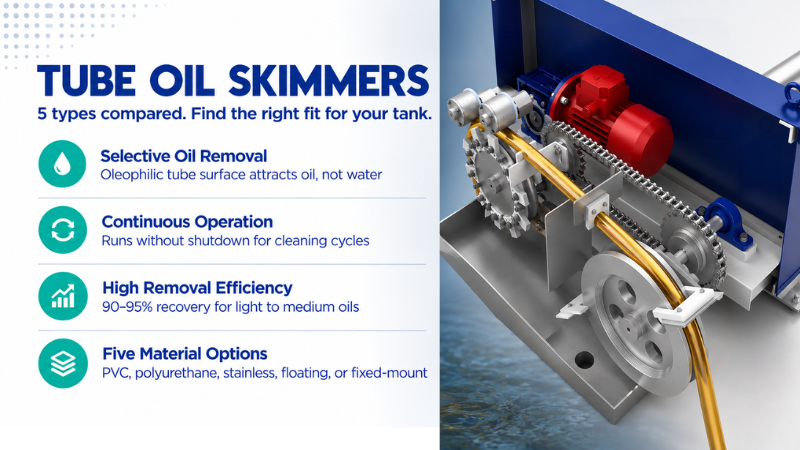
Oil skimmer unit (belt, disc, or drum type)
Sensors and control panels for automation
Collection and storage tanks
Flow regulation systems
By integrating an automated oil recovery system, industries can achieve:
These systems are a critical part of modern effluent treatment solutions and support sustainable industrial operations.
How Do Automated Systems Improve Oil Skimming Efficiency?
Automated systems improve oil skimming efficiency by continuously monitoring oil levels and dynamically adjusting skimming operations to maximize recovery and minimize waste.
Key Efficiency Improvements
Continuous Operation
Precision Skimming
Reduced Human Error
Optimized Oil and Grease Removal
Industries using automated systems often report:
This makes automation essential for advanced oil and grease removal strategies in wastewater management.
Why Are Automated Oil Recovery Solutions Important For Industries?
Automated oil recovery solutions are important because they reduce environmental impact, improve resource efficiency, and ensure regulatory compliance in industrial operations.
Key Benefits & ROI
1. Cost Savings Through Oil Recovery
Recovered oil can often be:
This directly reduces operational costs.
2. Environmental Compliance
Strict discharge norms require industries to minimize oil water pollution.
Automated systems help:
Meet regulatory standards
Avoid penalties
Improve ESG (Environmental, Social, Governance) performance
3. Reduced Environmental Impact
Oil contamination affects:
Aquatic ecosystems
Soil quality
Drinking water sources
Automation ensures minimal oil discharge, supporting sustainable operations.
4. Operational Efficiency
With automation:
5. Scalability for Industrial Growth
As industries expand, automated systems can scale easily without increasing labor dependency.
Industries Benefiting:
For industries aiming toward sustainability goals like Zero Liquid Discharge (ZLD), automated recovery systems are no longer optional – they’re strategic.
This is how oil water pollution solutions can transform wastewater management.
Conclusion
Automated oil recovery systems are no longer optional – they’re essential.
They bridge the gap between operational efficiency and environmental responsibility. By ensuring continuous oil recovery, reducing waste, and minimizing pollution, these systems help industries move toward a more sustainable and cost-effective future.
For companies aiming to optimize wastewater treatment while staying compliant and profitable, investing in automation is a strategic move, not just a technical upgrade.
Frequently Asked Questions(FAQs)
Q1. What is an automated oil recovery system?
A: An automated oil recovery system is a technology that separates and recovers oil from wastewater using sensors and skimming mechanisms, ensuring continuous and efficient operation.
Q2. How do automated systems improve oil skimming efficiency?
A: They use sensors and controls to optimize skimming in real-time, ensuring consistent oil removal and reducing waste compared to manual methods.
Q3. Why are automated oil recovery solutions important for industries?
A: They reduce pollution, improve resource efficiency, ensure compliance, and lower operational costs in wastewater treatment processes.
Q4. Can recovered oil be reused?
A: Yes, recovered oil can often be reused within the process, recycled, or sold, depending on its quality and industry application.
Q5. Which industries benefit most from automated oil recovery systems?
A: Industries such as oil & gas, food processing, marine, chemical manufacturing, and metal processing benefit significantly due to high oil usage and wastewater generation.