Chemical water pollution occurs when harmful synthetic or natural chemicals enter freshwater or marine systems, degrading water quality and threatening aquatic life and human health. It is one of the most widespread environmental crises of the industrial age, driven largely by inadequate effluent management and accidental discharges. Understanding its causes, consequences, and prevention strategies is essential for every industry that uses or generates water in its processes.
Three facts every industry leader must know: first, untreated industrial effluents are a primary driver of river and groundwater contamination worldwide; second, even trace concentrations of certain chemicals can disrupt entire ecosystems; and third, robust chemical wastewater treatment systems are proven to reduce pollutant loads by over 90% before discharge.
What Are The Major Causes Of Chemical Water Pollution?
Chemical water pollution does not arise from a single source. It is a multi-origin problem that involves industries, farms, municipalities, and even households. Recognising each source is the first step toward preventing contamination at scale.
Industrial Discharges
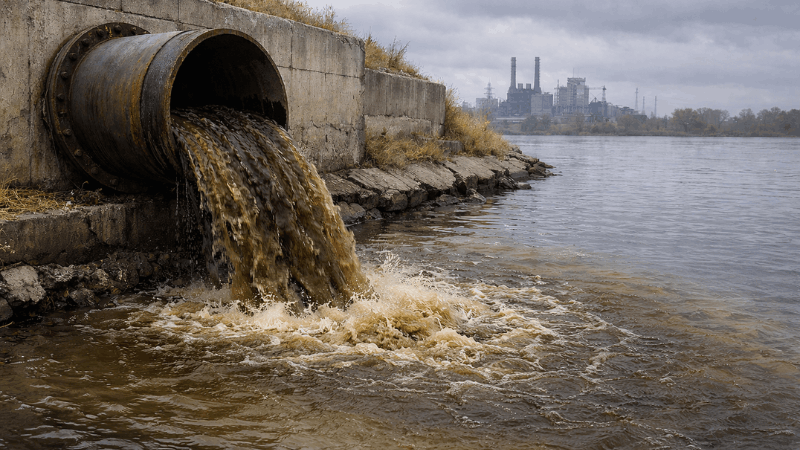
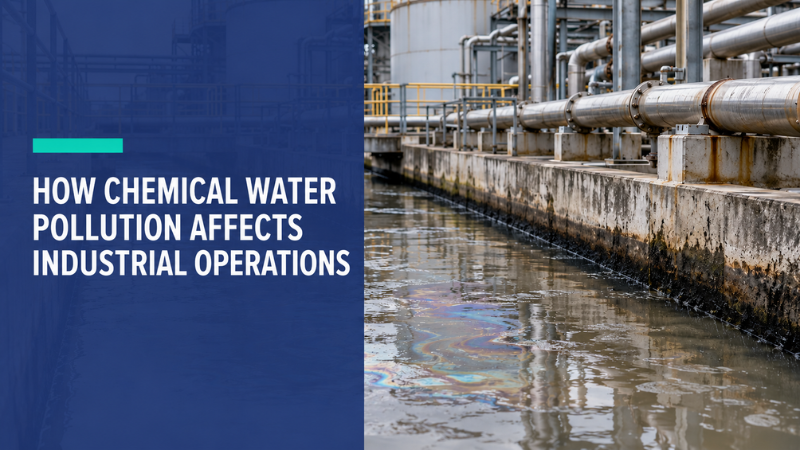
Manufacturing plants, refineries, textile units, and chemical processing facilities release a range of pollutants — including heavy metals, solvents, dyes, and acids — into nearby water bodies. When effluent treatment is inadequate or bypassed, these substances accumulate rapidly in rivers and groundwater. Heavy metals such as lead, chromium, and mercury are particularly persistent; once deposited in sediment, they can re-enter the food chain for decades.
Agricultural Runoff
Pesticides, herbicides, and synthetic fertilisers applied to farmland are carried into streams and lakes through surface runoff during rainfall. Nitrogen and phosphorus from fertilisers trigger eutrophication — the rapid overgrowth of algae that depletes oxygen and kills aquatic organisms. Organochlorine pesticides, though many are banned, persist in soil and water for years, continuing to contaminate water supplies long after application stops.
Mining Activities
Mining operations generate acid mine drainage — a highly acidic, metal-laden leachate that forms when sulphide minerals in exposed rock react with water and oxygen. This drainage can lower the pH of nearby streams dramatically, making them uninhabitable for most aquatic life. Tailings ponds, if poorly lined or managed, can breach and release enormous quantities of toxic slurry into surrounding watersheds.
Improper Waste Disposal And Landfill Leachate
Chemicals dumped in unlined or poorly managed landfills leach into the soil and eventually reach groundwater aquifers. Common leachate contaminants include chlorinated solvents, benzene, and heavy metals. Once groundwater is contaminated, remediation is extremely costly and can take generations. Municipal wastewater carrying pharmaceutical residues, cleaning agents, and personal care product chemicals also contributes significantly where treatment infrastructure is inadequate.
Accidental Spills And Emergency Discharges
Pipeline ruptures, tanker accidents, and storage tank failures can release thousands of litres of hazardous chemicals into water bodies in minutes. Effective chemical spill management protocols — including containment booms, neutralising agents, and rapid-response teams — are critical to limiting downstream damage. Without pre-planned response systems, a single spill event can contaminate a river stretch for kilometres.
How Do Industrial Effluents Contribute To Water Contamination?
Industrial effluents are liquid waste streams generated during manufacturing, processing, cleaning, and cooling operations. The chemical composition of these effluents varies enormously by industry, making sector-specific treatment strategies essential.
Textile And Dyeing Industry
The textile sector is one of the largest contributors to water contamination globally. Dyeing and finishing processes use large volumes of water and generate effluents containing azo dyes, surfactants, salts, and bleaching agents. Many synthetic dyes are carcinogenic and highly resistant to biological degradation. Colour removal efficiency from textile effluent using advanced oxidation processes can reach up to 95%, yet many smaller units discharge untreated wastewater directly.
Key pollutants:
Synthetic dyes (azo, reactive, disperse)
Sulphides and chlorine-based bleaches
Heavy metals from mordanting agents (chromium, copper)
High BOD and COD loads
Pharmaceutical And Chemical Manufacturing
Pharmaceutical plants generate effluents containing active pharmaceutical ingredients (APIs), solvents, and reagents that conventional municipal treatment systems are not designed to handle. These compounds, even at microgram-per-litre concentrations, disrupt the hormonal systems of aquatic organisms. Antibiotic residues in water are a growing concern because they promote the development of antimicrobial resistance in environmental bacteria.
Oil Refineries And Petrochemical Plants
Refineries produce effluents containing oil and grease, benzene, toluene, ethylbenzene, and xylene — collectively known as BTEX compounds — along with sulphur compounds and phenols. These are acutely toxic to aquatic life and have been linked to cancer in humans exposed through contaminated drinking water. Separator technologies and dissolved air flotation (DAF) systems are commonly used to remove free-floating oils, but dissolved and emulsified fractions require additional treatment stages.
Electroplating And Metal Finishing
Electroplating operations use cyanide baths, chromic acid, nickel sulphate, and cadmium solutions. Rinse water from plating tanks carries these substances directly to drain if not properly treated. Hexavalent chromium is classified as a Group 1 human carcinogen by the International Agency for Research on Cancer (IARC). Reduction to trivalent chromium followed by chemical precipitation is the established treatment pathway, but it requires careful pH control and sludge management.
Food Processing And Dairy Industries
While food processing effluents are primarily organic, they also contain sanitising chemicals, detergents, and cleaning-in-place (CIP) agents including caustic soda and nitric acid. High organic loads drive down dissolved oxygen in receiving waters. Cleaning chemicals can alter pH sharply, stressing aquatic organisms even at moderate concentrations. Combining biological treatment with chemical neutralisation is critical for these industries.
Why Is Chemical Water Pollution Dangerous For Ecosystems And Human Health?
The dangers of chemical contamination extend far beyond the point of discharge. Pollutants travel through watersheds, accumulate in living organisms, and create cascading effects across food webs — ultimately reaching human populations through drinking water, fish consumption, and crop irrigation.
Impact On Aquatic Ecosystems
Chemical pollutants affect aquatic ecosystems at every trophic level. Acute toxicity events — such as a chemical spill — can kill fish, invertebrates, and aquatic plants within hours. Chronic low-level exposure causes more insidious damage: reproductive failure, immune suppression, behavioural changes, and population decline over years. Endocrine-disrupting chemicals (EDCs) such as bisphenol A (BPA), phthalates, and certain pesticides interfere with hormonal signalling in fish, causing intersex conditions and reduced spawning success.
Documented ecosystem effects include:
Dead zones caused by eutrophication from excess nitrogen and phosphorus
Bioaccumulation of mercury and PCBs in fish tissues reaching toxic concentrations
Collapse of sensitive indicator species such as mayflies and caddisflies
Loss of riparian vegetation due to soil pH changes from acid drainage
Disruption of the nitrogen cycle by ammonia and nitrate overloads
Bioaccumulation And Biomagnification
Certain chemicals do not break down in living tissue. Instead, they accumulate with each meal an organism consumes — a process called bioaccumulation. Biomagnification occurs as these concentrations multiply up the food chain: a top predator such as a large fish or a bird of prey may carry pollutant concentrations thousands of times higher than the surrounding water. Methylmercury in tuna is a well-documented example, with significant implications for human consumers, especially pregnant women and children.
Human Health Consequences
Exposure to chemically contaminated water — whether through drinking, bathing, or eating contaminated food — causes a wide spectrum of health conditions. The severity depends on the type of chemical, the duration of exposure, and individual vulnerability.
Health effects by chemical category:
Heavy metals (lead, arsenic, cadmium): Neurological damage, kidney failure, developmental delays in children, and cancer
Nitrates: Blue baby syndrome (methaemoglobinaemia) in infants; linked to colorectal cancer in adults
Chlorinated solvents (TCE, PCE): Liver and kidney toxicity; probable human carcinogens
Pesticide residues: Hormonal disruption, non-Hodgkin lymphoma, Parkinson’s disease associations
Pharmaceutical residues: Antibiotic resistance; hormonal effects from oestrogen-like compounds
Groundwater Contamination And Drinking Water Security
Groundwater contamination is particularly alarming because aquifers supply drinking water to billions of people worldwide, yet they are invisible and their contamination is often discovered only after long-term exposure has already occurred. Once chemicals percolate into an aquifer, remediation may require pump-and-treat systems operating for decades at enormous cost. Communities dependent on contaminated wells face disproportionate health burdens, often without knowing the source of their illness.
How Can Industries Prevent Chemical Water Pollution?
Implementing Robust Effluent Treatment Systems
The most direct prevention measure is installing and properly operating a multi-stage chemical wastewater treatment system tailored to the specific pollutant profile of the industry. A properly designed system typically combines physical, chemical, and biological treatment stages.
A typical treatment train for industrial effluent includes:
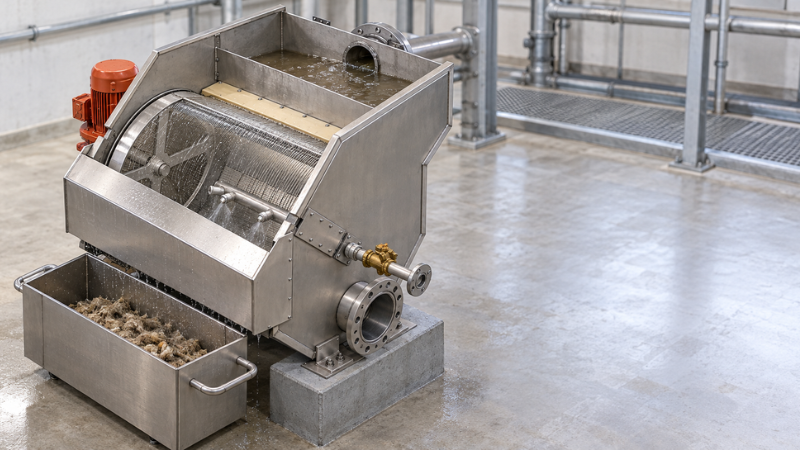
Screening and equalisation: Remove solids and buffer flow variations
pH correction: Neutralise acidic or alkaline streams before further treatment
Coagulation and flocculation: Destabilise and aggregate suspended particles
Dissolved air flotation (DAF): Remove oils, greases, and fine suspended solids
Biological treatment (MBBR, SBR, or activated sludge): Degrade organic matter
Advanced treatment (RO, UV, activated carbon): Remove persistent micropollutants
Sludge handling: Dewater, treat, and dispose of residual solids responsibly
Source Reduction And Green Chemistry
Prevention is always more effective and economical than treatment. Substituting hazardous chemicals with less toxic alternatives — a principle at the heart of green chemistry — reduces the pollutant burden at its source. Closed-loop water recycling systems allow industries to reuse process water repeatedly, dramatically cutting both water consumption and effluent volumes. Process optimisation to minimise reagent use, spillage, and washdown waste further reduces the load on treatment systems.
Spill Prevention And Emergency Response Planning
A documented and regularly drilled chemical spill management plan is a regulatory requirement in most jurisdictions and a cornerstone of responsible industrial operation. This includes secondary containment structures around chemical storage areas, spill kits at strategic locations, trained first-responder teams, and communication protocols with local environmental authorities. Early containment of a spill can prevent the need for costly downstream remediation.
Continuous Monitoring And Compliance
Real-time effluent monitoring using online sensors for pH, COD, turbidity, dissolved oxygen, and heavy metals enables rapid detection of treatment failures before non-compliant discharge occurs. Data from continuous monitoring systems should feed into a supervisory control system (SCADA) that can automatically adjust chemical dosing or divert flow to holding tanks if parameters exceed set points. Regular third-party audits and internal environmental compliance reviews strengthen accountability.
Regulatory Compliance And Environmental Permits
Industries must operate within the discharge standards set by national and local regulators, which typically specify maximum allowable concentrations for a range of parameters. Obtaining and maintaining valid consents to discharge, submitting effluent quality data, and engaging proactively with regulators are essential for legal operation and long-term sustainability. Penalties for non-compliance extend beyond fines to include reputational damage, operational shutdowns, and criminal liability in severe cases.
Conclusion
Chemical water pollution is not an inevitable by-product of industrial growth — it is a manageable consequence of inadequate systems and insufficient planning. Industries that invest in robust chemical wastewater treatment, adopt source-reduction practices, and maintain rigorous chemical spill management protocols demonstrate that environmental responsibility and operational efficiency are not mutually exclusive. The health of aquatic ecosystems, the safety of drinking water sources, and the well-being of communities living near industrial zones all depend on the choices made within factory gates and boardrooms. As regulatory frameworks tighten and public scrutiny intensifies, proactive prevention is no longer optional — it is the baseline standard for any industry operating sustainably in the modern world.
Frequently Asked Questions (FAQs)
Q1. What are the most common chemicals found in industrial wastewater?
A: The most common chemicals in industrial wastewater include heavy metals (lead, cadmium, chromium, mercury), chlorinated solvents, synthetic dyes, petroleum hydrocarbons, cyanides, and nitrates. The exact composition depends on the industry — textile effluent is dominated by dyes and salts, while refinery wastewater contains BTEX compounds and phenols. Effective chemical wastewater treatment must be designed around the specific pollutant profile of each facility.
Q2. What is the difference between acute and chronic chemical water pollution?
A: Acute chemical water pollution refers to sudden, high-concentration contamination events — such as a chemical spill — that cause immediate, visible harm to aquatic life. Chronic pollution involves lower concentrations over extended periods, often from continuous industrial discharges, and produces gradual ecological degradation that may go undetected for years. Both forms of chemical water pollution require different response and prevention strategies, with chronic contamination often presenting greater long-term risk to ecosystems and human health.
Q3. How do industrial effluents affect drinking water sources?
A: Industrial effluents can contaminate drinking water sources through direct discharge into rivers used for water abstraction, seepage into groundwater aquifers, and deposition of airborne chemicals that settle into reservoirs. Conventional municipal drinking water treatment is not designed to remove many industrial chemicals — particularly heavy metals, pharmaceuticals, and persistent organic pollutants. Communities near industrial zones are at elevated risk, making upstream effluent control and chemical wastewater treatment the most effective safeguard.
Q4. What steps should an industry take immediately after a chemical spill near a water body?
A: Immediately following a chemical spill near water, the priority actions include stopping or minimising the source of the spill, deploying containment equipment such as booms or absorbent barriers to prevent the chemical reaching the water, notifying environmental regulators as required by law, and deploying neutralising or recovery agents appropriate to the chemical involved. A well-prepared chemical spill management plan ensures these steps are executed rapidly and correctly, significantly reducing environmental damage and regulatory liability.
Q5. Why is bioaccumulation a particular concern with chemical water pollution?
A: Bioaccumulation is a concern because certain chemicals — particularly heavy metals and persistent organic pollutants — are not excreted by living organisms but instead stored in fatty tissues. As smaller organisms are consumed by larger predators, pollutant concentrations multiply through a process called biomagnification, making top-of-food-chain species — including humans — the most heavily exposed. Even water classified as safe by standard parameters may still harbour bioaccumulative substances at levels that pose long-term health risks through dietary exposure.