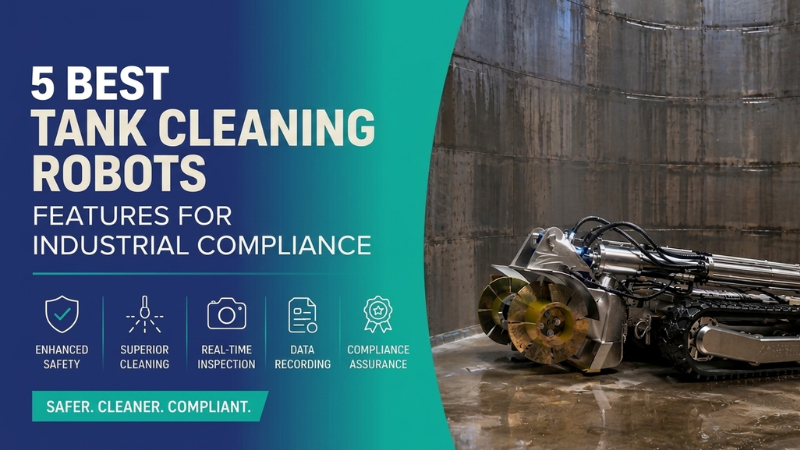
Tank Cleaning Robots help industrial facilities improve safety, maintain cleaning consistency, and support regulatory compliance by automating hazardous tank cleaning tasks. The most effective systems combine remote operation, high-performance cleaning, real-time inspection, comprehensive data logging, and compatibility with demanding industrial environments. Understanding these features helps organizations evaluate robotic cleaning technologies based on compliance requirements rather than automation alone.
Industrial tanks are used to store chemicals, petroleum products, wastewater, food ingredients, and other process materials. Over time, these tanks accumulate sludge, scale, sediments, and other residues that must be removed to maintain operational efficiency and comply with environmental and workplace safety regulations. Modern robotic cleaning systems have transformed this traditionally hazardous maintenance activity by reducing confined-space entry while delivering consistent cleaning results.
Why Are Tank Cleaning Robots Important for Industrial Compliance?
Industrial compliance requires more than simply cleaning storage tanks. Maintenance activities must also protect workers, minimize environmental risks, and provide documented evidence that cleaning procedures meet applicable standards.
Many industries operate under strict occupational safety, environmental, and quality management requirements. Manual tank cleaning often exposes workers to confined spaces, toxic gases, combustible vapors, and high-pressure equipment. Tank Cleaning Robots help reduce these risks by allowing operators to perform cleaning remotely while maintaining consistent cleaning quality.
Depending on the industry and region, compliance requirements may include:
Worker safety during confined-space operations
Proper waste collection and disposal
Documentation of maintenance activities
Equipment inspection records
Environmental protection measures
Process hygiene requirements
Rather than replacing compliance procedures, robotic cleaning technologies help organizations perform those procedures more safely and consistently.
What Features Should Tank Cleaning Robots Have for Industrial Compliance?
The most effective Tank Cleaning Robots combine automation, cleaning performance, safety, inspection capabilities, and operational data into one integrated system.
While different industries have unique requirements, five features consistently support regulatory compliance across multiple industrial sectors.
Feature 1: Remote and Automated Operation Improves Worker Safety
Remote operation is one of the most significant advantages of Tank Cleaning Robots because it reduces the need for personnel to enter hazardous confined spaces.
Confined-space entry remains one of the highest-risk maintenance activities in industrial facilities. Workers may encounter:
Robotic systems allow operators to control cleaning equipment from a safe location outside the tank. This significantly reduces worker exposure to hazardous environments while improving operational control throughout the cleaning process.
Many robotic systems also support precise movement controls, programmable cleaning paths, and multiple camera views, helping operators maintain cleaning accuracy without entering the vessel.
Feature 2: High-Performance Cleaning Ensures Consistent Results
Cleaning performance directly affects equipment reliability, product quality, and regulatory compliance.
Industrial tanks accumulate different types of deposits depending on the stored material. These may include:
Sludge
Oil residues
Mineral scale
Biological deposits
Chemical precipitates
Sediment buildup
High-performance Tank Cleaning Robots are designed to remove these deposits using controlled cleaning methods such as high-pressure water jets, rotating cleaning heads, or specialized cleaning attachments.
Consistent cleaning helps maintain:
For example, incomplete sludge removal from an oil storage tank can reduce storage capacity and interfere with future inspections. Likewise, residue left inside food-processing tanks may affect sanitation requirements and product quality.
Cleaning consistency is often more valuable than cleaning speed when compliance is the primary objective.
Feature 3: Inspection and Real-Time Monitoring Support Better Maintenance Decisions
Cleaning alone does not confirm that a tank remains structurally sound. Inspection capabilities are equally important for compliance-focused maintenance programs.
Many modern Tank Cleaning Robots integrate cameras, lighting systems, and monitoring equipment that allow operators to inspect internal tank conditions during or after cleaning.
These systems may identify:
Real-time visual feedback allows maintenance teams to verify cleaning completeness before returning equipment to service.
Inspection records also support preventive maintenance programs by identifying potential problems before they develop into larger failures.
When inspection and cleaning occur during the same maintenance operation, facilities can often reduce downtime while improving maintenance planning.
Feature 4: Safety Systems and Hazardous Area Compatibility Reduce Operational Risk
Industrial environments often contain combustible gases, volatile chemicals, or explosive atmospheres. Equipment used inside these environments must be suitable for the operating conditions.
Many Tank Cleaning Robots are designed with safety features that support operation in demanding industrial applications.
Important safety-related capabilities may include:
Remote emergency shutdown
Stable mobility systems
Leak-resistant construction
Chemical-resistant materials
Reliable communication systems
Operation in hazardous environments where appropriate equipment certifications are required
The specific safety features required depend on the application, stored material, and applicable regulatory standards.
For example, tanks containing petroleum products present different operational hazards than wastewater treatment tanks or food processing vessels. Selecting robotic equipment appropriate for the operating environment helps reduce operational risks while supporting compliance with facility safety procedures.
Feature 5: Data Logging and Compliance Documentation Improve Traceability
Maintenance documentation is an essential component of industrial compliance.
Many industries require records demonstrating when cleaning occurred, what procedures were followed, and whether inspections identified any issues requiring corrective action.
Advanced Tank Cleaning Robots increasingly include digital monitoring and reporting capabilities that simplify documentation.
Typical operational records may include:
Cleaning duration
Cleaning parameters
Inspection images
Maintenance observations
Operator records
Equipment operating data
Clear maintenance records help organizations demonstrate consistent maintenance practices during internal reviews or regulatory audits.
Digital documentation also improves traceability by creating a historical maintenance record that can support future inspections, asset management, and maintenance planning.
As industrial facilities continue adopting digital maintenance systems, automated data collection is becoming an increasingly valuable feature.
How Do Different Industries Benefit from Tank Cleaning Robots?
Although the basic cleaning principles remain similar, compliance priorities vary between industries.
Oil and Gas
Oil storage tanks often accumulate sludge and hydrocarbon residues. Robotic cleaning systems help reduce worker exposure while improving cleaning consistency before inspections or maintenance activities.
Chemical Manufacturing
Chemical processing tanks may contain hazardous substances that require careful cleaning procedures. Remote robotic operation helps minimize direct worker contact with potentially dangerous materials.
Water and Wastewater Treatment
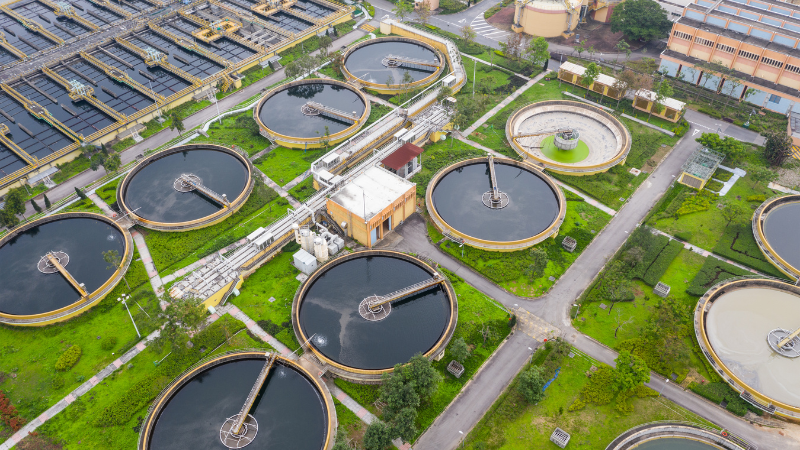
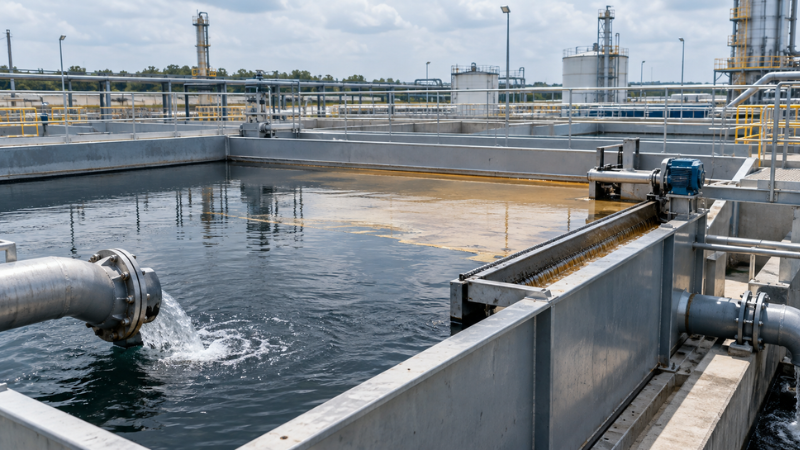
Treatment facilities must regularly clean tanks that contain sediments, biological deposits, and accumulated solids. Robotic cleaning supports maintenance while reducing confined-space risks.
Food and Beverage Processing
Food production facilities require strict hygiene standards. Consistent tank cleaning helps maintain sanitary conditions and supports quality management systems throughout production.
Power Generation and Heavy Industry
Industrial storage vessels used in power plants and manufacturing facilities require periodic cleaning to maintain operational efficiency and support routine equipment inspections.
Although compliance requirements differ across industries, reducing worker exposure, improving cleaning consistency, and maintaining maintenance records remain common objectives.
How Should Facilities Evaluate Tank Cleaning Robots?
Selecting Tank Cleaning Robots involves evaluating operational requirements rather than focusing solely on automation.
Key evaluation factors include:
Compatibility with tank size and geometry
Ability to clean the specific residue types present
Remote operation capabilities
Inspection and camera systems
Data recording and reporting functions
Safety features appropriate for the operating environment
Ease of maintenance and deployment
Facilities should also consider how robotic cleaning integrates with existing maintenance procedures, inspection schedules, and safety management systems.
The most suitable solution is not necessarily the one with the greatest number of automated features. Instead, the best choice is the system that consistently supports safe operations, effective cleaning, and documented compliance with operational requirements.
Conclusion
Tank Cleaning Robots are changing how industrial facilities approach maintenance by combining automation with improved safety, cleaning consistency, and operational transparency. Features such as remote operation, high-performance cleaning, integrated inspection, advanced safety systems, and digital documentation help support industrial compliance across sectors including oil and gas, chemical processing, wastewater treatment, food manufacturing, and heavy industry. Rather than viewing robotic cleaning as simply an automation upgrade, organizations should evaluate how these technologies contribute to safer maintenance practices, more reliable inspections, and better documentation. As industrial compliance requirements continue to evolve, Tank Cleaning Robots are becoming an increasingly important tool for maintaining safe, efficient, and well-documented tank cleaning operations.
FAQs
Q1. What are Tank Cleaning Robots?
A: Tank Cleaning Robots are remotely operated or automated machines designed to clean the interior of industrial storage and process tanks.
Q2. How do Tank Cleaning Robots improve industrial compliance?
A: Tank Cleaning Robots support industrial compliance by minimizing worker exposure to hazardous environments, delivering consistent cleaning performance, and generating maintenance records that assist with inspections and audits.
Q3. Which industries commonly use Tank Cleaning Robots?
A: Industries such as oil and gas, chemical manufacturing, water and wastewater treatment, food and beverage processing, and power generation widely use Tank Cleaning Robots.
Q4. Can Tank Cleaning Robots replace manual tank cleaning completely?
A: Not always. While Tank Cleaning Robots can perform most routine and hazardous cleaning tasks, some specialized maintenance or repair activities may still require trained personnel.
Q5. What features should businesses look for in Tank Cleaning Robots?
A: Businesses should consider remote operation, cleaning performance, integrated inspection systems, safety features, and data logging capabilities. Choosing a system that matches the tank type, residue characteristics, and compliance requirements leads to better long-term operational performance.