The chemical industry spans a vast spectrum of sectors—from inorganic and organic chemical manufacturing to fertilizer, petroleum refining, electroplating, pesticides, pharmaceuticals, and more—each generating effluents with unique and often complex compositions. Given this diversity, chemical wastewater can contain a mix of hazardous compounds that are difficult to treat with one-size-fits-all approaches. As a result, chemical wastewater demands specialized solutions capable of adapting to the distinct challenges posed by different industrial processes.
The first step toward effective treatment is identifying the common contaminants in chemical wastewater. Depending on the industry, these may include:
- • Heavy metals – chromium, lead, mercury, cadmium, nickel
-
- • Organic compounds – solvents, phenols, surfactants, volatile organic compounds (VOCs)
-
- • Synthetic dyes and colorants – from textiles, paper, and plastics
-
- • Pesticides and agrochemicals – toxic and often persistent in the environment
-
- • Pharmaceutical residues – antibiotics, hormones, and other active ingredients
-
Many of these pollutants are toxic, non-biodegradable, and resistant to conventional treatment, making them particularly challenging to manage without advanced solutions.
Limitations of Conventional Treatment for Chemical Effluents
Conventional wastewater treatment methods, such as sedimentation, coagulation-flocculation, or biological processes are often inadequate for chemical effluents. This is because:
- • Non-biodegradable pollutants – many solvents, pesticides, and dyes resist microbial degradation.
-
- • High toxicity – certain chemicals inhibit or kill microorganisms used in biological treatment.
-
- • Dissolved and stable compounds – heavy metals, surfactants, and VOCs often remain untreated.
-
- • Complex mixtures – effluents may contain multiple contaminants that require different treatment mechanisms.
-
- • Secondary pollution risks – incomplete removal can generate harmful byproducts or concentrated sludge.
-
These limitations highlight why chemical wastewater cannot rely on conventional methods alone and instead requires specialized or advanced treatment solutions.
How Advanced Technologies Drive Wastewater Treatment Efficiency
Some of the advanced separation and treatment techniques are increasingly used for chemical effluents to overcome the limitations of conventional systems. By applying targeted mechanisms, the advanced treatments enhance efficiency, minimize secondary waste, reduce operating costs, and help industries comply with stringent discharge norms.
Key methods include:
- • Advanced Oxidation Processes (AOPs)
Techniques such as ozonation or UV-based oxidation generate highly reactive hydroxyl radicals that can break down persistent organic compounds like solvents, phenols, pesticides, and pharmaceuticals. Unlike conventional treatment, which may only transfer pollutants from one phase to another, AOPs actually destroy them, often converting them into harmless end products like water and carbon dioxide. -
- • Membrane Technologies
Microfiltration, ultrafiltration, nanofiltration, and reverse osmosis offer precision separation, filtering out particles, dissolved salts, dyes, and even trace organics at the molecular level. These systems are compact, scalable, and capable of producing high-quality effluent suitable for reuse in industrial processes, thereby supporting water conservation goals. Membrane Bioreactors (MBRs), which integrate biological treatment with membrane filtration, are also gaining popularity for treating complex wastewater within a smaller footprint. -
- • Adsorption and Ion Exchange
Activated carbon, synthetic resins, zeolites, and other advanced adsorbents are widely used to capture contaminants such as dyes, solvents, heavy metals, and trace organics. Ion exchange resins, in particular, can selectively remove dissolved metals or specific ionic compounds, making them vital in industries such as electroplating, fertilizers, and pharmaceuticals where wastewater often contains high metal loads. -
- • Electrochemical Methods
Processes like electrocoagulation, electrooxidation, and electro-Fenton treatment apply electrical current to destabilize and remove suspended solids, oils, dyes, and refractory organic compounds. These methods reduce or even eliminate the need for additional chemical dosing, lower sludge generation, and are often more effective for highly toxic or resistant effluents. -
- • High-Rate Clarifiers
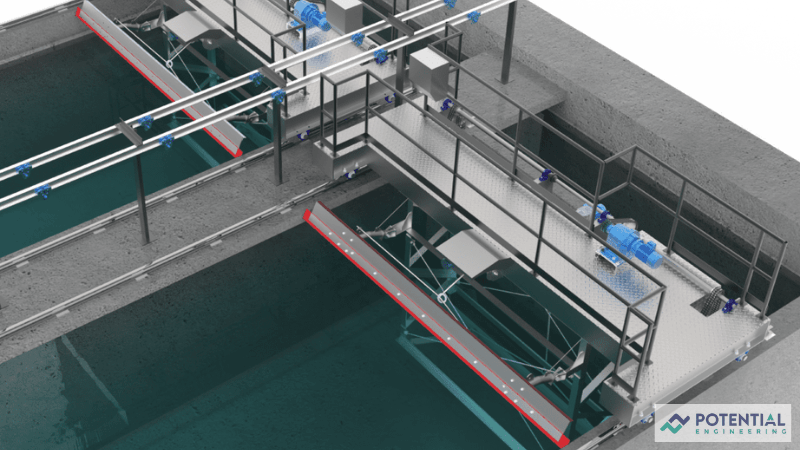
Unlike conventional sedimentation tanks, high-rate clarifiers use lamella plates, ballasted floc, or other design enhancements to accelerate settling and improve solids removal within a compact footprint. They are particularly useful for industries with space constraints or those needing high throughput. -
- • Zero Liquid Discharge (ZLD)
One of the most advanced approaches, ZLD ensures that no liquid effluent is discharged into the environment. Wastewater is treated, concentrated, and transformed into reusable water and solid byproducts. -
- • Hybrid Systems
Increasingly, industries are adopting a combination of methods to maximize treatment efficiency. For example, pairing membrane filtration with AOPs ensures both physical removal of particles and chemical breakdown of residual organics. Similarly, integrating adsorption with electrochemical processes allows for selective targeting of multiple contaminant groups, delivering higher removal efficiency while optimizing operating costs. -
With rising compliance demands, growing water scarcity, and operational pressures, conventional methods increasingly fall short. Advanced solutions, such as AOPs, membranes, electrochemical methods, high-rate clarifiers, hybrid systems, and Zero Liquid Discharge (ZLD), provide higher contaminant removal, improve efficiency, cut costs, and enable recycling.
The urgency is clear: Indian industries consume more water per unit of production than global benchmarks, while their water productivity lags behind developed nations (TERI, Benchmarking Industrial Water Use Efficiency in India). Globally, water demand is expected to exceed supply by 40% by 2030. This makes advanced wastewater management not just an improvement but a necessity for water security, resilience, and sustainable growth.
Supporting innovations like robotic tank cleaners are also reducing downtime and worker exposure while streamlining sludge management. By integrating advanced and supporting technologies, companies can ensure compliance, conserve resources, and strengthen their reputation—turning wastewater management into a lasting competitive advantage.
Frequently Asked Questions(FAQs)
Q1. Why is chemical wastewater treatment important?
A. Chemical wastewater treatment is important because it helps industries meet environmental regulations, reduces water pollution, safeguards aquatic ecosystems, and ensures wastewater is safe for reuse or safe disposal.
Q2. What are the main sources of chemical pollution?
A. The primary sources of chemical pollution include industrial waste, agricultural runoff, untreated sewage, mining activities, oil spills, and improper disposal of household or medical chemicals.
Q3. Why are spills, scum, and sludge harmful to the environment?
A. If not managed properly, spills, scum, and sludge can contaminate soil, water, and air. Spills spread toxic chemicals, scum clogs treatment systems, and sludge may release heavy metals or pathogens.