Contributing to SMEs’ Sustainable Growth: Cost-Effective Miscellaneous Wastewater Treatment Solutions

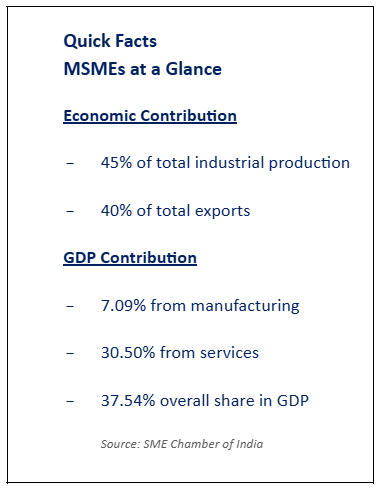
Small and medium industries (SMEs) are the backbone of every economy, driving innovation, job creation, and local development. Their growth potential remains strong as they adapt to evolving markets and global demand. Yet, with expansion comes the critical responsibility of managing resources wisely.
Efficient resource use and minimizing environmental impact are essential for sustainable growth. Many industrial sectors discharge wastewater containing oils, chemicals, solids, and organic matter, which, if left untreated, can damage ecosystems and increase compliance risks. Effective wastewater management is therefore essential, not only to support sustainability but also to ensure uninterrupted business growth.
Where Does SMEs Wastewater Come From
The composition of wastewater in small and medium industries varies widely, depending on raw materials and processes used. Common examples include:
- • Textiles and Dyeing Units: High loads of dyes, salts, starches, and finishing chemicals make effluents intensely colored and difficult to treat.
- • Food and Beverage Processing: Wastewater rich in fats, oils, grease (FOG), starch, and sugars increases BOD levels and can quickly turn septic.
- • Leather Tanning and Processing: Wastewater often contains hair, trimmings, grit, chromium, and sulphides, resulting in toxic and odorous effluents.
- • Paper and Pulp Mills: Characterized by lignin, cellulose fibres, fillers, and bleaching chemicals, leading to high volumes of wastewater with suspended solids.
- • Chemical and Pharmaceutical Units: Complex effluents with solvents, acids, alkalis, and hazardous or non-biodegradable compounds that require specialized treatment.
To tackle such diverse wastewater challenges, SMEs can make use of a range of pre-treatment and auxiliary solutions that prepare effluents for downstream treatment.
Miscellaneous Water Treatment Solutions for SMEs
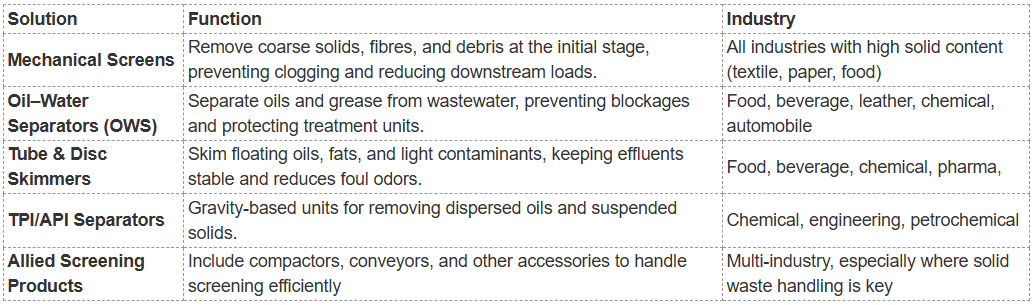
Miscellaneous water treatment processes may seem minor, but they play a crucial role in protecting core systems, enhancing efficiency, and reducing long-term costs for SMEs. The table below highlights some of these solutions, their key functions, and the industries where they are most applicable. As these industries rely on large volumes of water, such solutions become even more relevant and impactful.
Tailored Treatment Solutions to Reduce Costs
One of the biggest challenges for SMEs is balancing environmental responsibility with financial viability. Standard systems often lead to over-engineering, inefficient energy consumption, and higher operational costs. Tailored treatment solutions address these concerns by:
- • Right-sizing equipment – ensures SMEs only pay for the capacity they truly need.
- • Reducing chemical dependency – pre-treatment through skimmers, screens, and OWS lowers the need for expensive chemicals downstream.
- • Optimizing energy use – modular systems consume less power compared to large centralized plants.
- • Minimizing downtime – less clogging and fewer breakdowns improve overall equipment uptime.
By customizing solutions to specific wastewater loads, SMEs reduce costs while achieving more consistent performance.
What are the Technologies for Miscellaneous Wastewater Treatment
Given the variability of wastewater in SMEs, speed and efficiency are critical. Some technologies stand out for their ability to deliver results with minimal complexity:
- • API/TPI Separators – Quickly separate oils and suspended solids using simple gravity-based principles.
- • Disc and Tube Skimmers – Rapidly remove floating oils and FOG, preventing further treatment challenges.
- • Compact Mechanical Screens – Provide fast removal of fibres, plastics, and debris, reducing immediate treatment loads.
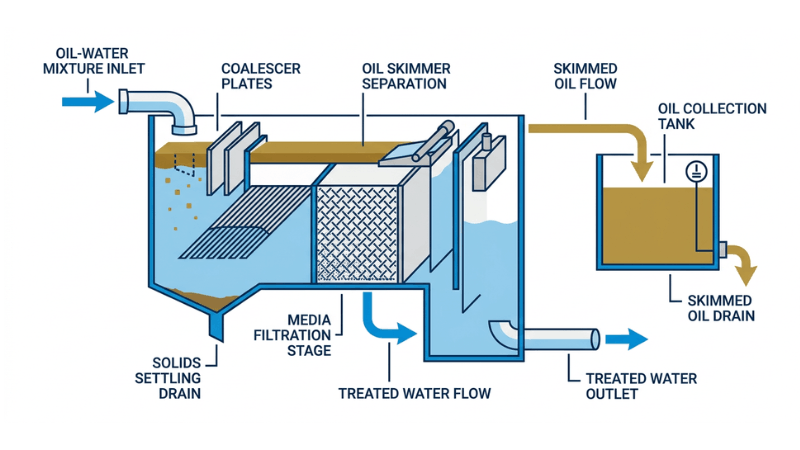
- • Oil Water Separators – A proven, quick-acting technology for industries where oily wastewater is a constant challenge.
- • Allied Conveying and Compaction Units – Ensure efficient handling of screenings without requiring heavy labor or additional time.
These solutions are ideal for SMEs’ as they are compact, user-friendly, and capable of delivering quick results without heavy infrastructure.
Miscellaneous Wastewater Treatment Benefits for SMEs
The true value of these solutions lies in the operational and financial advantages they bring to SMEs:
- • Improved Efficiency – Reduces pollutant load on core systems, ensuring smoother operations.
- • Lower Operating Costs – Prevents clogging, sludge build-up, and equipment damage, cutting down on maintenance.
- • Regulatory Compliance – Enables industries to meet discharge norms reliably, avoiding fines and penalties.
- • Good Practices and Standards – Standardized treatment methods improve environmental performance and build trust with regulators and communities.
- • Resource Recovery – Oils, fats, and solids skimmed from wastewater can often be recovered and reused.
- • Scalability and Flexibility – Compact, modular systems are well-suited to SMEs with limited space and budgets.
Small and medium industries remain vital drivers of economic development, but sustainable growth requires responsible resource management. By adopting efficient water treatment solutions—ranging from screens and skimmers to separators and allied systems, SMEs can strengthen compliance and unlock competitiveness. Cleaner operations lower costs, reduce risks, and strengthen stakeholder trust. Ultimately, water management is more than an environmental duty—it is a strategic investment that secures compliance, sharpens competitiveness, and ensures long-term business success.
Frequently Asked Questions (FAQs)
Q1. Why should SMEs invest in wastewater treatment solutions?
A. SMEs often face rising water costs, regulatory pressures, and operational inefficiencies. Wastewater treatment helps reduce long-term expenses, ensures compliance, and enhances operational efficient and sustainability.
Q2. Are wastewater treatment technologies affordable for small businesses?
A. Yes. Many modular and scalable systems are designed specifically for SMEs, allowing businesses to start small and expand as their operations grow.
Q3. What are the common wastewater challenges faced by SMEs?
A. SMEs typically deal with high organic loads, suspended solids, oil and grease, and chemical contaminants. These, if untreated, can cause equipment damage and regulatory issues.
Q4. How do miscellaneous treatment processes add value?
A. Though often overlooked, processes like oil-water separation, pH correction, and filtration protect core systems, improve efficiency, and reduce maintenance costs and down-time.
Q5. Do wastewater solutions differ across industries?
A. Yes. A textile unit, dairy plant, or metal workshop will have different effluent compositions. Solutions are customized to match the industry’s unique needs.
Q6. How do wastewater solutions impact a company’s brand?
A. Sustainable practices build trust with customers, investors, and regulators. SMEs adopting water efficiency often gain a competitive edge.
Q7. Where should SMEs start if they want to improve water efficiency?
A. Begin with an audit of current water use and wastewater streams. From there, small interventions—like oil-water separators or pH balancing, can deliver quick benefits.