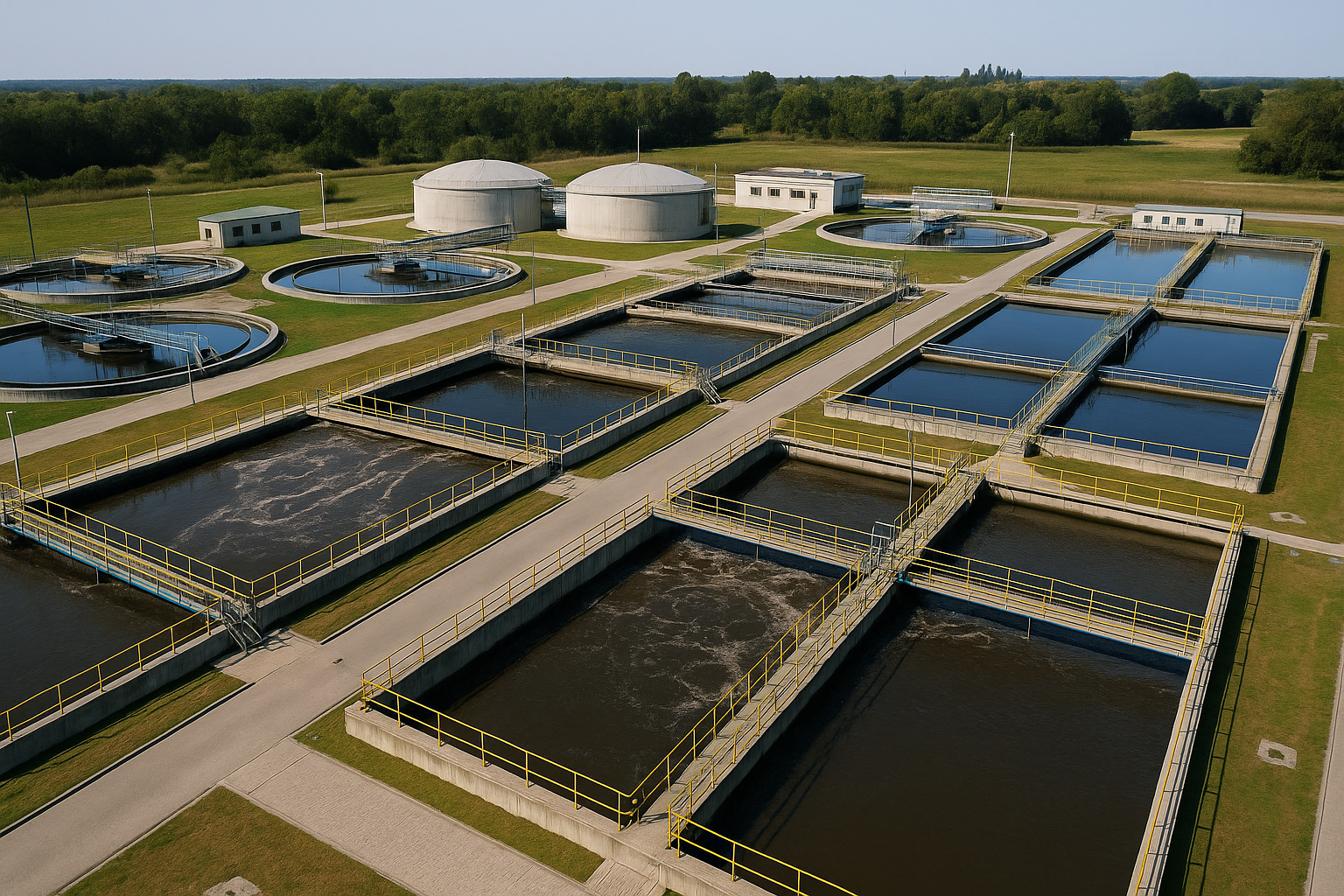
India’s cities are growing at breakneck speed, but with rapid urbanization comes a challenge that often stays invisible until it’s too late: municipal wastewater. As populations rise and water usage increases, treating wastewater is no longer optional; it’s a frontline necessity for public health, environmental protection, and sustainable development.
Modern engineering solutions are transforming how urban India manages its wastewater, helping municipalities reduce pollution, recover water, and build resilient infrastructure for the future. This blog breaks down what contaminants we’re dealing with, why cities must upgrade their systems, and how modern separation technologies boost efficiency like never before.
What Are the Major Contaminants in Municipal Wastewater?
Municipal wastewater isn’t just “dirty water.” It’s a complex blend of biological, chemical, and physical contaminants that require precise and efficient treatment.
1. Biological Contaminants
Municipal sewage is rich in microorganisms that pose direct risks to human health.
Common biological pollutants include:
Pathogenic bacteria like E. coli and Salmonella
Viruses including rotavirus and norovirus
Protozoa and helminths
Organic waste from households, hospitals, and commercial facilities
These contaminants increase the risk of waterborne diseases, making effective treatment essential.
2. Chemical Contaminants
With urban lifestyles and industries expanding, chemicals entering municipal sewage are rising drastically.
Typical chemical pollutants include:
Detergents and surfactants
Pharmaceutical residues
Heavy metals (lead, mercury, chromium)
Nutrients like nitrogen and phosphorus
Toxic industrial chemicals that often mix with civic drains
Many cities also receive indirect flows from industries, heightening the need for integrated systems that support both municipal and chemical wastewater treatment processes.
3. Physical Contaminants
These affect water clarity, quality, and overall treatability.
Examples include:
Efficient grit removal and screening systems are critical first steps for protecting downstream pumps, clarifiers, and aeration equipment.
Municipal wastewater treatment becomes essential because the presence of these contaminants – biological, chemical, and physical – directly affects environmental safety and public health. For deeper insights into combined treatment methods, refer to our guide on municipal wastewater treatment.
Why Do Cities Need Advanced Wastewater Infrastructure?
Urban wastewater loads are increasing at a rate many municipal systems were never designed to handle. Here’s why upgrading to advanced infrastructure is no longer a luxury, it’s a survival strategy for cities.
1. Rapid Urbanization and Overloaded Systems
India’s urban population is expected to reach 600 million by 2030. Existing sewage networks in many cities already operate beyond capacity, leading to:
Upgraded systems allow municipalities to handle higher loads with improved efficiency and reliability.
2. Environmental Protection and Resource Recovery
Untreated sewage is one of the largest pollutants in Indian rivers, including the Ganga and Yamuna.
Advanced wastewater infrastructure supports:
High-efficiency nutrient removal
Reuse-ready treated water for agriculture, landscaping, and industry
Recovery of sludge for biogas production
Cities that adopt advanced treatment technologies create circular ecosystems, reducing freshwater dependency.
3. Compliance With Evolving Regulations
Pollution Control Boards are tightening discharge norms. Cities must adopt:
Advanced solutions not only help meet standards but also extend the operational life of municipal assets.
4. Climate Resilience
Flooding, water scarcity, and erratic rainfall patterns are increasing.
Modern wastewater systems improve resilience through:
Improved stormwater integration
Greater load-handling capacity
Reduced contamination during extreme events
This is why the question why do cities need advanced wastewater infrastructure? has a simple answer: sustainability, safety, and long-term viability.
How Can Modern Separation Systems Improve Municipal Treatment Efficiency?
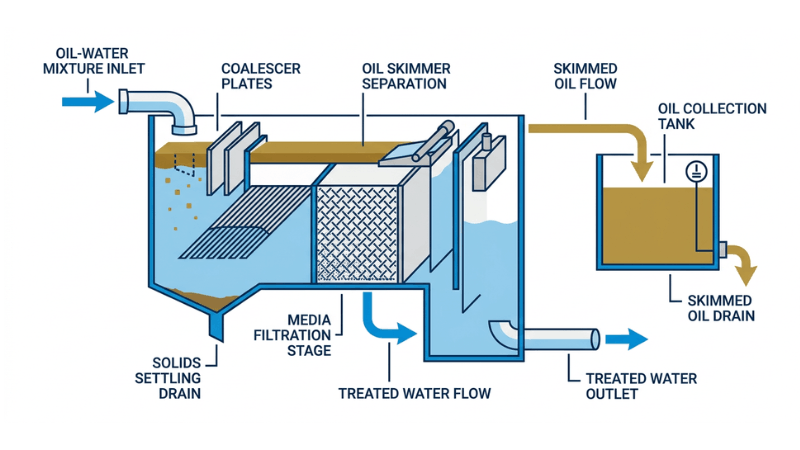
Separation technologies are at the heart of efficient wastewater treatment. Modern systems use innovation, automation, and energy-efficient designs to elevate municipal plant performance.
1. Enhanced Solid-Liquid Separation
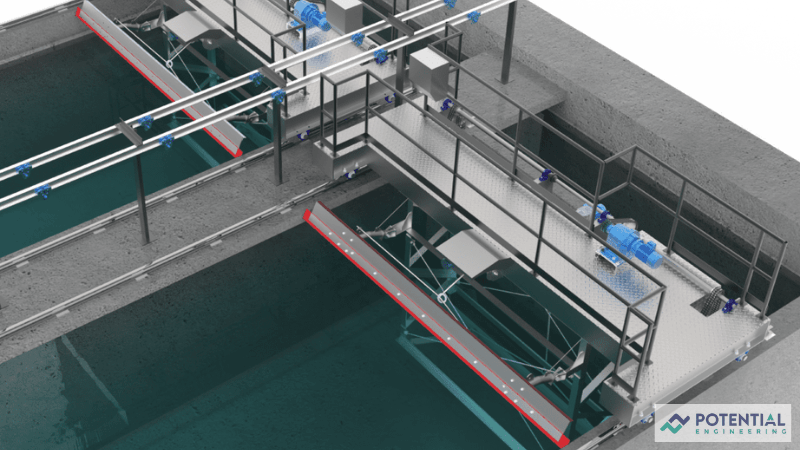
Primary and secondary clarifiers can only do so much when loads are high. Modern separation systems, including lamella clarifiers, dissolved air flotation (DAF), and high-efficiency screens, deliver:
These improvements directly elevate effluent quality.
2. Improved Treatment Reliability
Separation systems stabilize fluctuations in incoming sewage quality. Benefits include:
Consistent flow conditions
Reduced maintenance downtime
Improved biological treatment efficiency
For cities handling mixed flows from municipal and industrial sources, stable separation is crucial.
3. Support for Advanced Processes
Many tertiary systems such as ultrafiltration, MBRs, or UV disinfection require extremely low turbidity. Modern separation solutions:
This is how modern separation systems improve municipal treatment efficiency: by enabling downstream systems to operate with optimal performance and reduced costs.
4. Sustainability Advantages
Efficient separation reduces:
Energy usage
Chemical consumption
Carbon footprint
Because of this, modern separation systems align perfectly with sustainable wastewater and water treatment goals across smart cities in India.
Conclusion
Municipal wastewater treatment is no longer just an operational process, it’s a critical pillar of urban sustainability in India. With rising populations, degrading water quality, and the pressure to conserve freshwater, cities must adopt advanced wastewater treatment infrastructure supported by smart separation technologies.
By addressing biological, chemical, and physical contaminants effectively and by investing in modern equipment, Indian cities can safeguard public health, protect waterways, and build resilient ecosystems for the future.
Potential Engineering & Robotics continues to support this vision through innovative, energy-efficient, and future-ready wastewater solutions built for urban India.
Frequently Asked Questions(FAQs)
Q1. What are the major contaminants in municipal wastewater?
A: Municipal wastewater contains biological contaminants like bacteria and viruses, chemical pollutants such as detergents and pharmaceuticals, and physical impurities like plastics and suspended solids. All these require multistage treatment to ensure safe discharge.
Q2. Why do cities need advanced wastewater infrastructure?
A: Cities need advanced wastewater infrastructure to handle the rising load from urbanization, protect water bodies, meet environmental regulations, and improve climate resilience. Modern systems also enable water reuse and resource recovery.
Q3. How can modern separation systems improve municipal treatment efficiency?
A: Modern separation systems enhance solid-liquid separation, reduce sludge volumes, and enable tertiary processes like membrane filtration. They improve overall plant efficiency while lowering operating costs and environmental impact.
Q4. Is modern municipal wastewater treatment cost-effective?
A: Yes. Although advanced systems require investment, they reduce long-term costs by lowering energy consumption, minimizing downtime, and enabling water reuse, which is economically and environmentally beneficial.
Q5. Can wastewater be reused safely after treatment?
A: Absolutely. With the right combination of biological treatment, separation technologies, and tertiary filtration, treated wastewater can be safely reused for agriculture, landscaping, cooling towers, and even certain industrial processes.