Effective wastewater treatment is a cornerstone of environmental protection. When treatment systems are poorly maintained, outdated, or altogether absent, wastewater becomes a significant source of contamination—polluting rivers, lakes, coastal waters, and groundwater systems. These failures not only disrupt natural ecosystems and endanger aquatic species, but also pose serious health risks to humans through the spread of waterborne diseases.
What Happens When Wastewater Is Untreated?
Untreated wastewater leads to progressively worsening environmental damage, starting with localized pollution and expanding to long-term ecosystem degradation.
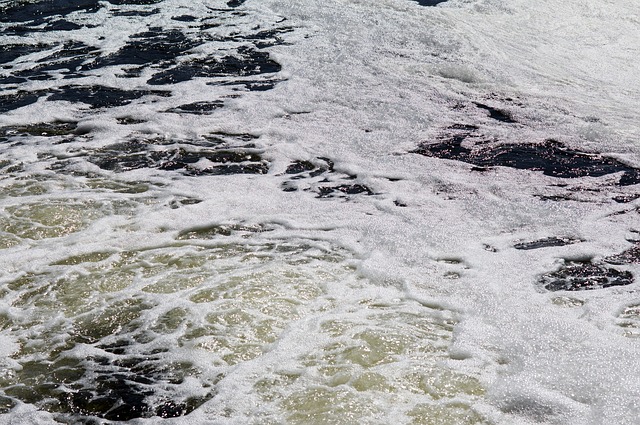
When discharged directly into water bodies, untreated wastewater introduces high levels of organic matter, pathogens, nutrients, and chemicals. This results in foul odors, visible discoloration, and deterioration of key water quality parameters such as dissolved oxygen.
As organic waste decomposes, it consumes oxygen in the water, creating low-oxygen zones (hypoxia). Aquatic species, particularly fish and sensitive invertebrates struggle to survive, often leading to large-scale biodiversity loss.
Pathogens from untreated sewage can enter drinking water supplies and recreational waters, increasing the risk of disease outbreaks. Communities near discharge points face the highest levels of exposure.
Over time, industrial toxins and heavy metals present in untreated wastewater settle in sediments or accumulate in aquatic organisms. These pollutants can persist for decades, entering the food chain and posing chronic health risks to both wildlife and humans.
In areas with inadequate drainage or unlined canals, contaminants can infiltrate soil and reach underground aquifers. Groundwater pollution is particularly dangerous, as it is difficult and costly to remediate.
How Does Poor Treatment Affect Ecosystems?
Poor wastewater treatment involves the use of outdated, overloaded, or inefficient systems that fail to adequately remove contaminants. Such systems may lack the capacity to eliminate nutrients, pathogens, or industrial pollutants, and may even discharge untreated water during high-flow conditions.
When these inadequately treated effluents reach natural environments, the ecological consequences can be severe. Excess nutrients, mainly nitrogen and phosphorus fuel eutrophication, leading to algal blooms. These blooms block sunlight, suffocate underwater plants, and upon decomposition, create oxygen-depleted zones where most aquatic life cannot survive.
Toxic pollutants such as heavy metals, solvents, detergents, and pharmaceutical residues contaminate water at all levels. These chemicals interfere with reproduction, development, and behavior in aquatic species and can bioaccumulate in the food chain, reaching predators like birds, mammals, and even humans.
In coastal and estuarine ecosystems, wastewater discharge places coral reefs and mangrove forests under stress. Corals are highly sensitive to nutrient-driven algal overgrowth and chemical shifts in water chemistry, while mangroves suffer from organic overload and salinity imbalance. These habitats are not only biodiversity hotspots but also serve critical roles in shoreline protection and as nursery grounds for marine species. Healthy mangroves additionally contribute to oxygenating coastal waters, supporting aquatic life and helping maintain ecological stability.
Ultimately, poor wastewater management erodes the natural self-cleaning capacity of aquatic ecosystems and leaves behind long-term environmental damage.
What Pollutants Are Commonly Released Without Treatment?
Untreated or poorly treated wastewater often carries a wide range of harmful pollutants, depending on whether the source is residential, industrial, or agricultural. These pollutants can accumulate, interact, and amplify both environmental and public health risks.
Nutrients
Nitrogen and phosphorus—commonly found in domestic sewage, fertilizers, and food processing waste—are primary contributors to eutrophication and harmful algal blooms.
Pathogens
Microorganisms such as E. coli, Salmonella, hepatitis viruses (e.g., Hepatitis A and E), and protozoa are frequently found in untreated sewage. These pathogens can infect humans and animals through contaminated water used for drinking, bathing, or recreation. Multiple global outbreaks have been traced back to sewage-related contamination, as documented by the World Health Organization and other public health agencies.
Heavy Metals
Metals like mercury, lead, cadmium, chromium, and arsenic often released from industrial processes do not degrade naturally. They accumulate in sediments and aquatic life, posing persistent health threats.
Hydrocarbons and Oils
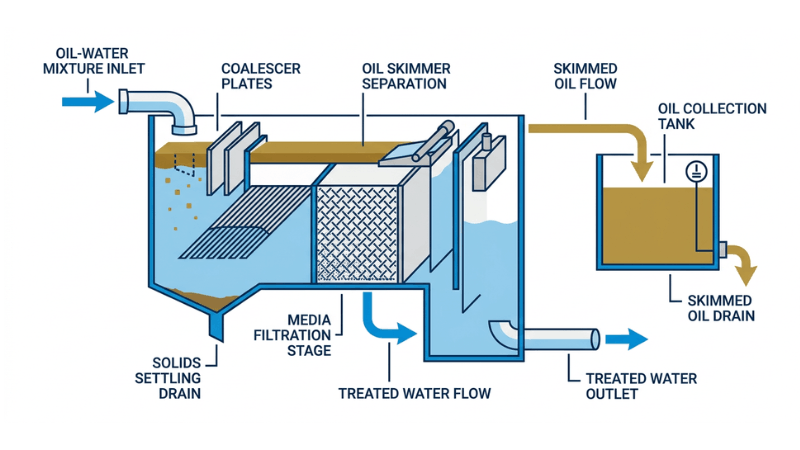
Wastewater from vehicle washing, food processing, and industrial activities may contain hydrocarbons, greases, and oils. These form surface films, hinder oxygen exchange, and suffocate aquatic organisms.
Emerging Contaminants
Pharmaceuticals, hormones, and personal care products (PPCPs) are now regularly detected in wastewater. Even in trace amounts, they can alter hormonal balance, behavior, and reproduction in aquatic organisms.
Suspended Solids and Sediments
High levels of suspended solids cloud water and block sunlight, while settled sediments can smother benthic (bottom-dwelling) habitats and serve as carriers for pathogens and toxins.
The Bottom Line
The environmental consequences of ineffective wastewater treatment extend far beyond direct water pollution. They threaten biodiversity, human health, food security, and economic stability. As regulatory frameworks tighten and ecosystems grow more fragile, prioritizing wastewater treatment is no longer optional—it is a critical step toward environmental sustainability, public safety, and long-term business resilience.
Frequently Asked Questions(FAQs)
Q1. What can be done to reduce trash in the ocean?
A. Reducing trash in the ocean involves proper waste disposal, minimizing the use of single-use plastics, participating in and supporting beach and ocean cleanup initiatives, and promoting recycling.
Q2. Why is oil and grease removal important in wastewater treatment?
A. Oil and grease can clog pipes, damage treatment equipment, and disrupt biological processes in treatment plants. Proper wastewater oil and grease removal improves system efficiency and ensures compliance with environmental regulations.