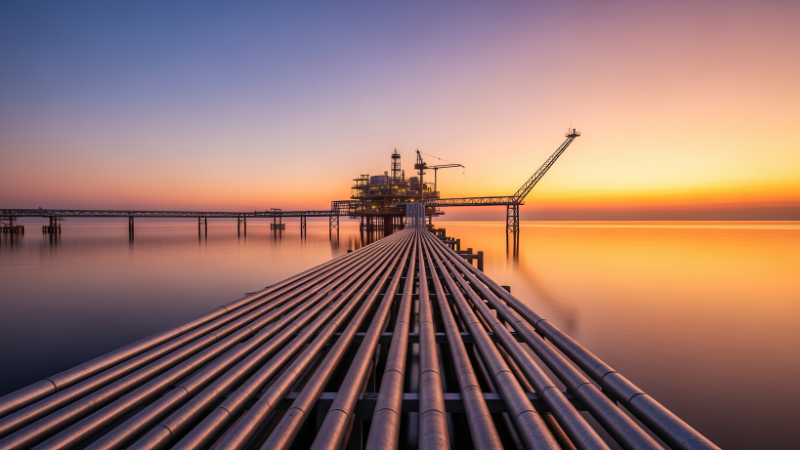
Industrial pipelines carry water, oil, gas, and chemicals that keep operations running. But here’s the reality, most leaks don’t start as disasters. They start small, unnoticed, and quietly expensive.
The real risk isn’t just product loss. It’s downtime, environmental damage, regulatory pressure, and long-term asset degradation. By the time a leak becomes visible, the damage is already multiplied.
In simple terms: pipeline leakage detection helps industries catch problems early, prevent environmental harm, and avoid costly operational failures.
What Makes Pipeline Leakage a Serious Infrastructure Risk?
Pipeline leakage is not just a maintenance issue, it’s a system-level failure that impacts operations, compliance, and sustainability.
Industrial pipelines rely on stable pressure, continuous flow, and structural integrity. When a leak occurs, it disrupts all three. What starts as a minor fault can quickly escalate into production losses, contamination risks, and emergency shutdowns.
A proactive pipeline leakage strategy allows operators to detect issues early and prevent escalation instead of reacting after damage is done.
What Are the Common Causes of Pipeline Leakage?
Pipeline leakage typically results from a combination of physical wear, operational stress, and design flaws. Understanding these causes helps prevent failures before they occur.
Corrosion and material degradation
Corrosion weakens pipeline walls over time due to moisture, chemicals, and environmental exposure. As thickness reduces, the risk of leakage increases significantly.
Poor joints, seals, and welds
Improper welding or weak seals create vulnerable points in the system. These defects may not fail immediately but can deteriorate under pressure and vibration.
Pressure surges and hydraulic stress
Sudden pressure fluctuations from pumps or valve operations can strain pipelines. Repeated stress leads to fatigue and eventual cracking.
Mechanical damage and external interference
Construction activities, vehicle movement, or ground shifts can damage pipelines. Even minor impact can create slow leaks that worsen over time.
Aging infrastructure and material fatigue
Older pipelines are more prone to leaks due to long-term wear. Materials weaken, and protective systems degrade, increasing failure probability.
Poor installation or design flaws
Incorrect material selection, poor alignment, or inadequate support during installation can create long-term leak risks.
How Can Early Leak Detection Prevent Environmental Damage?
The impact of a pipeline leak depends heavily on how quickly it is detected. Faster detection means less damage.
Reducing soil and groundwater contamination
Early detection limits the volume of leaked fluid entering the ground. This prevents deep contamination that is difficult and expensive to remediate.
Limiting surface spread and runoff
Quick action helps contain leaks before they spread across facilities or into drainage systems, reducing wider environmental exposure.
Supporting regulatory compliance
Fast response enables operators to isolate leaks, document actions, and meet environmental compliance requirements effectively.
Protecting communities and ecosystems
Leaks can extend beyond industrial boundaries. Early detection ensures quicker containment, protecting nearby communities and natural resources.
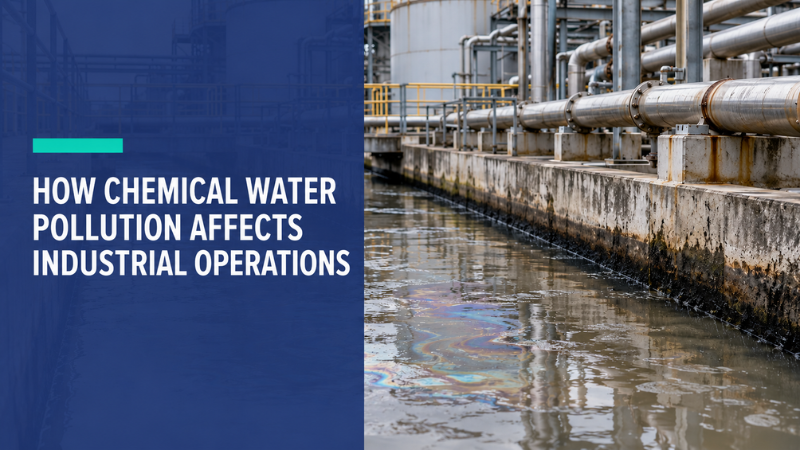
This is especially critical in scenarios involving chemical spills, where delayed action can significantly increase environmental impact.
Which Technologies Are Used for Pipeline Leakage Monitoring?
Modern leak detection uses a combination of sensors, analytics, and monitoring systems to identify issues early and accurately.
Pressure and flow monitoring
Sensors detect abnormal pressure drops or flow inconsistencies, which often indicate leaks.
SCADA-based monitoring
SCADA systems centralize real-time data, allowing operators to track pipeline behavior and detect anomalies quickly.
Acoustic and vibration sensing
Leaks produce unique sound patterns that specialized sensors can detect, even when leaks are not visible.
Fiber optic sensing
Fiber optic cables monitor temperature, strain, and acoustic changes across long pipeline distances, making them ideal for large-scale infrastructure.
Smart pigging and internal inspection
Inspection tools travel inside pipelines to detect corrosion, cracks, and structural weaknesses before leaks occur.
AI and anomaly detection
AI systems analyze large datasets to identify patterns and flag irregular behavior faster than manual monitoring.
For industries requiring advanced monitoring strategies, oil and gas solutions can help align technology with operational needs.
How Does Smart Leak Detection Improve Operational Efficiency?
Leak detection is not just about safety, it directly impacts performance and profitability.
Reduced downtime
Early detection prevents full system shutdowns by isolating issues before they escalate.
Lower maintenance costs
Planned repairs are significantly cheaper than emergency fixes triggered by major leaks.
Extended asset lifespan
Continuous monitoring helps prevent damage from becoming permanent, improving infrastructure longevity.
Why Sustainability Depends on Strong Leak Monitoring
Sustainability is not only about energy efficiency, it’s also about minimizing waste and preventing environmental harm.
Pipeline leaks result in resource loss, contamination, and increased cleanup requirements. Effective monitoring reduces waste, protects ecosystems, and supports responsible industrial operations.
Strong leak detection systems help industries align with long-term sustainability goals while maintaining operational efficiency.
How Should Industrial Teams Build a Leak Detection Strategy?
An effective leak detection strategy combines technology, monitoring, and response planning.
Identify high-risk pipelines
Select monitoring tools based on fluid and infrastructure type
Set realistic alert thresholds
Train teams for rapid response
Continuously review and improve system performance
The goal is simple: detect early, act fast, and minimize impact.
Key Facts
Main risk reduced: Environmental contamination
Core benefit: Faster response to pipeline anomalies
Common technologies: SCADA, sensors, fiber optics, AI
Best approach: Layered monitoring strategy
Frequently Asked Questions (FAQs)
Q1. What are the most common signs of pipeline leakage?
A: Signs include sudden pressure drops, abnormal flow readings, unexplained product loss, and unusual acoustic signals. Visible indicators may include wet spots, odor, or surface contamination.
Q2. What are the common causes of pipeline leakage?
A: Common causes include corrosion, faulty welds, seal failures, pressure fluctuations, mechanical damage, and aging infrastructure.
Q3. How can early leak detection prevent environmental damage?
A: Early detection reduces the volume of leaked material, preventing widespread contamination and making cleanup faster and more manageable.
Q4. Which technologies are used for pipeline leakage monitoring?
A: Industries use pressure and flow sensors, SCADA systems, acoustic monitoring, fiber optics, smart pigging, and AI-driven analytics for effective leak detection.
Q5. Is leak detection important for chemical and hydrocarbon pipelines?
A: Yes. These pipelines carry high-risk substances, and early leak detection is critical to prevent environmental damage, safety hazards, and regulatory issues.