Remote operated vehicles make inspection and maintenance faster, safer, and more consistent in places people should not enter routinely. They reduce downtime, improve data quality, and help teams inspect hard-to-reach assets with less risk and disruption.
What remote operated vehicles do in inspection and maintenance
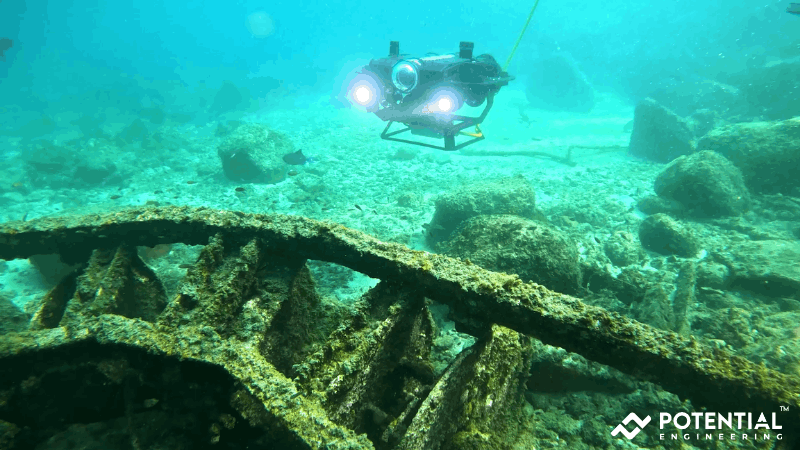
Remote operated vehicles, often called ROVs, are controlled from a safe location while they move through water, tanks, pipelines, or other restricted spaces. They carry cameras, sensors, lights, and sometimes cleaning or sampling tools to collect visual and technical information without direct human entry.
This changes inspection work in three major ways. It reduces exposure, speeds up access, and captures repeatable data that supports better maintenance decisions.
How do ROVs reduce the need for manual inspection?
ROVs cut manual inspection by taking over the highest-risk and most time-consuming parts of the job. Instead of sending workers into confined or submerged areas, teams can view live footage and sensor readings from the surface or a control station.
They reduce manual work through:
Live video inspection of inaccessible areas
Sensor-based data collection without direct entry
Faster coverage of large or complex spaces
Fewer shutdowns for access preparation
Reduced need for scaffolding, diving, or confined-space permits
This is especially valuable in assets that need frequent checks. Repetitive manual access is expensive, slow, and often introduces unnecessary operational risk.
Why does this improve maintenance efficiency?
Maintenance becomes more efficient when teams know exactly where a problem is and how severe it looks before sending in workers. ROVs help identify corrosion, blockage, cracks, leaks, sediment buildup, and biological growth earlier in the process.
That means maintenance crews can plan targeted repairs instead of doing broad exploratory work. It also lowers the chance of over-servicing equipment that does not actually need intervention.
Why ROVs are safer for confined and underwater spaces
Confined and underwater environments are dangerous because visibility is poor, access is limited, and emergency rescue is difficult. ROVs remove people from those conditions while still allowing inspection to continue.
This is one of the biggest reasons ROV adoption keeps growing. Safety improvement is not a side benefit here; it is the core advantage.
ROVs are safer because they keep personnel out of high-risk zones. In confined spaces, hazards can include toxic gases, low oxygen, sudden flooding, sharp edges, and entrapment. Underwater environments add pressure, currents, poor visibility, and equipment entanglement risks.
They improve safety by:
Removing human entry from hazardous spaces
Reducing exposure to toxic, oxygen-deficient, or submerged areas
Limiting rescue complexity during emergencies
Avoiding dive-related or confined-space-related incidents
Allowing operators to work from a controlled surface location
This safety model is especially important for inspections that need to happen regularly. A safer process is also a more reliable process, because teams can inspect more often without building major worksite risk into every job.
What kind of spaces are best suited for ROV inspection?
ROVs work well in:
Tanks and reservoirs
Sewers and drainage systems
Pipelines and culverts
Harbors, docks, and offshore structures
Industrial sumps and chambers
Cooling water systems
These spaces often combine restricted access with expensive downtime. That is exactly where remote inspection creates the most value.
How ROVs improve data quality and decision-making
ROVs do more than replace manual access. They improve the quality of the inspection itself by making data collection more consistent and easier to document.
A person entering a space may only have a short inspection window and limited visibility. An ROV can revisit the same path, capture steady footage, and record images from multiple angles.
Better data means better maintenance planning
When inspection data is clearer, maintenance teams can prioritize repairs more accurately. They can also compare current conditions with previous inspections to track deterioration trends.
Useful outputs often include:
This supports predictive and preventive maintenance strategies. It also helps reduce guesswork, which is where a lot of maintenance budgets quietly go to die.
Why repeatability matters
Repeatability matters because it lets teams compare one inspection to the next. If the same route, camera position, and reporting structure are used each time, changes become easier to spot.
That makes it simpler to identify whether a crack is stable, a blockage is growing, or corrosion is spreading. In maintenance, visibility is power.
Which industries benefit most from ROV technology?
Many sectors use ROVs, but industries with submerged, enclosed, or hard-to-access assets see the biggest gains. The more difficult the inspection environment, the stronger the efficiency advantage.
The industries that benefit most include:
Water and wastewater treatment
Marine and offshore operations
Oil and gas
Power generation
Ports and shipping
Civil infrastructure and utilities
Aquaculture
These sectors often depend on equipment that cannot be shut down easily. ROVs help keep inspection moving without forcing major interruptions.
Water and wastewater facilities
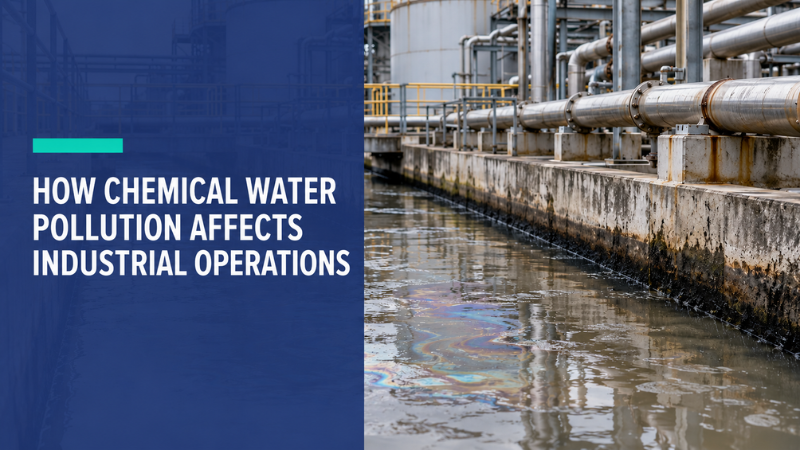
In water and wastewater systems, ROVs inspect tanks, clarifiers, channels, intake structures, and submerged components. They help locate sludge buildup, structural damage, and obstructions while reducing the need for dewatering or entry.
This is especially useful in systems where service continuity matters. Fewer shutdowns usually means better operational efficiency and lower cost.
Marine and offshore assets
Harbors, piers, hulls, underwater supports, and offshore structures all benefit from remote inspection. ROVs can check for biofouling, corrosion, impact damage, and sediment buildup without requiring divers for every task.
That saves time and improves scheduling flexibility. It also reduces weather and visibility limitations that often affect manual underwater inspections.
Oil, gas, and energy assets
ROVs are used to inspect submerged pipelines, intake structures, and marine-based energy assets. They help identify defects early and reduce the need for human exposure in remote or hazardous locations.
For energy operations, this means more uptime and better asset monitoring. It also supports maintenance planning in places where access is expensive or technically difficult.
The operational advantages of ROV-based maintenance
ROVs do not just make inspection safer. They also improve the overall maintenance workflow by reducing delays, labor intensity, and coordination overhead.
Faster inspection cycles
Because ROVs are quicker to deploy than many manual access methods, inspections can happen more often. That creates a tighter feedback loop between asset condition and maintenance response.
Faster cycles help teams:
In practical terms, that means less firefighting and more planned maintenance.
Lower manpower burden
Traditional inspection in difficult environments often requires multiple people, specialized safety controls, and time-consuming setup. ROVs reduce the number of people needed on site for the inspection phase.
That does not eliminate skilled labor. It shifts labor toward analysis, planning, and controlled intervention, which is usually a much better use of human expertise.
Reduced operational disruption
A major maintenance challenge is balancing inspection needs with service continuity. ROVs help solve that by allowing more inspections without full shutdowns or large-scale access preparation.
That matters in facilities where downtime has direct financial or service consequences. Less disruption usually means better efficiency across the whole asset lifecycle.
How ROVs fit into modern maintenance strategy
ROVs are most effective when they are part of a structured maintenance program, not a one-off emergency tool. They work best alongside routine monitoring, condition assessment, and planned repair cycles.
They also support digital asset management by creating records that can be reviewed over time. That makes them useful for both operational teams and technical decision-makers.
Where ROVs add the most value
ROVs add the most value when:
Access is difficult or dangerous
Inspections must be repeated often
Downtime is costly
Visual confirmation is needed before repairs
Data consistency matters for long-term tracking
This is why many organizations see ROVs as an efficiency tool rather than just an inspection device. They improve both safety and planning.
Conclusion
Remote operated vehicles improve inspection and maintenance efficiency by reducing manual entry, improving safety in confined and underwater spaces, and delivering more reliable inspection data. They are especially valuable in industries such as water treatment, marine operations, and energy infrastructure, where access challenges and downtime can quickly raise costs. In modern maintenance planning, remote operated vehicle technology provides a smarter way to inspect, document, and maintain critical assets, while related systems such as robotic lifebuoy and floating bot show how remote automation is expanding across field operations.
Frequently Asked Questions (FAQs)
Q1. What is a remote operated vehicle used for in inspection work?
A: A remote operated vehicle is used to inspect areas that are difficult, dangerous, or impractical for people to enter. It helps capture video, images, and sensor data from confined or underwater environments while keeping operators at a safe distance.
Q2. How do ROVs reduce the need for manual inspection?
A: ROVs reduce manual inspection by replacing direct human entry with remote visual and sensor-based assessment. This lowers exposure risk, speeds up inspection, and reduces the need for scaffolding, diving, or confined-space access procedures.
Q3. Why are ROVs safer than manual inspection methods?
A: ROVs are safer because they keep people out of hazardous environments such as submerged spaces, tanks, and pipelines. They reduce exposure to toxic gases, low oxygen, flooding, and other physical risks that can make manual inspection dangerous.
Q4. Which industries benefit most from ROV technology?
A: Industries with submerged or hard-to-access infrastructure benefit most from ROV technology. Water and wastewater, marine, offshore energy, ports, and civil infrastructure are strong examples because they often need frequent inspections with minimal disruption.
Q5. Can ROV inspections improve maintenance planning?
A: Yes. ROV inspections provide consistent visual records and technical data that help teams identify defects earlier and plan repairs more precisely. That leads to more efficient maintenance schedules and fewer emergency interventions.