Tube oil skimmer performance depends on several interconnected factors, including oil viscosity, operating temperature, installation setup, maintenance practices, and environmental conditions. Understanding these factors helps improve oil recovery rates, reduce maintenance issues, and increase the efficiency of wastewater oil removal systems.
Industrial facilities often expect an oil recovery system to perform consistently under varying operating conditions. However, even a well-designed tube oil skimmer can experience reduced efficiency if installation, operating parameters, or maintenance practices are overlooked. This article explains the seven most important factors influencing tube oil skimmer efficiency and provides practical guidance for maximizing recovery performance.
What is a tube oil skimmer and how does it work?
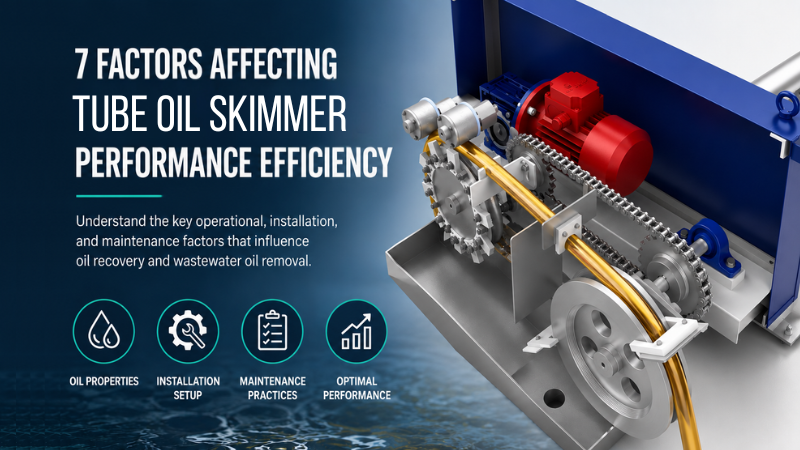
A tube oil skimmer is a mechanical oil recovery device designed to remove floating oil from the surface of water or other process liquids. The system uses a continuous floating tube that attracts oil while repelling most water. As the tube travels through the liquid, oil adheres to its surface and is scraped off into a collection container.
Because tube oil skimmers selectively recover floating oil, they are widely used for wastewater oil removal in manufacturing plants, machining facilities, power plants, food processing industries, and metalworking operations.
A typical tube oil skimmer consists of:
The effectiveness of the system depends not only on its design but also on how well it matches the operating environment.
Why does oil viscosity affect tube oil skimmer efficiency?
Oil viscosity determines how easily oil adheres to the collection tube and separates from the water surface. Viscosity changes with temperature, making both properties closely related.
Very low-viscosity oils spread quickly across the water surface. Although these oils are easy to contact, they may form thinner films that reduce the amount collected during each cycle.
High-viscosity oils, on the other hand, cling strongly to the tube but may become difficult to scrape efficiently if the oil is extremely thick.
How does temperature influence oil viscosity?
Temperature directly changes the physical properties of oil.
Higher temperatures generally reduce viscosity, allowing oil to flow more freely.
Lower temperatures increase viscosity, causing oil to become thicker and slower to move across the liquid surface.
For many industrial applications:
Operating temperature range:
20°C–50°C (varies depending on oil type)
Maintaining a relatively stable process temperature often improves oil skimmer efficiency by creating predictable recovery conditions.
For example, machining coolant systems operating during winter may experience slower oil recovery because hydraulic oil thickens significantly at lower temperatures.
How does oil layer thickness influence recovery performance?
The thickness of the floating oil layer directly affects recovery capacity.
A thick oil layer allows the collector tube to remain in continuous contact with oil throughout its rotation, increasing collection efficiency.
Conversely, an extremely thin oil film may cause intermittent oil pickup, reducing overall recovery rates.
Oil layer thickness may fluctuate because of:
Process discharge cycles
Equipment startup and shutdown
Intermittent leaks
Rainwater dilution in outdoor systems
Agitation from pumps or mixers
Regular monitoring helps determine whether operating conditions remain suitable for consistent oil recovery.
Why are installation depth and tube alignment important?
Correct installation ensures that the collector tube maintains stable contact with the oil layer throughout operation. Poor installation can significantly reduce the effectiveness of even a high-quality industrial oil skimmer.
The floating tube should travel smoothly without excessive bending, rubbing, or twisting.
Improper installation may lead to:
What is the correct installation depth?
The collection tube should float naturally on the liquid surface while maintaining sufficient immersion to contact the oil layer consistently.
Excessive immersion increases water pickup.
Insufficient immersion reduces oil contact.
Manufacturers typically provide recommended installation dimensions based on tank geometry and tube length.
How does belt or tube tension affect skimmer operation?
Proper tube tension keeps the collector moving smoothly through the system.
Although tube oil skimmers do not use flat belts like belt oil skimmers, maintaining correct tube tension remains equally important.
If the tube is too loose, problems may include:
If the tube is over-tightened, operators may experience:
Routine inspection ensures the tube remains properly tensioned throughout its service life.
Why does maintenance have such a large impact on recovery rates?
Preventive maintenance keeps an oil recovery system operating at its designed efficiency.
Even minor contamination buildup can gradually reduce oil collection performance without immediately becoming noticeable.
Routine inspections should include:
Cleaning scraper blades
Checking tube condition
Inspecting motor operation
Removing accumulated sludge
Verifying mounting hardware
Examining oil collection trays
Ignoring maintenance often results in declining oil skimmer efficiency long before complete equipment failure occurs.
Which components require the most frequent inspection?
Several components experience continuous mechanical contact during operation.
These include:
Floating collection tube
Scraper blades
Drive rollers
Bearings
Motor couplings
Replacing worn components before failure helps maintain consistent recovery performance while reducing unplanned downtime.
How do contaminants and water conditions influence performance?
The composition of the wastewater significantly affects how efficiently floating oil can be recovered.
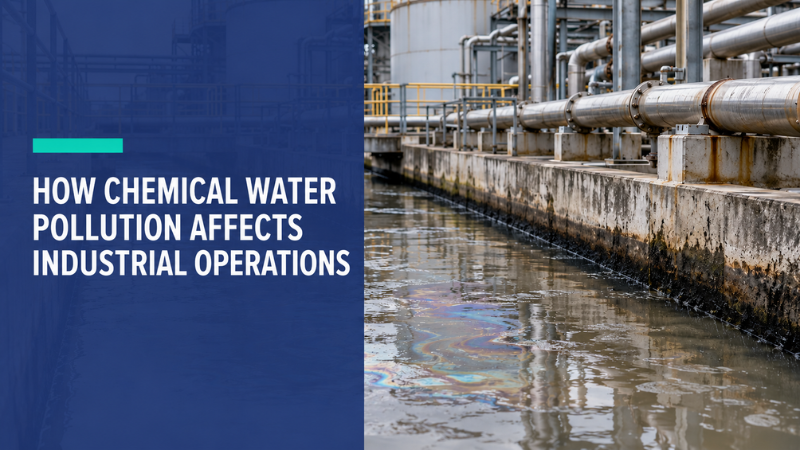
Large amounts of suspended solids, metal chips, sludge, or debris may interfere with tube movement or contaminate the collected oil.
Similarly, chemical additives can change oil behavior.
Examples include:
Detergents
Surfactants
Emulsifiers
Cleaning chemicals
These substances may cause oil to emulsify rather than float freely.
When oil becomes emulsified, mechanical skimming becomes much less effective because the oil no longer forms a distinct surface layer.
Understanding the characteristics of the wastewater stream is therefore essential before selecting or evaluating an industrial oil skimmer.
Why do operating conditions influence long-term efficiency?
Operating conditions vary considerably between industries.
Factors such as tank geometry, flow patterns, turbulence, and equipment operating schedules all influence recovery performance.
Excessive turbulence continuously mixes floating oil into the liquid, reducing the amount available at the surface.
Common sources of turbulence include:
Where possible, locating the tube oil skimmer in relatively calm sections of a tank allows floating oil to accumulate naturally before collection.
Similarly, maintaining consistent operating schedules helps achieve stable recovery rates because oil accumulation follows predictable patterns.
Real-world applications often demonstrate that optimizing installation and operating conditions can improve recovery consistency without modifying the skimmer itself.
Conclusion
A tube oil skimmer delivers the best results when operating conditions, installation practices, and routine maintenance work together. Oil viscosity, temperature, oil layer thickness, installation depth, tube tension, wastewater characteristics, and preventive maintenance all play important roles in determining oil skimmer efficiency. Understanding these seven factors helps operators improve the performance of an industrial oil skimmer, increase the effectiveness of an oil recovery system, and support more reliable wastewater oil removal. Rather than focusing on a single adjustment, evaluating the complete operating environment provides the most effective approach to achieving consistent oil recovery and extending equipment service life.
FAQs
Q1. What is the ideal operating temperature for a tube oil skimmer?
A: There is no single ideal temperature because it depends on the type of oil being recovered. However, maintaining a stable operating temperature helps ensure consistent oil viscosity, which improves tube oil skimmer performance and overall oil skimmer efficiency.
Q2. Can a tube oil skimmer remove emulsified oil?
A: No. A tube oil skimmer is designed to recover free-floating oil from the liquid surface. When oil becomes emulsified due to detergents, surfactants, or mechanical agitation, additional treatment methods are generally required for effective wastewater oil removal.
Q3. How often should a tube oil skimmer be maintained?
A: Maintenance frequency depends on operating hours, oil contamination levels, and the industrial environment. Regular inspections of the collector tube, scraper blades, and drive components help maintain the performance of the oil recovery system and prevent unexpected downtime.
Q4. Why is installation depth important for tube oil skimmer performance?
A: Proper installation depth allows the collector tube to remain in consistent contact with the floating oil layer while minimizing water pickup. Incorrect installation can reduce recovery rates, increase wear, and lower the efficiency of an industrial oil skimmer.
Q5. Does oil viscosity affect oil recovery rates?
A: Yes. Oil viscosity determines how well oil adheres to the collection tube and how easily it is scraped into the collection chamber. Extremely thin or very thick oils may reduce tube oil skimmer performance if operating conditions are not optimized.
Q6. Can turbulence reduce oil skimmer efficiency?
A: Yes. Excessive turbulence mixes floating oil back into the liquid, making it harder for a tube oil skimmer to recover oil efficiently. Installing the skimmer in calmer areas of the tank often improves recovery consistency and overall oil skimmer efficiency.