Understanding how to optimize water recycling in steel industry wastewater treatment is essential for modern factories aiming to build sustainable production systems. Steel manufacturing requires vast volumes of liquid resources, making closed-loop recycling systems the best way to reduce fresh supply intake, lower effluent discharge, and save operational costs. By cleaning heavily contaminated mill streams, facilities can reuse up to 95% of their intake. This process helps protect natural resources, lowers utility expenses, and ensures strict compliance with environmental regulations. Let’s look at how factories improve their wastewater and water management practices.
How Do Steel Plants Reuse Treated Water?
This section explains how steel manufacturing facilities repurpose purified streams across various high-volume production stages. Recycled liquid successfully replaces freshwater in heavy cooling, dust suppression, and descaling operations.
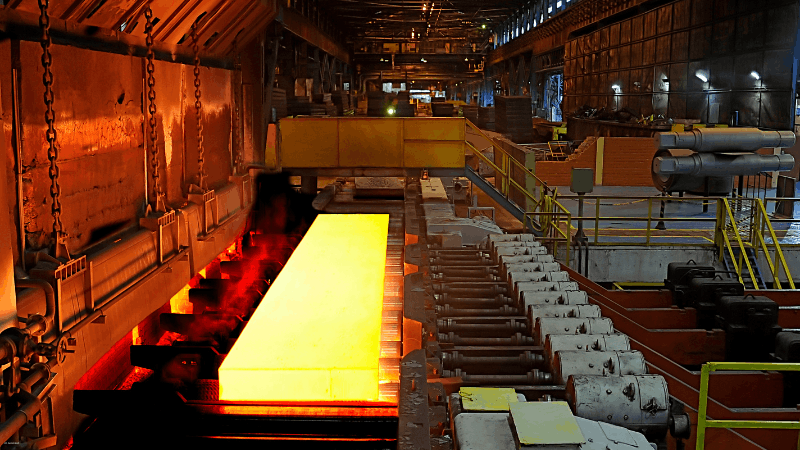
Steel manufacturing plants use immense volumes of fluid to prevent machinery from overheating and to clean raw materials. Instead of discarding this fluid after a single use, advanced factories clean the effluent so the facility can run continuously. Implementing effective steel industry wastewater treatment systems allows plants to direct purified streams back into the production line.
Industrial facilities typically divert recycled streams to several key operations:
-
Cooling blast furnaces to maintain safe operating temperatures.
-
Quenching hot slag to cool the byproduct quickly for processing.
-
Suppressing hazardous dust particles in raw material storage yards.
-
Descaling steel sheets using high-pressure spray systems.
-
Feeding low-pressure boilers after undergoing secondary purification processes.
How is water used in blast furnace cooling?
Blast furnaces generate extreme thermal energy during the ironmaking process. Circulating treated water through external cooling jackets prevents structural melting and extends equipment lifespan. Using recycled streams for blast furnace jackets saves millions of gallons of pristine drinking water daily.
How does recycled water assist in steel descaling?
High-pressure spray systems remove iron oxide layers, known as mill scale, from hot steel sheets. Recycled water must be free of large particulates to protect spray nozzles from clogging or wearing down. Cleaned process water provides the necessary force without damaging the finished metal surface.
Why Is Water Recycling Important For Cost Reduction?
This section details how recycling industrial effluent directly slashes factory operational expenses and boosts long-term profitability. Minimizing raw resource purchases and avoiding heavy discharge penalties creates significant financial advantages.
Buying raw freshwater from municipal grids is a massive expense for heavy manufacturing plants. When facilities clean and reuse their own streams, the facility slashes intake costs drastically. Furthermore, strict environmental laws fine factories that dump untreated liquids into local waterways, meaning on-site recycling prevents expensive legal penalties.
Typical financial improvements from recycling systems include:
Freshwater purchase savings: 60% Discharge penalty reduction: 85% Operational energy efficiency gains: 15%
Reducing effluent discharge also relieves the burden on local municipal treatment plants. By keeping pollutants out of rivers, steel mills indirectly support broader ocean waste management initiatives by stopping land-based pollution at the source.
How do freshwater tariffs impact operating margins?
Municipalities charge heavy industrial plants premium rates for sourcing fresh water. High consumption rates drive up the manufacturing cost per ton of steel produced. Implementing a recycling system shields the facility from rising municipal tariffs and resource scarcity.
Why do wastewater discharge penalties increase overall costs?
Environmental regulators monitor the chemical oxygen demand and heavy metal levels in factory effluent. Dumping uncleaned steel mill effluent leads to heavy regulatory fines and temporary plant shutdowns. On-site purification eliminates these financial risks while keeping the surrounding environment clean.
Steps to Optimize Water Recycling in Steel Industry Wastewater Treatment
This section outlines the strategic steps required to establish an efficient water loop within a manufacturing facility. Evaluating current waste streams and matching water qualities to specific plant needs ensures long-term operational success.
To successfully implement a closed-loop system, engineers follow a structured approach. Plants must segment different waste streams based on contamination levels rather than mixing all effluent together. This targeted separation makes the purification process far more efficient.
Key steps in this optimization process include:
-
Auditing current water use to identify where the highest volumes are consumed.
-
Separating highly toxic chemical waste from lightly soiled cooling water streams.
-
Matching the purity of treated effluent to the specific quality needs of each mill process.
-
Monitoring system performance continuously to prevent mineral scaling and equipment corrosion.
How do engineers audit factory water systems?
Engineers track the flow rates and contamination levels at every pipe entry and exit point. This comprehensive audit reveals exactly which production zones consume the most resources or produce the heaviest pollution. The data allows mills to target high-waste zones first.
Why is stream segregation vital for optimization?
Mixing toxic chemical rinse water with lightly used cooling water makes the entire volume harder to treat. Keeping these streams separate ensures that mild waste requires minimal filtration before reuse. Stream segregation significantly reduces the size and cost of the purification equipment needed.
Which Technologies Support Efficient Water Reuse?
This section highlights the advanced purification equipment used to clean heavily polluted industrial process streams. Implementing a combination of mechanical and chemical separation systems ensures high-quality reusable resources.
Steel mill effluent contains high concentrations of suspended solids, oils, heavy metals, and dissolved salts. Heavy industry relies on multi-stage purification setups to make this heavily fouled liquid safe for reuse. Combining physical separation with membrane technology provides a reliable supply of clean fluid.
Modern plants deploy several core purification technologies:
-
Clarifiers remove large suspended solids and heavy scale particles through gravity sedimentation.
-
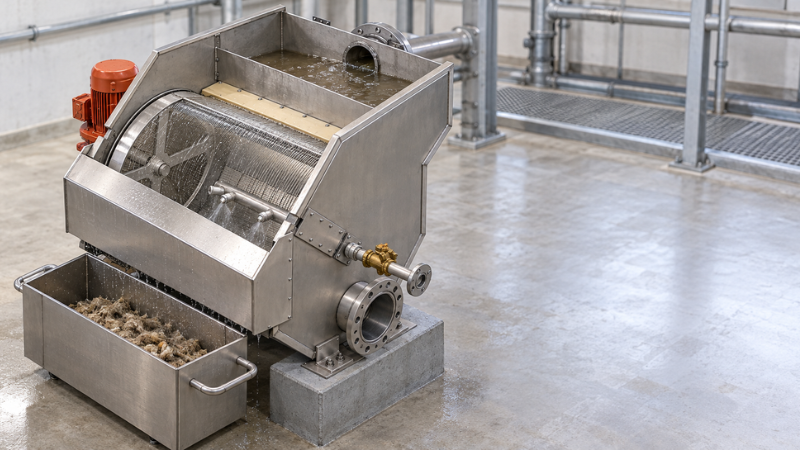
Oil skimmers separate floating oils and grease from the surface of the stream.
-
Ultrafiltration membranes filter out fine particulate matter and microscopic contaminants.
-
Reverse osmosis systems strip out dissolved salts using tight membranes to prevent scale buildup.
-
Evaporators and crystallizers achieve zero liquid discharge by turning brine into dry solids.
How do oil skimmers clean process streams?
Hydraulic fluids and rolling oils frequently leak into steel manufacturing process streams during shaping operations. Mechanical oil skimmers utilize rotating belts or tubes to lift floating oil off the water surface. Removing hydrocarbons early protects downstream filtration membranes from fouling.
Why is reverse osmosis used for industrial reuse?
Dissolved solids and mineral salts build up in cooling water as it evaporates over time. Reverse osmosis systems force the liquid through semi-permeable membranes to reject these dissolved minerals. This advanced step prevents scale formation inside expensive blast furnace cooling channels.
Conclusion
Optimizing water recycling in steel industry wastewater treatment is a critical step toward achieving sustainable and cost-effective manufacturing. By understanding how do steel plants reuse treated water?, facilities can target high-volume operations like cooling and dust suppression for recycled fluid integration. Exploring why is water recycling important for cost reduction? reveals massive savings in freshwater procurement and regulatory compliance. Finally, identifying which technologies support efficient water reuse? (such as reverse osmosis and ultrafiltration) allows mills to select the right purification setup. Implementing these advanced wastewater and water solutions protects local ecosystems and reduces the long-term operational costs of global steel manufacturing.
Frequently Asked Questions (FAQs)
Q1. How much water can a steel mill save through recycling?
A: A steel plant can recycle up to 95% of process water using a closed-loop system. This reclamation process slashes reliance on fresh municipal water, leading to massive resource preservation.
Q2. What contaminants are found in steel industry wastewater?
A: Steel manufacturing effluent contains high loads of suspended solids, mill scale, heavy metals, and hydraulic oils. Robust on-site industrial purification prevents these toxic substances from ever destroying local river ecosystems.
Q3. Can recycled water harm steel manufacturing equipment?
A: Recycled water will not harm machinery if it undergoes proper secondary and tertiary purification. Consistent water monitoring ensures the fluid meets exact quality standards for continuous industrial reuse.
Q4. Why is water recycling important for cost reduction in steel production?
A: Reusing industrial process streams saves money on fresh municipal intake fees and avoids heavy discharge penalties from environmental regulators. This keeps overall factory operational costs exceptionally low.
Q5. Which technologies support efficient water reuse in heavy manufacturing?
Advanced separation setups like ultrafiltration membranes, mechanical oil skimmers, and reverse osmosis units are vital. They guarantee that the recycled supply is completely safe for continuous factory reuse.