Miscellaneous water treatment includes specialized systems that manage diverse industrial wastewater streams that don’t fit into a single treatment category. The best solutions combine the right technology with the wastewater type, helping industries reduce operating costs, improve treatment efficiency, and comply with environmental regulations.
Small and medium industries often face unique wastewater challenges because production volumes, contaminants, and operational requirements vary significantly. Understanding the nature of different wastewater streams, selecting tailored treatment methods, and adopting efficient technologies can improve sustainability while minimizing unnecessary investment.
What Is Miscellaneous Water Treatment and Why Is It Important?
Miscellaneous water treatment refers to specialized treatment solutions designed for wastewater streams that require customized handling beyond conventional treatment systems. These solutions address contaminants such as oil, grease, suspended solids, chemicals, sludge, and floating pollutants generated across multiple industries.
Unlike standardized wastewater treatment systems, miscellaneous treatment solutions are selected according* to the specific characteristics of wastewater rather than the industry alone. This approach improves treatment efficiency while reducing unnecessary equipment and operational costs.
Common objectives of miscellaneous water treatment include:
Removing floating oil and grease.
Separating suspended solids.
Reducing sludge generation.
Improving water reuse opportunities.
Supporting regulatory compliance.
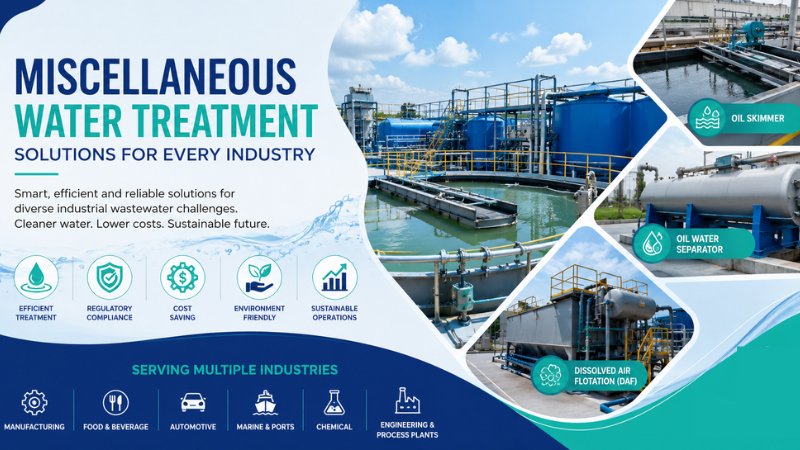
Many industries also combine miscellaneous water treatment with Oil Water Separator, Oil Skimmer, or Dissolved Air Flotation System depending on wastewater composition.
What Types of Miscellaneous Wastewater Do Different Industries Generate?
Different industries generate different wastewater characteristics. Understanding the contaminants is the first step toward selecting an effective treatment solution.
Manufacturing Industries
Manufacturing facilities often produce wastewater containing:
Cutting oils
Lubricants
Metal particles
Coolants
Cleaning chemicals
These contaminants can interfere with biological treatment systems if they are not removed beforehand.
Food Processing Industries
Food manufacturing wastewater commonly contains:
High organic loading can increase treatment costs if preliminary separation systems are not installed.
Automotive Workshops and Engineering Facilities
Automotive wastewater typically includes:
Engine oil
Hydraulic fluids
Fuel residues
Paint particles
Heavy metals
Oil-water separation becomes an important first treatment stage before further processing.
Marine and Port Facilities
Marine operations frequently generate:
Bilge water
Oily wastewater
Fuel spills
Floating debris
Dock cleaning wastewater
Effective oily water treatment is essential for protecting nearby water bodies and maintaining environmental compliance.
Chemical and Process Industries
Chemical plants may produce wastewater containing:
Solvents
Process chemicals
Floating hydrocarbons
Suspended solids
Variable pH levels
These wastewater streams usually require multiple treatment stages instead of relying on a single technology.
How Do Tailored Treatment Solutions Reduce Costs?
Tailored treatment solutions match treatment technology with the specific wastewater characteristics instead of using oversized or generalized systems. This improves treatment performance while lowering operational expenses.
Several cost-saving benefits can be achieved through customized system selection.
Reduced Energy Consumption
Selecting only the required treatment processes avoids unnecessary pumping, aeration, or chemical dosing.
Potential benefits include:
Lower electricity usage
Reduced equipment runtime
Improved process efficiency
Lower maintenance requirements
Lower Chemical Consumption
Many industries overuse treatment chemicals because the treatment process is not optimized.
Customized treatment systems can reduce chemical consumption by:
Improving contaminant separation
Removing oil before chemical treatment
Reducing sludge formation
Stabilizing treatment performance
Reduced Sludge Disposal Costs
Sludge handling represents a significant operating expense for many facilities.
Proper preliminary treatment can reduce sludge generation by removing contaminants earlier in the treatment process.
Potential improvements include:
Longer Equipment Life
Removing abrasive particles, oils, and floating contaminants before downstream treatment protects pumps, membranes, and biological treatment systems.
This reduces:
Equipment wear
Unexpected downtime
Replacement frequency
Maintenance costs
Which Technologies Offer Quick and Efficient Treatment for Diverse Needs?
No single technology can treat every type of industrial wastewater. The most effective miscellaneous water treatment systems combine multiple technologies based on contaminant type.
Oil Skimmers
Oil skimmers continuously remove floating oil from wastewater surfaces before additional treatment.
They are commonly used in:
Oil skimming reduces oil loading on downstream treatment systems and supports efficient oily water treatment.
Learn more about Oil Skimmer.
Oil Water Separators
Oil water separators separate free-floating oil from wastewater using gravity or enhanced separation methods.
They are widely applied in:
Oil-water separation often serves as the first stage of wastewater treatment.
See related information on Oil Water Separator.
Dissolved Air Flotation (DAF) Systems
DAF systems remove suspended solids, grease, and emulsified oils by attaching fine air bubbles to contaminants, causing them to float for easy removal.
Typical applications include:
Food processing
Dairy industries
Chemical manufacturing
Textile industries
Beverage production
DAF systems can achieve high removal efficiencies for suspended contaminants.
Removal efficiency:
Suspended solids: Up to 90–99%
Oil and grease: Up to 95–99%
Actual performance depends on wastewater characteristics and system design.
Explore Air Flotation System.
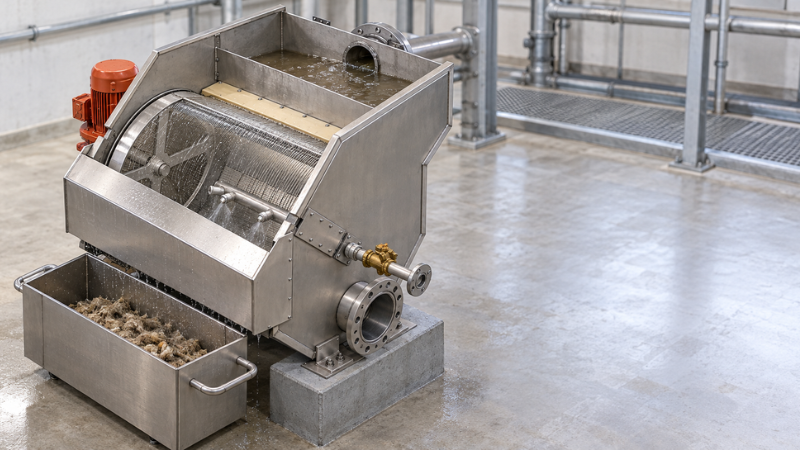
Mechanical Screening
Mechanical screens remove larger solid particles before downstream treatment.
They help prevent:
Pump blockages
Pipe clogging
Equipment damage
Increased maintenance
Mechanical screening is commonly installed at the beginning of industrial treatment systems.
Sludge Dewatering Equipment
Sludge dewatering reduces moisture content before transportation or disposal.
Common equipment includes:
Screw presses
Filter presses
Belt presses
Centrifuges
Reducing sludge volume lowers disposal costs while improving handling efficiency.
Oil Spill Response Equipment
Industrial facilities handling petroleum products should prepare for accidental oil releases.
Oil spill response equipment typically includes:
Rapid containment minimizes environmental impact and reduces cleanup costs.
How Should Industries Choose the Right Miscellaneous Water Treatment Solution?
Selecting the appropriate treatment system begins with understanding wastewater characteristics rather than purchasing the most advanced equipment.
Several factors should be evaluated before selecting a solution.
Wastewater Composition
Analyze wastewater for:
Oil concentration
Suspended solids
Organic loading
Chemical contaminants
Flow rate
Wastewater testing provides the information needed for proper technology selection.
Operational Requirements
Consider operational factors such as:
A scalable treatment system often provides better long-term value.
Environmental Compliance
Treatment systems should support compliance with applicable discharge standards established by local environmental authorities.
Industries should also consider future regulatory changes when selecting treatment technologies.
Total Cost of Ownership
Equipment purchase price represents only one part of overall treatment costs.
Evaluate:
Energy consumption
Chemical usage
Maintenance costs
Sludge disposal
Equipment lifespan
A lower total cost of ownership often delivers better long-term performance than selecting the lowest initial price.
What Are the Benefits of Combining Multiple Treatment Technologies?
Many industrial wastewater streams contain several contaminants simultaneously. Combining treatment technologies improves overall efficiency.
An integrated treatment system may include:
Mechanical screening
Oil skimming
Oil-water separation
Dissolved air flotation
Biological treatment
Sludge dewatering
This staged approach removes contaminants progressively, reducing the load on downstream equipment and improving treatment reliability.
Conclusion
Miscellaneous water treatment provides specialized solutions for industrial wastewater streams that vary in composition and treatment requirements. Selecting technologies based on wastewater characteristics rather than industry type helps improve efficiency, reduce operating costs, and extend equipment life. Oil skimmers, Oil Water Separator, Dissolved Air Flotation System, mechanical screening, sludge dewatering, and oil spill response equipment each address different treatment challenges. Understanding what types of miscellaneous wastewater different industries generate, how tailored treatment solutions reduce costs, and which technologies offer quick and efficient treatment for diverse needs enables industries to design more effective wastewater management systems while supporting long-term environmental sustainability.
FAQs
Q1. What is miscellaneous water treatment?
A: Miscellaneous water treatment refers to specialized treatment methods used for industrial wastewater streams that require customized solutions beyond conventional treatment processes. These systems help manage contaminants such as oil, grease, suspended solids, chemicals, and sludge across different industries.
Q2. What types of miscellaneous wastewater do different industries generate?
A: Different industries generate wastewater containing varying levels of oils, grease, suspended solids, chemicals, organic matter, and floating contaminants.
Q3. How do tailored treatment solutions reduce costs?
A: Tailored treatment solutions reduce costs by matching treatment technologies to the actual wastewater composition. This approach lowers energy consumption, minimizes chemical usage, reduces sludge disposal expenses, and extends the life of treatment equipment.
Q4. Which technologies offer quick and efficient treatment for diverse needs?
A: Technologies such as oil skimmers, oil water separators, dissolved air flotation systems, mechanical screening, sludge dewatering equipment, and oil spill response systems provide efficient treatment for a wide range of industrial wastewater applications. The most effective solution often combines several technologies into a single treatment process.
Q5. Why is oily water treatment important for industrial facilities?
A: Oily water treatment removes floating and free oil before wastewater enters downstream treatment systems or is discharged. Effective treatment improves regulatory compliance, protects treatment equipment, and reduces environmental risks associated with oil contamination.