In wastewater treatment plants, maintaining high effluent quality is not just a compliance requirement—it directly impacts operational efficiency, environmental safety, and long-term plant performance. One often underestimated challenge in this process is the accumulation of floating scum.
Floating scum, if not removed efficiently, can disrupt treatment processes, reduce oxygen transfer, and contaminate treated water. This is where floating scum removal systems play a critical role in ensuring consistent and high-quality effluent output.
What Causes Floating Scum In Wastewater Treatment Plants?
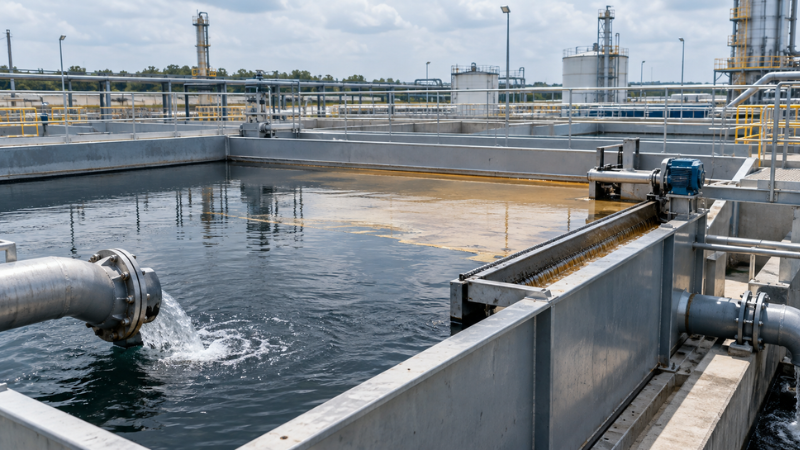
Floating scum is primarily formed due to the accumulation of lighter-than-water substances that rise to the surface during treatment.
Key Causes:
Oil and grease (FOG): Industrial discharge and domestic wastewater introduce fats, oils, and grease that naturally float.
Organic matter: Decomposing materials like food waste and biomass contribute to scum formation.
Surfactants and chemicals: Detergents and industrial chemicals reduce surface tension, allowing particles to aggregate and float.
Biological activity: Microbial processes generate gases that lift solids to the surface.
Why This Matters:
If left unmanaged, scum forms a thick layer that:
Blocks oxygen transfer in aeration tanks
Interferes with clarification processes
Leads to poor separation of solids and liquids
Basically, it turns your treatment system into a bottleneck instead of a flow machine.
How Does A Floating Scum Removal System Work?
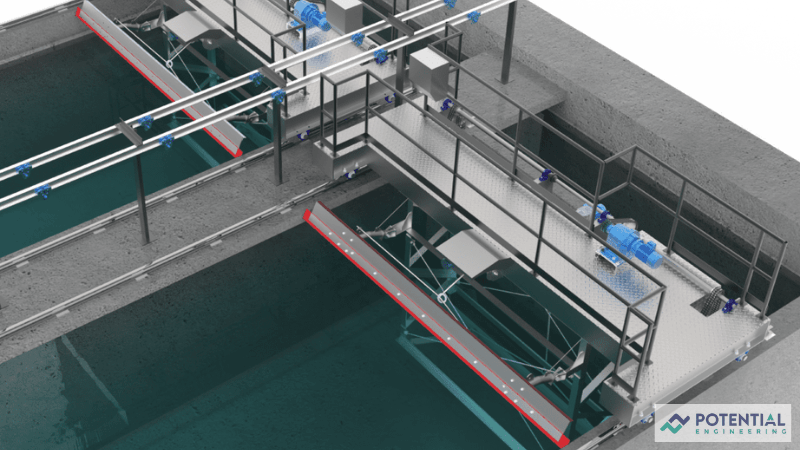
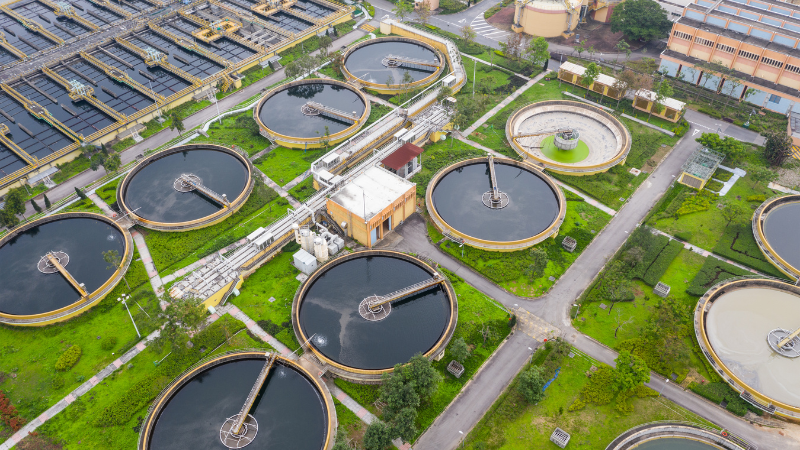
A floating scum removal system is designed to continuously or periodically remove accumulated scum from the surface of treatment units like clarifiers and aeration tanks.
Core Working Mechanism:
Collection of Scum
Concentration
Removal
Further Handling
System Types:
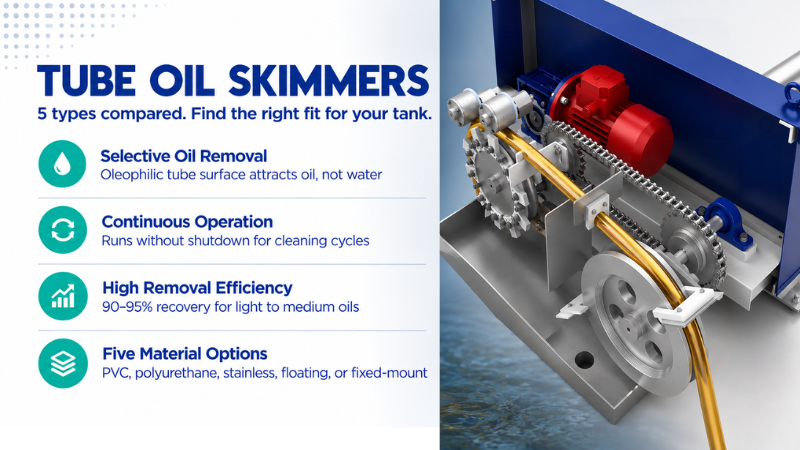
Mechanical skimmers: Rotating arms or chain-driven systems
Suction-based systems: Vacuum or pump-assisted removal
Automated systems: Integrated with sensors for real-time operation
Operational Advantage:
Instead of letting scum sit and cause chaos, the system ensures continuous removal—keeping the treatment process smooth and efficient.
Why Is Timely Scum Removal Critical For Plant Efficiency?
Here’s the truth: delaying scum removal is like ignoring a small leak—it becomes a major problem fast.
Key Impacts of Timely Removal:
1. Improves Effluent Quality
2. Enhances Biological Treatment Efficiency
3. Prevents Equipment Fouling
4. Reduces Odor and Environmental Issues
5. Supports Integrated Treatment Systems
Plants that ignore scum removal often face:
Conclusion
Floating scum may seem like a surface-level issue, but its impact runs deep across the entire treatment process. Efficient removal is essential for maintaining effluent quality, optimizing plant performance, and ensuring regulatory compliance.
By investing in a reliable floating scum removal system, wastewater treatment plants can prevent operational disruptions, improve system efficiency, and support sustainable water management practices.
Frequently Asked Questions (FAQs)
Q1. What causes floating scum in wastewater treatment plants?
A: Floating scum is mainly caused by the accumulation of fats, oils, grease (FOG), organic matter, and surfactants. Biological activity can also produce gases that lift solids to the surface, forming a scum layer in treatment tanks.
Q2. How does a floating scum removal system work?
A: A floating scum removal system works by collecting surface-level scum using skimmers or suction mechanisms, directing it to a collection zone, and removing it through pumps or scrapers. The collected material is often processed further using a floating scum removal or integrated with a sludge recovery system.
Q3. Why is timely scum removal critical for plant efficiency?
A: Timely scum removal prevents interference with oxygen transfer, improves biological treatment efficiency, and avoids contamination of treated water. It also reduces equipment clogging, minimizes maintenance costs, and ensures consistent plant performance.
Q4. What happens if floating scum is not removed regularly?
A: If not removed, floating scum can:
Reduce oxygen transfer in aeration tanks
Disrupt clarification processes
Cause foul odors
Increase operational and maintenance costs
Q5. Where are floating scum removal systems typically installed?
A: These systems are commonly installed in:
They are essential across most wastewater and water treatment setups where surface accumulation occurs.
Q6. Can floating scum removal systems be automated?
A: Yes, modern systems can be fully automated with sensors and control systems. Automation ensures continuous or scheduled removal, reducing manual intervention and improving operational reliability.
Q7. How is removed scum handled after collection?
A: Collected scum is usually transferred to sludge handling units and processed using a sludge recovery system for dewatering, disposal, or further treatment.
Q8. What are the benefits of installing a floating scum removal system?
Improved effluent quality
Enhanced treatment efficiency
Reduced maintenance and downtime
Better compliance with environmental regulations