
How Oil Skimmers Work in Marine and Industrial Environments
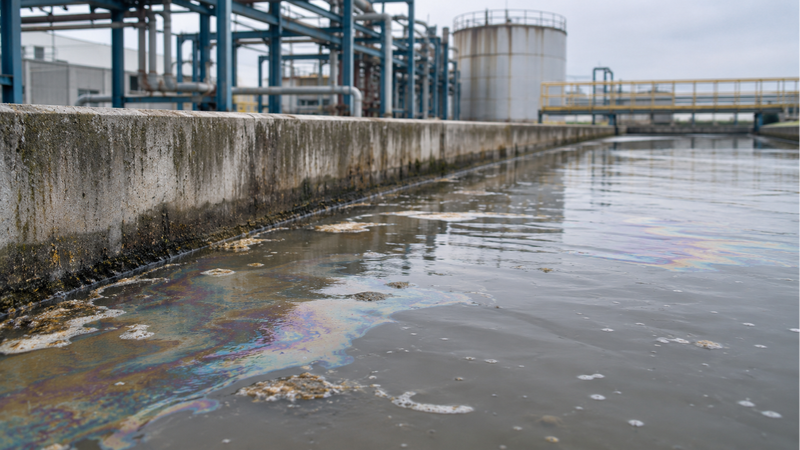
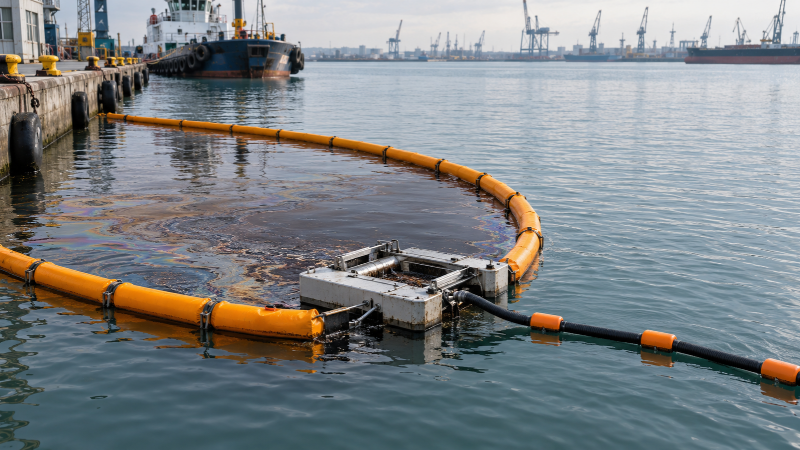
A plain-language guide to how an oil skimmer removes floating oil, comparing oleophilic and weir mechanisms, the different demands of open water and plant sumps, and the conditions that decide real recovery rates: oil viscosity, layer thickness, waves, debris and pump capacity.
Read More
Understanding the Difference Between Wastewater and Water Treatment
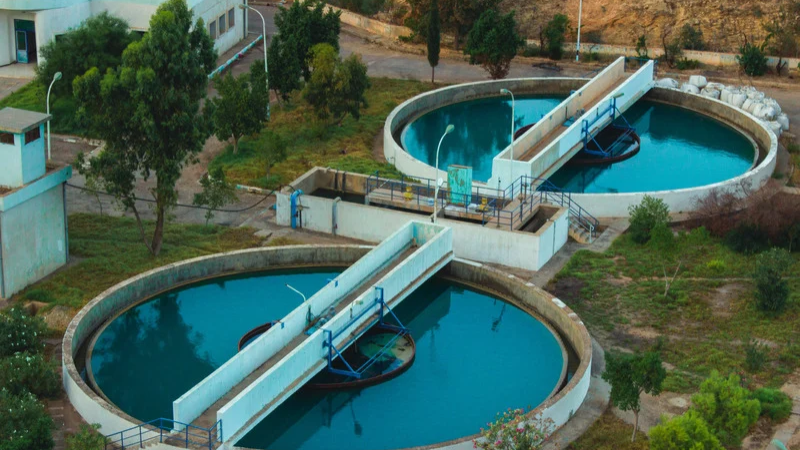
Wastewater and water treatment share some processes but solve opposite problems. This guide compares primary treatment stages, explains how industrial and municipal approaches differ, and sets out a practical way to choose the right treatment method for your discharge or supply standard.
Read More
How Chemical Water Pollution Affects Industrial Operations
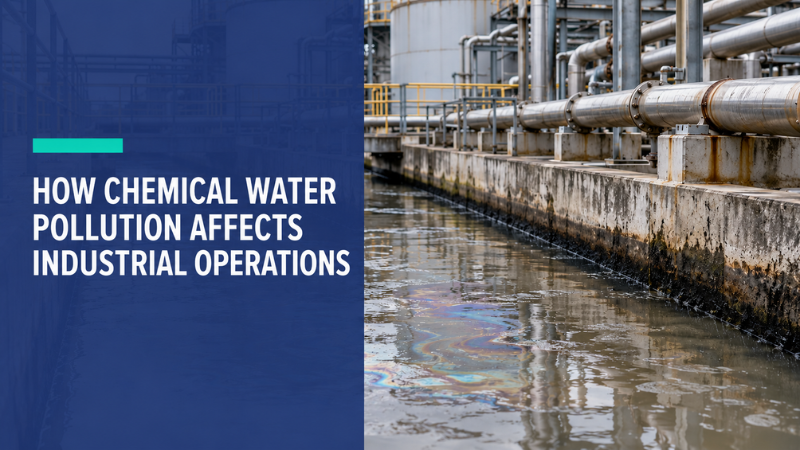
Chemical water pollution cracks stainless steel, eats concrete, and fouls pumps long before effluent reaches the outfall. This guide covers the contaminants that matter, how they damage equipment, why persistent ones become long-term liabilities, and what discharge standards require of industrial operators today.
Read More
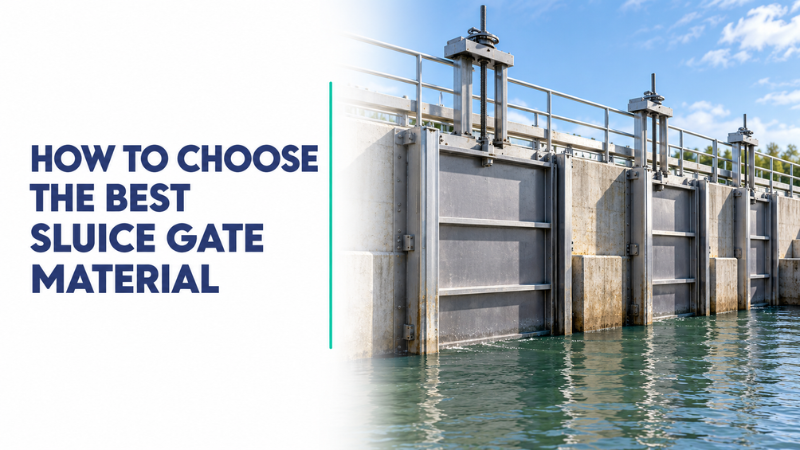
How to Choose the Best Sluice Gate Material
Cast iron or stainless steel? This guide compares sluice gate materials on durability, chloride corrosion limits and life-cycle cost, with clear thresholds for 304L, 316L and duplex grades, and the effluent data you need before specifying a gate for municipal, marine or chemical service.
Read More
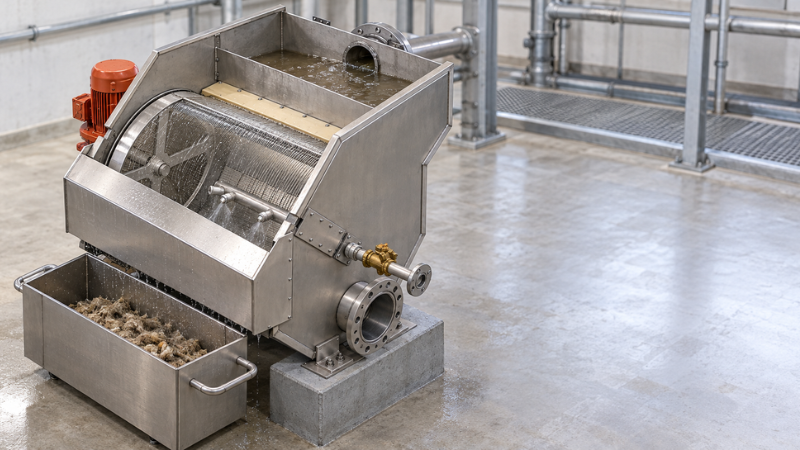
How Rotary Screens Improve Solids Removal in Industries
Rotary screens remove fine suspended solids from industrial and municipal wastewater in a compact, self-cleaning unit. This guide explains how internally and externally fed designs work, how to choose the screen opening, where food, dairy, sugar and chemical plants use them, and which maintenance checks prevent blinding.
Read More
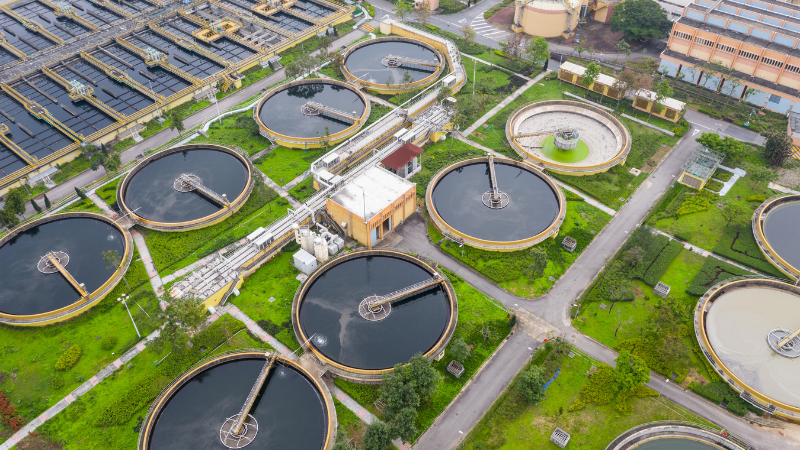
7 Key Stages in Wastewater and Water Treatment Systems
A stage-by-stage breakdown of wastewater and water treatment, from bar screens and grit chambers through biological treatment to tertiary polishing and disinfection. Includes removal efficiencies, discharge standards, and where oil and grease separation belongs in the sequence to avoid foaming and compliance failures downstream.
Read More
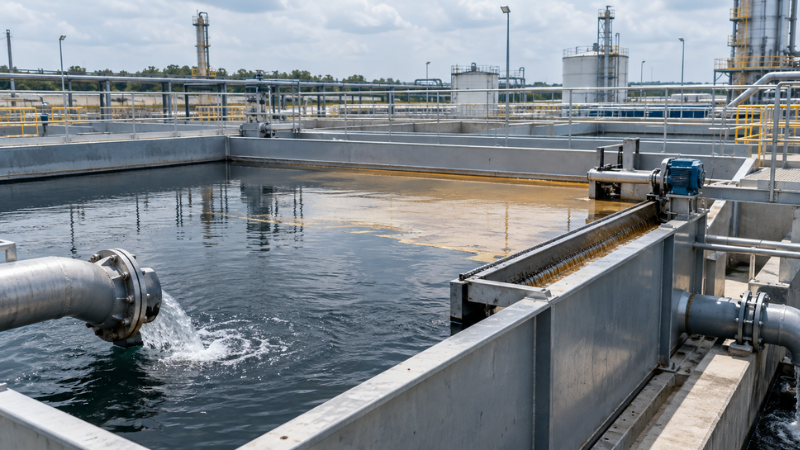
How API Oil Water Separators Protect Industrial Facilities
Curious how oil water separators keep industrial wastewater compliant with discharge regulations? This guide breaks down API design standards, gravity-based separation principles, common industrial applications across sectors, and the operating factors — from droplet size to routine maintenance — that determine long-term separator performance and reliability.
Read More
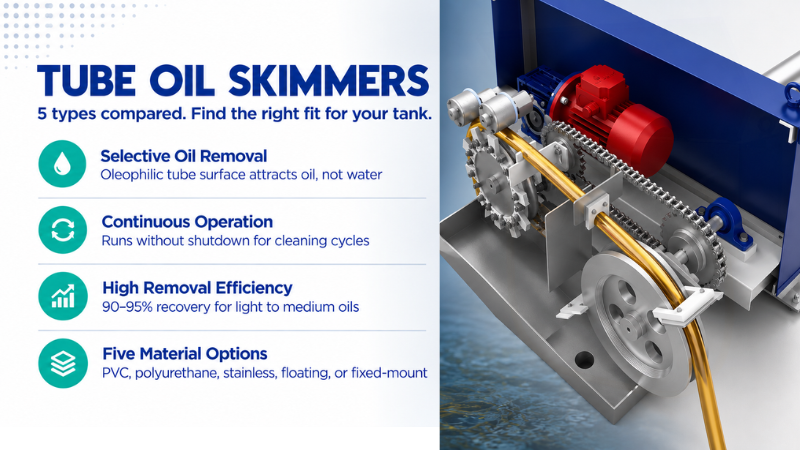
5 Types of Tube Oil Skimmers for Industrial Use
A floating oleophilic tube follows the water level and lifts oil off industrial tanks. This guide explains how tube oil skimmers work, which tube grades and body materials suit hot, corrosive, or hazardous sites, and how to choose between five common configurations.
Read More
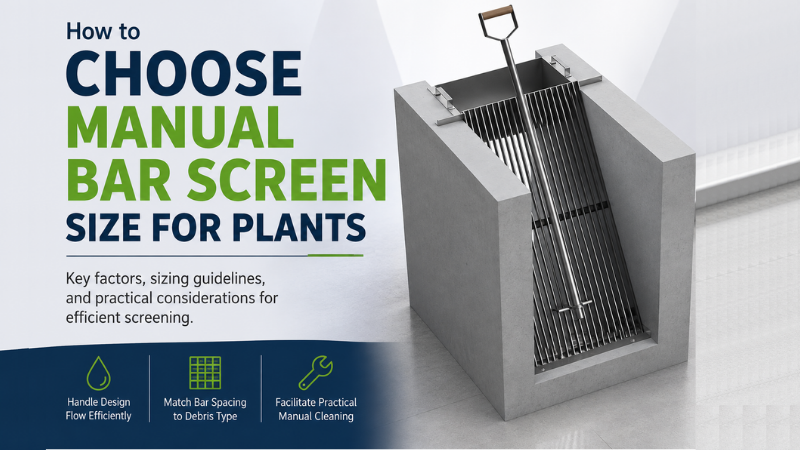
How to Choose Manual Bar Screen Size for Plants
Learn how to size a manual bar screen using flow rate, channel width, debris characteristics, bar spacing, headloss, and maintenance needs. This guide explains the key design considerations and practical trade-offs that help plants balance hydraulic capacity, solids removal, installation constraints, and manual cleaning requirements.
Read More
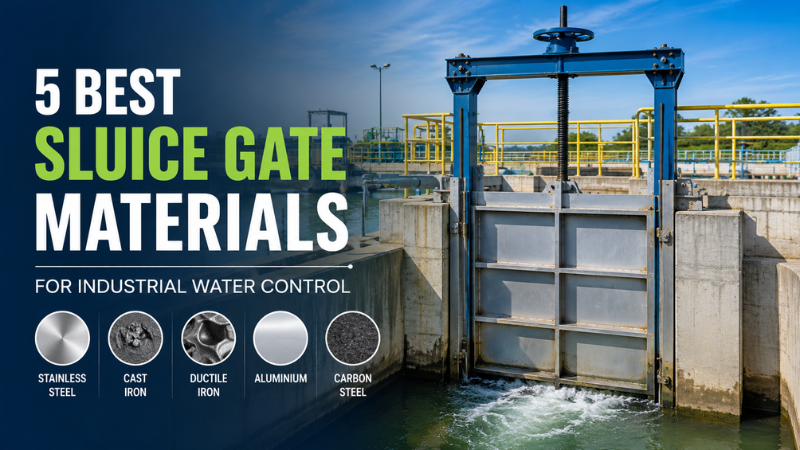
5 Best Sluice Gate Materials for Industrial Water Control
Learn how to select the right sluice gate material for industrial water control. This guide compares stainless steel, cast iron, ductile iron, aluminium, and carbon steel based on durability, corrosion resistance, mechanical strength, maintenance needs, and long-term lifecycle cost.
Read More